The Department of Defense (DoD) and the Office of Personnel Management have initiated a new program, "War Force," aiming to recruit hundreds of highly skilled software engineers for two-year assignments within the Pentagon. This specialized initiative seeks to infuse critical technical expertise directly into military operations, accelerating the integration of advanced digital capabilities across the defense apparatus. The program specifically targets talent proficient in artificial intelligence, aligning with the DoD's strategic push for AI adoption.
This focused effort underscores a broader recognition within national security circles regarding the imperative to bridge the technological gap with both peer competitors and the commercial sector. The ability to rapidly develop and deploy cutting-edge software and AI solutions is increasingly viewed as a cornerstone of modern strategic advantage and deterrence in a digitally transforming global landscape.
WASHINGTON — Seeking an infusion of fresh tech talent, the Pentagon and the Office of Personnel Management are launching a program they’re calling War Force to hire hundreds of “exceptional software engineers” for two-year stints in the Defense Department, the two agencies announced this morning.
War Force builds on the government-wide Tech Force program, which seeks to hire at least a thousand “elite” engineers for two-year tours with a variety of agencies, including Defense. But War Force will be dedicated solely to DoD. The hundreds of engineers it aims to hire will be in addition to Tech Force’s 1,000, a defense official clarified.
“The plan is to hire hundreds and to embed them all the way down to the unit level, in some cases,” the defense official told Breaking Defense.
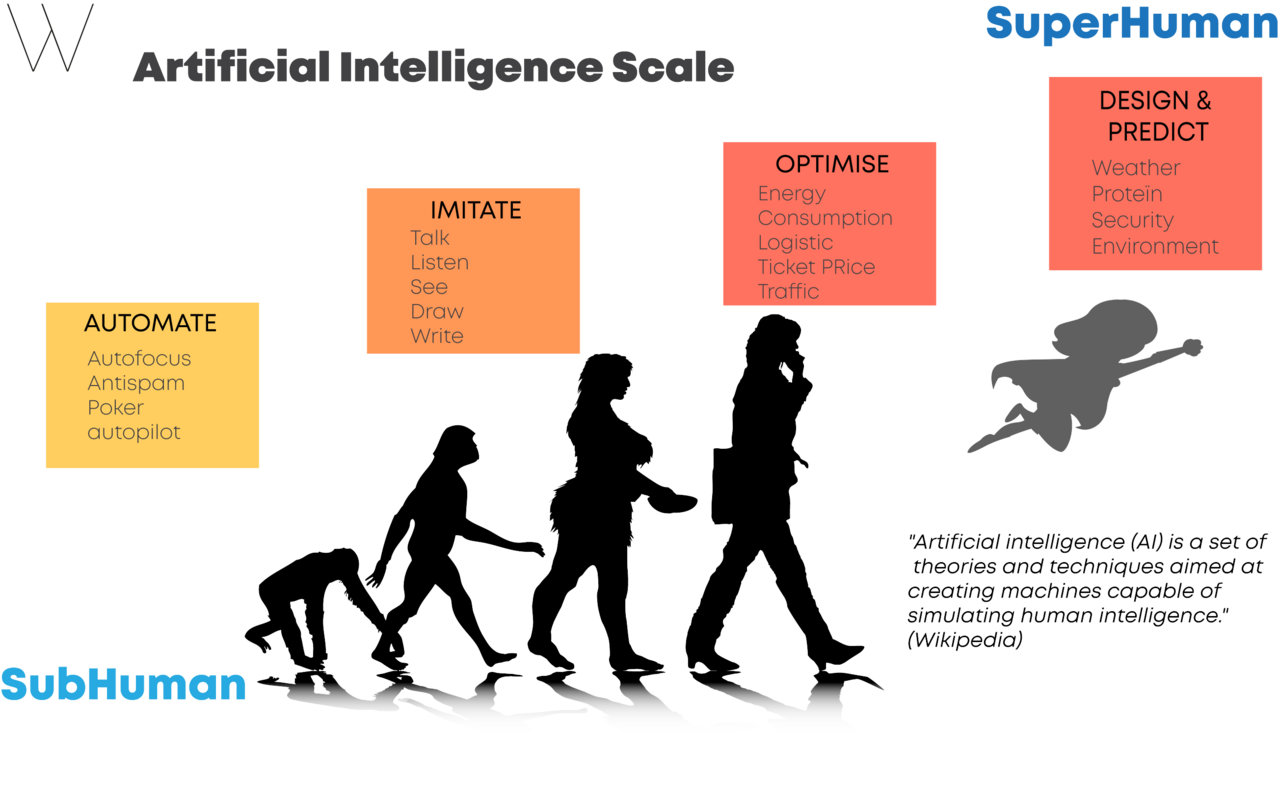
The War Force program will emphasize skills in artificial intelligence and be of particular interest to the Pentagon’s Chief Digital & AI Office (CDAO). “As you could imagine, CDAO is using this initiative extensively, as many of the engineers being recruited will act on the Department’s AI Acceleration Plan,” the official explained.
Specifics on War Force are still sparse. But it is supposed to be similar to the existing Tech Force program — announced in December and still ramping up — which offers $150,000 to $200,000 per year for an initial two-year term. After that, Tech Force hires may either remain in federal service or go to the private sector, with a long list of participating companies promising unspecified “paths” for program alumni to find post-government jobs.
Participating federal agencies can impose their own criteria for specific jobs, the Tech Force website says, but for the program overall, “no fixed amount of work experience is required” and “a traditional degree is not required.”
Editorial Analysis
The establishment of the "War Force" program represents a critical acknowledgment of the strategic imperative to democratize advanced technical capabilities throughout the DoD, moving beyond traditional centralized development models. By embedding software engineers, particularly those with AI expertise, down to the unit level, the Pentagon aims to accelerate the deployment of intelligent systems and fortify its digital infrastructure against sophisticated threats. This proactive recruitment directly supports the Chief Digital & AI Office's (CDAO) objectives, aiming to transform data into actionable intelligence and automate critical defense functions, thereby affecting everything from logistics to targeting and cyber warfare operations.
Historically, government agencies have struggled to compete with the private sector for top-tier technical talent due to bureaucratic hurdles and compensation disparities. This new program, with its attractive compensation and flexible hiring criteria, signals a concerted effort to overcome these challenges and cultivate a dynamic, tech-savvy workforce. The emphasis on two-year tours also reflects a pragmatic approach, leveraging private sector talent for defined periods, while potentially creating a future pipeline of defense-aware technologists. This initiative aligns with the long-term trend of military organizations seeking to integrate commercial-off-the-shelf (COTS) and rapidly developed software solutions to maintain a technological edge in an era of accelerating digital competition.