Army's MV-75 Cheyenne II: New Tiltrotor Demands Aerial Refueling Overhaul
The U.S. Army is on the cusp of a revolutionary change in aviation with the MV-75 Cheyenne II, a new tiltrotor aircraft poised to redefine speed, range, and lift capabilities far beyond the UH-60 Black Hawk. This significant leap in performance, however, introduces a critical operational challenge: an immediate need for a robust and dedicated aerial refueling infrastructure to fully leverage the Cheyenne II's extended operational reach. The platform's unprecedented speed also demands a reevaluation of established combat doctrines, particularly concerning coordinated operations with slower assets like the AH-64 Apache.
- The MV-75 Cheyenne II tiltrotor offers superior speed, range, and lift capacity, significantly surpassing the UH-60 Black Hawk.
- Its advanced capabilities necessitate the Army to develop a dedicated aerial refueling solution, potentially a drone tanker, to support its extended range.
- The MV-75's high speed creates tactical challenges for existing slower escort aircraft like the AH-64 Apache, requiring new operational strategies.
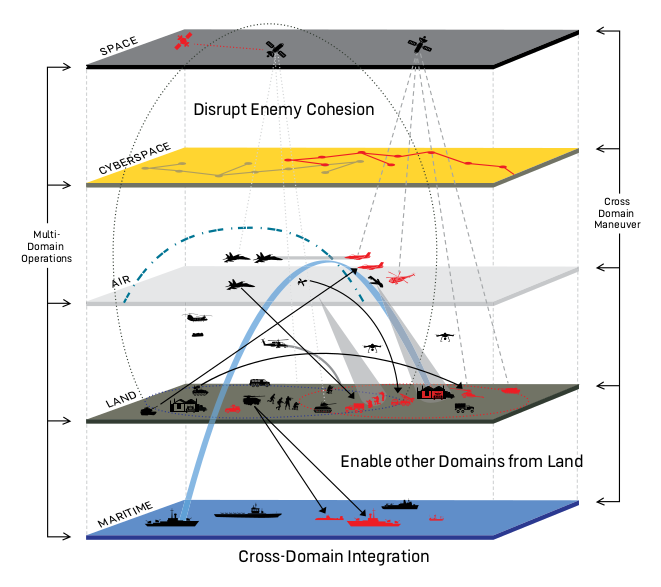
Why this matters: The MV-75 Cheyenne II's integration will fundamentally reshape Army aviation doctrine, procurement, and logistical infrastructure, impacting future multi-domain operations.
The MV-75's emergence underscores a growing trend in military aviation towards higher performance platforms that inherently stress existing logistical and tactical frameworks. The necessity of a dedicated drone tanker solution highlights the evolving landscape of aerial logistics, pushing for autonomous support systems to enable next-generation capabilities. Furthermore, the tactical dilemma presented by the Cheyenne II's speed forces a broader discussion on multi-speed force integration, potentially accelerating the development of new high-speed escort platforms or novel AI-driven coordination strategies for combined arms operations.