OSINT & Intelligence
28 articles · Coverage updated continuously

Presidential decree has placed a director of federal housing finance at the helm of U.S. national intelligence, marking an unprecedented departure from traditional appointments for this pivotal role. The incoming acting Director of National Intelligence (DNI) will oversee the integration and coordination of the nation's diverse intelligence apparatus, comprising eighteen distinct agencies. This unexpected selection immediately raises questions about leadership continuity and the strategic direction of America's intelligence community. Such a choice unfolds against a backdrop of escalating global instability, from heightened geopolitical tensions in the Middle East to persistent cyber threats targeting critical infrastructure. The integrity and objectivity of intelligence assessments are paramount in guiding national security decisions during these complex times, making the qualifications of the DNI particularly scrutinized.

A bipartisan group of lawmakers has revealed that adversaries are actively exploiting commercially available location data to target U.S. servicemembers in war zones. This critical vulnerability, stemming from data brokers selling personal information including cell phone location, represents a severe counterintelligence and force protection threat that the Pentagon has been slow to address. U.S. Central Command has already documented multiple instances of adversaries leveraging this easily acquired data for surveillance and targeting of personnel in theater. This persistent issue underscores the profound challenge of safeguarding military personnel in an increasingly data-saturated world, where individual digital footprints can be weaponized. The proliferation of personal data collection by commercial entities, combined with the accessibility of this information, creates a fertile ground for sophisticated intelligence gathering by state and non-state actors, profoundly impacting operational security.
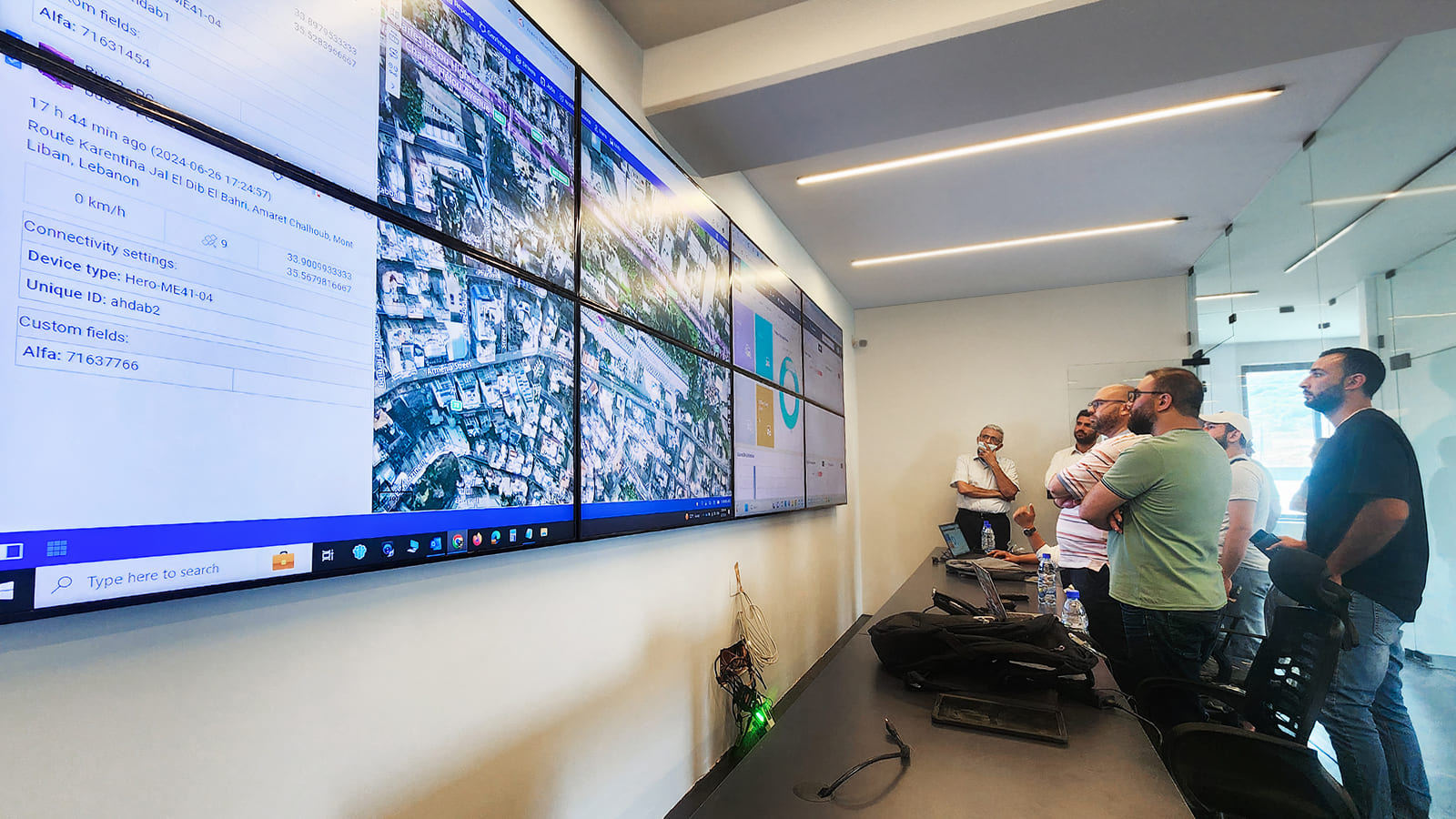
US military officials have officially confirmed that deployed personnel have been targeted by adversaries leveraging commercially available location data, underscoring a critical vulnerability arising from the global surveillance economy. This marks the first formal acknowledgment of such exploitation in active theaters, signaling a dangerous evolution in how hostile actors gather intelligence. The U.S. Central Command specifically reported multiple instances of adversaries utilizing this data to surveil or target personnel within its area of responsibility, indicating a sophisticated and pervasive threat. This development highlights the escalating national security implications of the ubiquitous commercial data trade, transitioning what was primarily a privacy concern into a direct operational hazard for military forces. It reshapes the strategic environment by demonstrating how civilian technology supply chains can inadvertently become conduits for adversary intelligence operations, demanding urgent reevaluation of digital security protocols.
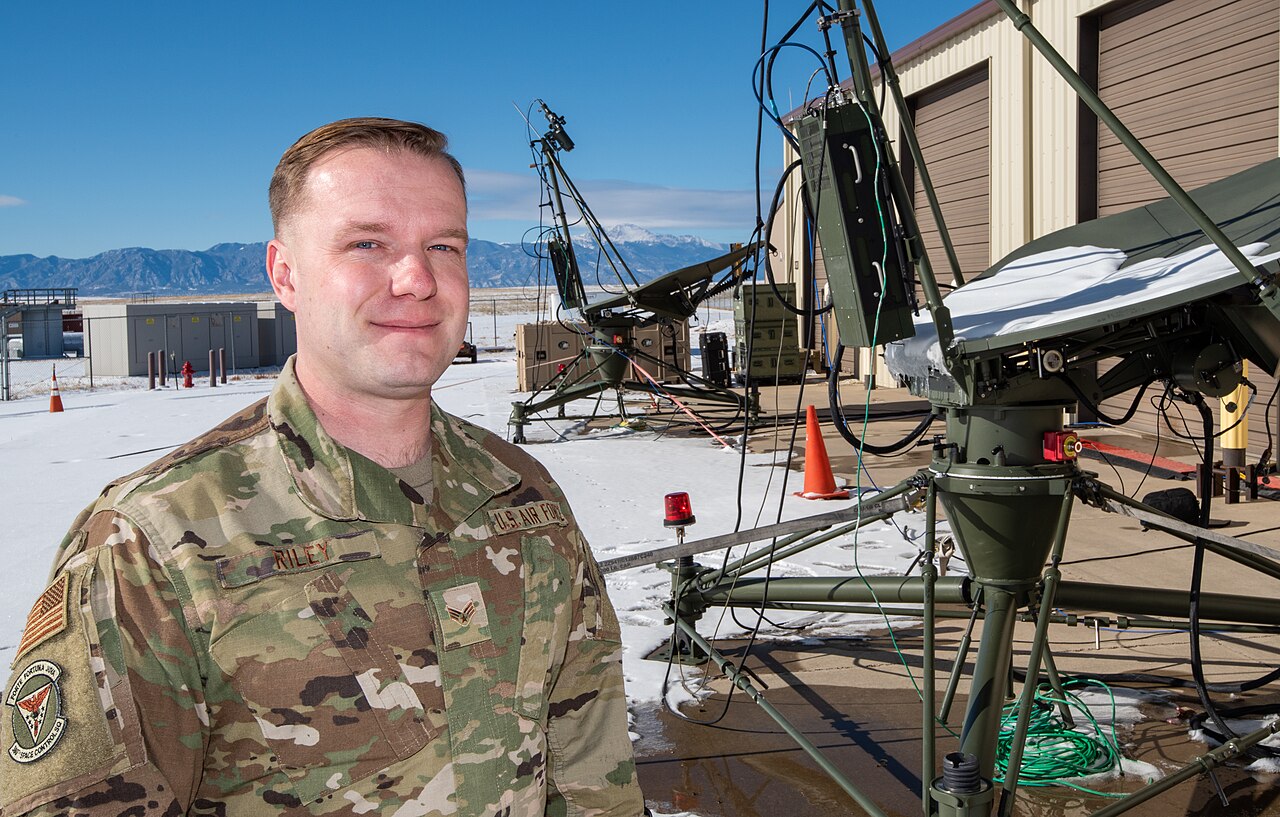
Groundbreaking research reveals a novel method for human identification leveraging common Wi-Fi signals present in almost every environment. This technique, known as Wi-Fi sensing, transcends traditional network analysis by interpreting how radio waves interact with individuals. It transforms everyday wireless infrastructure into a potential tool for detailed environmental and human presence mapping.

Open-source intelligence has illuminated a series of deadly landslides impacting coltan mining operations in the Democratic Republic of Congo's M23-controlled territories. These incidents, reportedly claiming hundreds of lives since the beginning of 2026, highlight the severe human cost of mineral extraction in a volatile conflict zone where information is tightly controlled and access restricted.

Despite a recent ceasefire agreement, satellite imagery reveals extensive and ongoing destruction across numerous towns and villages in southern Lebanon. This analysis highlights significant changes in the landscape near the border zone, with much of the obliteration occurring over the past few weeks, even as military operations have formally paused.

The nation's intelligence apparatus faces a significant leadership transition as Director of National Intelligence Tulsi Gabbard announced her imminent departure. Citing a critical family health matter, her resignation comes after a contentious 16-month period marked by efforts to realign the intelligence community with the administration's strategic vision.

Former President Donald Trump recently disclosed a candid dialogue with Chinese President Xi Jinping regarding reciprocal state-sponsored cyber intrusions and espionage efforts. This unusual public acknowledgment by a former US leader offers a rare glimpse into the usually covert world of intelligence operations, suggesting a potential shift in how such sensitive issues are discussed at the highest diplomatic levels.

A collaborative investigation has revealed a Colombian political figure's ties to an extremist Active Club group. This research, drawing on open-source intelligence, highlights a public display where individuals associated with the group replaced existing street art with their own imagery, including a symbol linked to the politician. The incident raises significant concerns about the infiltration of far-right ideologies into political spheres in the region.

NATO's top intelligence policy officer has issued a stark warning regarding the pressing need for common policies and data standards to manage the growing use of AI-enhanced geospatial intelligence (GEOINT). This urgency stems from the potential for conflicting intelligence reports among allied commanders, posing significant interoperability challenges that could undermine operational effectiveness. The alliance faces a critical three-year window to establish these frameworks before technology outpaces governance.

The National Reconnaissance Office (NRO) has significantly expanded its commercial intelligence, surveillance, and reconnaissance (ISR) capabilities by awarding three new contracts for advanced satellite data. These agreements introduce new providers for electro-optical, radio frequency geo-location, and hyperspectral imagery, diversifying the agency's data acquisition under its innovative Commercial Solutions Opening (CSO) vehicle.
A centuries-old diplomatic letter from a Spanish envoy, rediscovered in 1860, has finally been decrypted, unlocking historical intelligence that sheds new light on late medieval Britain and Spanish diplomacy. This complex cipher, which stumped historians and cryptographers for over a century and a half, now offers unprecedented insights into a pivotal period of European history. The successful decryption marks a significant achievement in historical intelligence gathering.