Military & Defense
451 articles · Coverage updated continuously
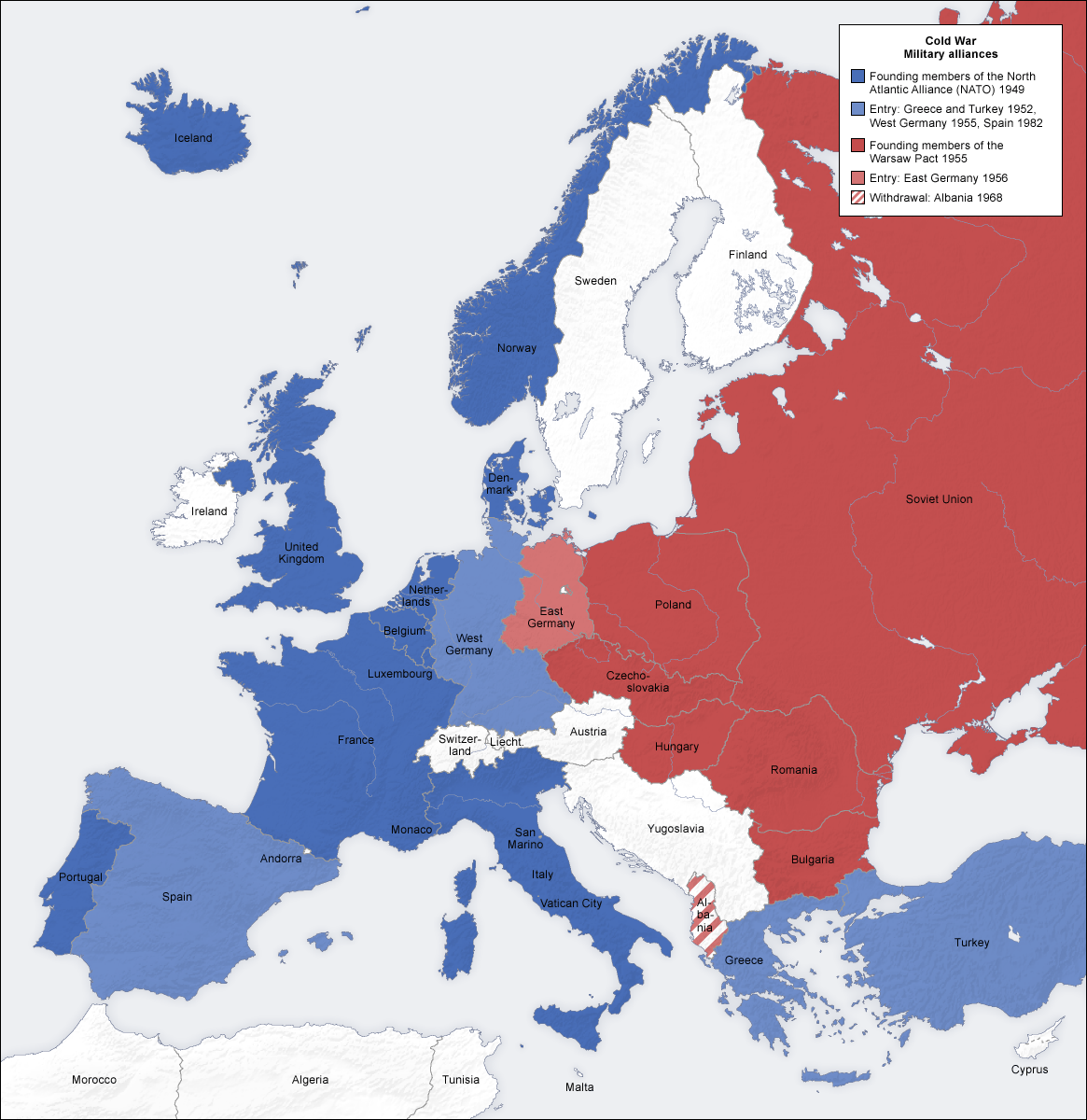
A senior U.S. official has significantly questioned the strategic utility of the North Atlantic Treaty Organization for Washington, citing allies' refusal to grant base access during a recent U.S. military operation. This reevaluation by Secretary Rubio, articulated following discussions with foreign ministers, underscores deepening strains within the alliance as a pivotal summit approaches.

A bipartisan contingent of US Senators has embarked on a strategic tour of the High North, aiming to reinforce American alliances and assess vital capabilities in a region increasingly critical for global security. This high-level visit underscores Washington's commitment to its Arctic partners amidst a deepening geopolitical contest for influence and resources.

Turkey's latest flagship military exercise, EFES-2026, has concluded, marking significant firsts with the unprecedented participation of both Libyan and Syrian forces on foreign soil. This engagement highlights Ankara’s strategic efforts to deepen military cooperation and solidify its influence across critical regional flashpoints, signaling evolving geopolitical dynamics.
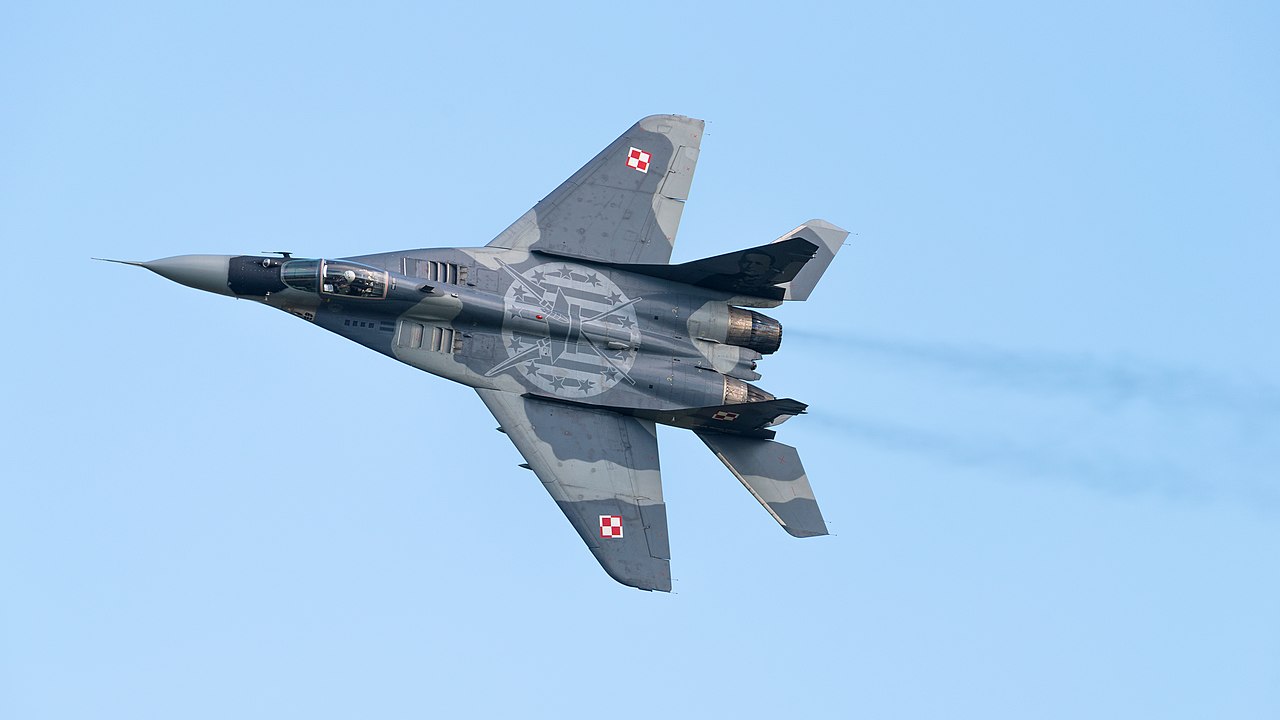
A recent congressional analysis has brought to light the extensive toll on U.S. air assets during Operation Epic Fury, detailing the loss or damage of a substantial number of American aircraft. This non-classified assessment provides the most comprehensive public overview to date of the 40-day conflict with Iran, which began in late February.

A prominent annual aviation event in the United Kingdom has been called off, directly attributing the decision to heightened regional instability in the Middle East. This strategic move highlights the increasing operational demands placed on critical military infrastructure, specifically affecting the Royal Air Force's Fairford base.
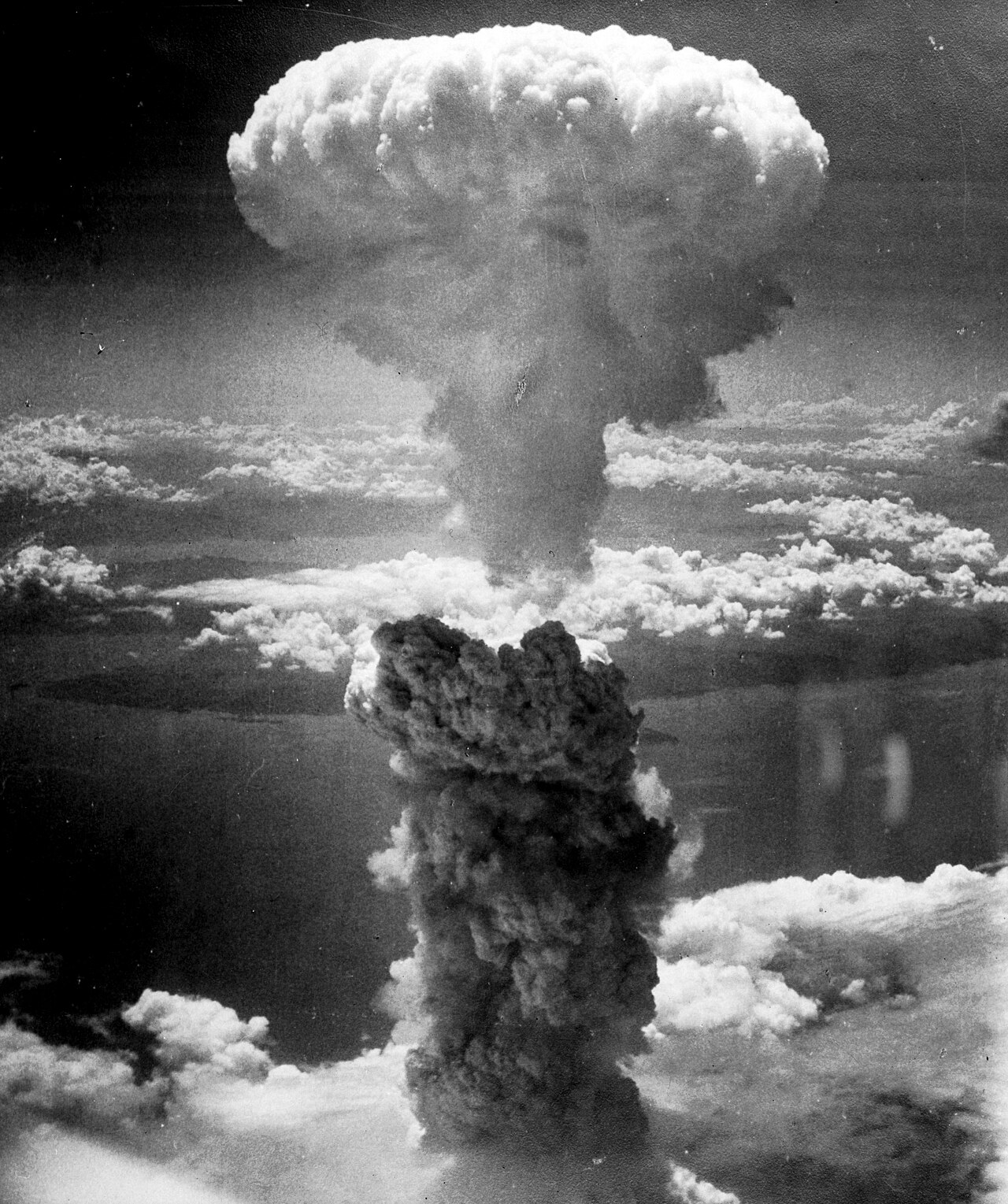
A senior European diplomat recently issued a stark warning regarding Russia's nuclear capabilities, asserting that they pose a substantial direct threat to urban centers across the United States. Speaking at a key alliance gathering, Norway's Foreign Minister underscored the indispensable role of a unified transatlantic partnership in mitigating this severe strategic risk.
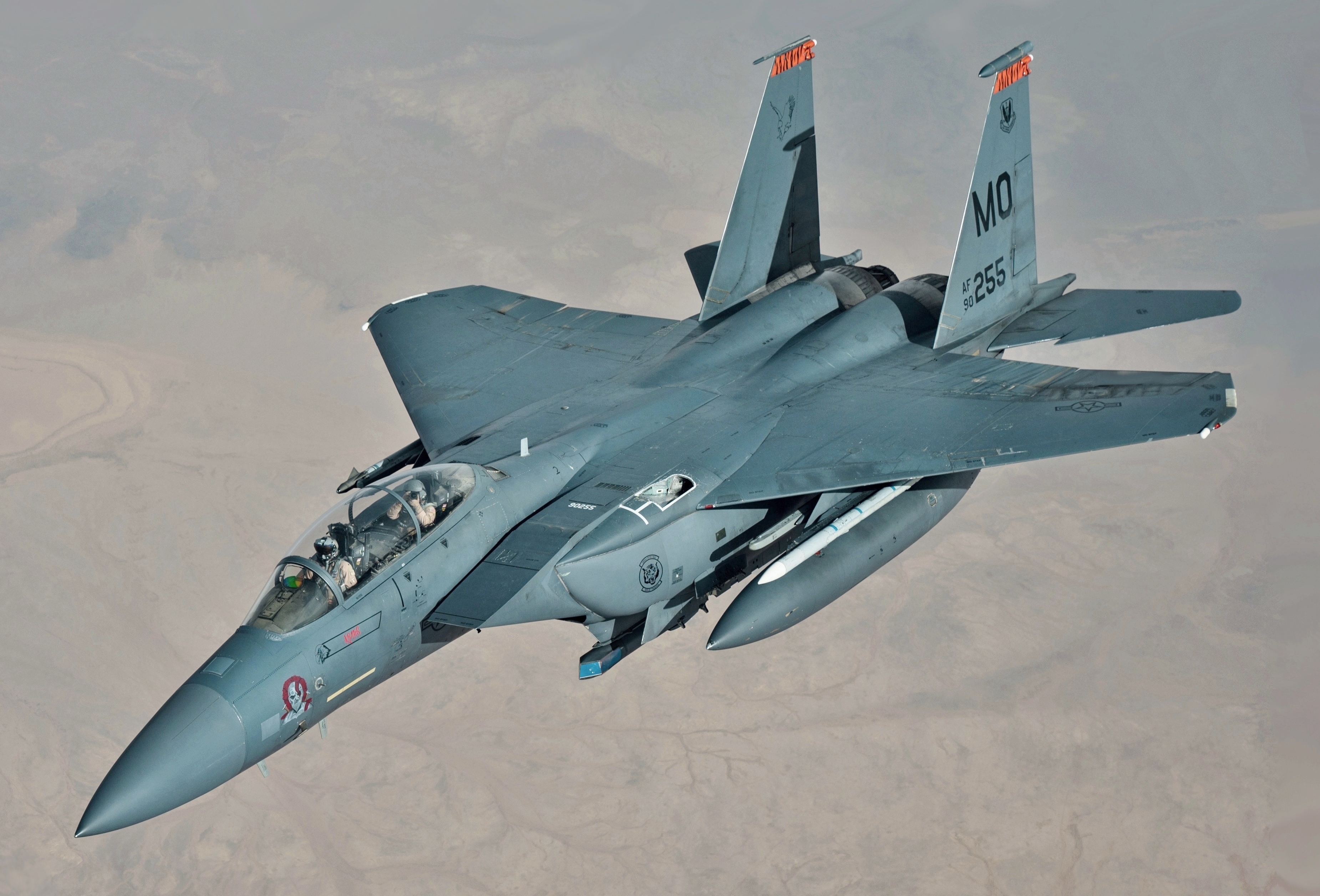
The F-35B Lightning II has successfully completed its initial flight test carrying the British SPEAR 3 miniature cruise missile, marking a significant step in enhancing the UK's advanced strike capabilities. This development promises to significantly augment the F-35B's stand-off precision strike arsenal, bolstering its operational flexibility.

Amid impending aircraft retirements, Senator Ted Budd is spearheading legislative efforts to fortify U.S. airpower capabilities and bolster pilot retention. His comprehensive plan addresses crucial aspects of military aviation personnel and the industrial base supporting these operations.
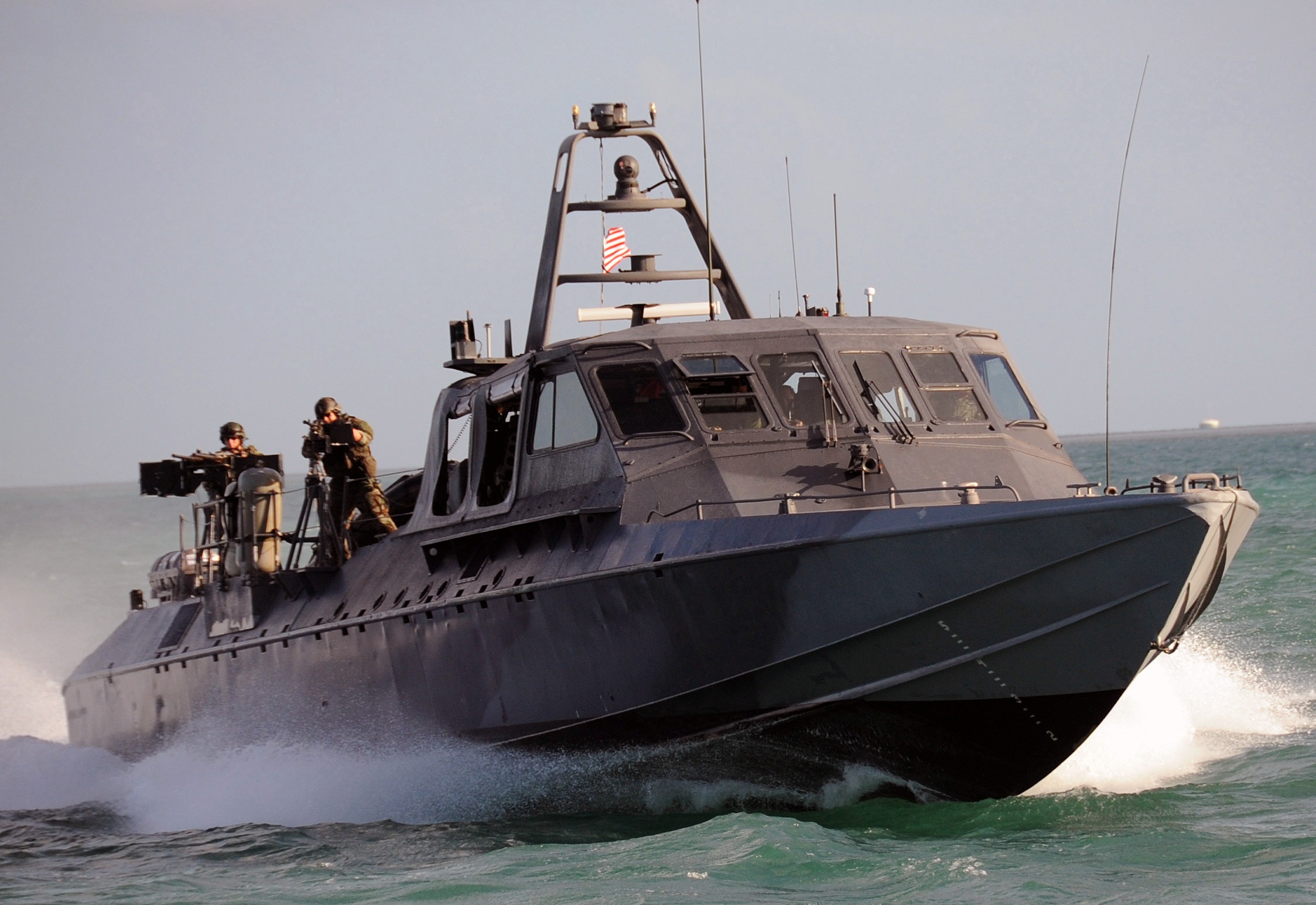
U.S. special operations aviation is embarking on a significant modernization initiative, aiming to equip its helicopter fleet with advanced capabilities for future discreet and efficient missions. This strategic evolution emphasizes reducing the operational footprint and enhancing stealth for critical deployments, building on lessons learned from past large-scale operations.

A significant policy evolution is unfolding across European Union member states, shifting strategic priorities from globalized efficiency to national resilience and operational independence. While strategic discussions and funding frameworks gain traction, a critical imperative for true technological and defense sovereignty remains largely underaddressed: the indispensable need for robust physical infrastructure.
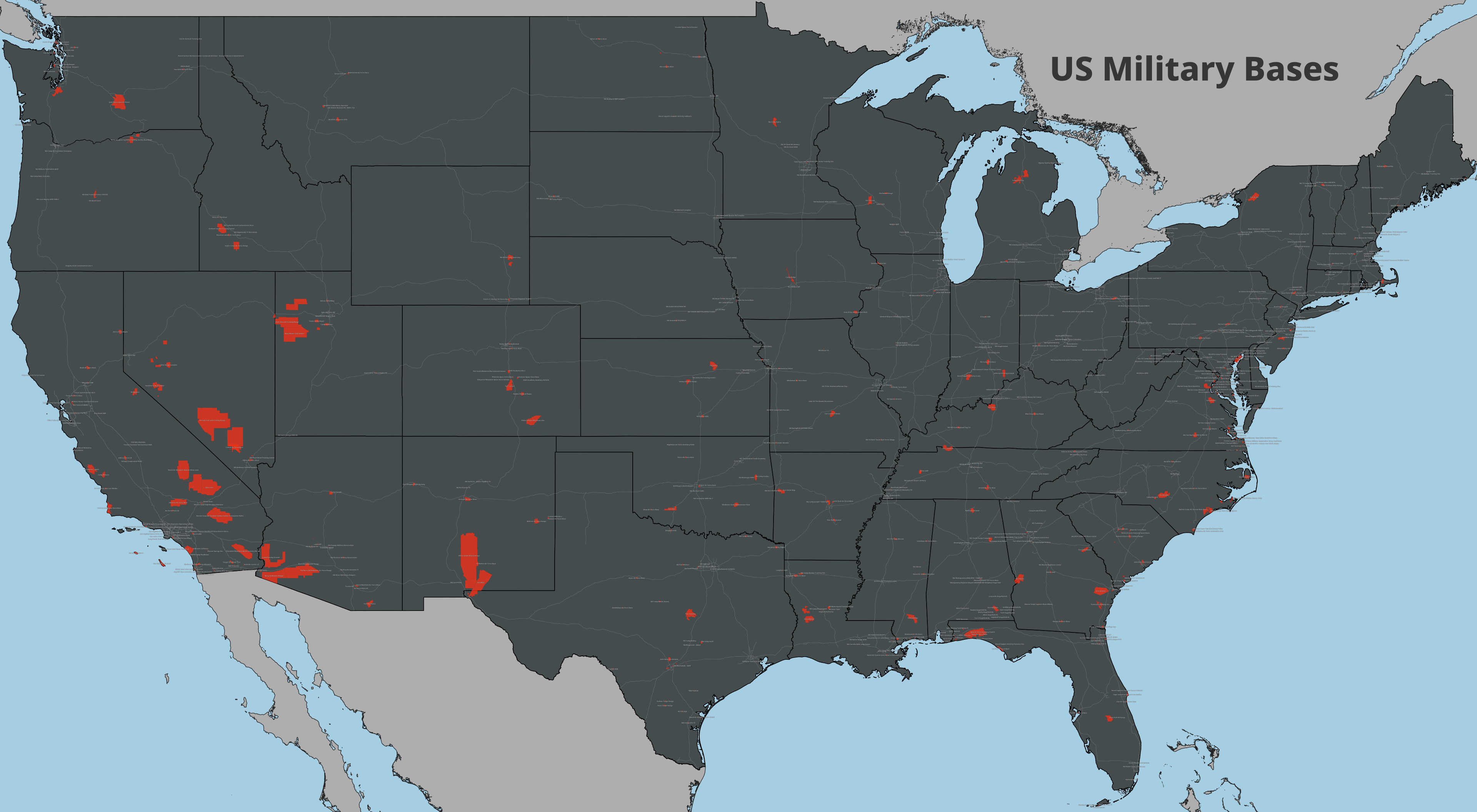
The United States anticipates further reductions in its military footprint across Europe, a move confirmed by the alliance's top military commander for the region. This strategic shift reflects a concerted effort by European NATO partners to enhance their own conventional defense capabilities, allowing Washington to reallocate resources while focusing on unique contributions.
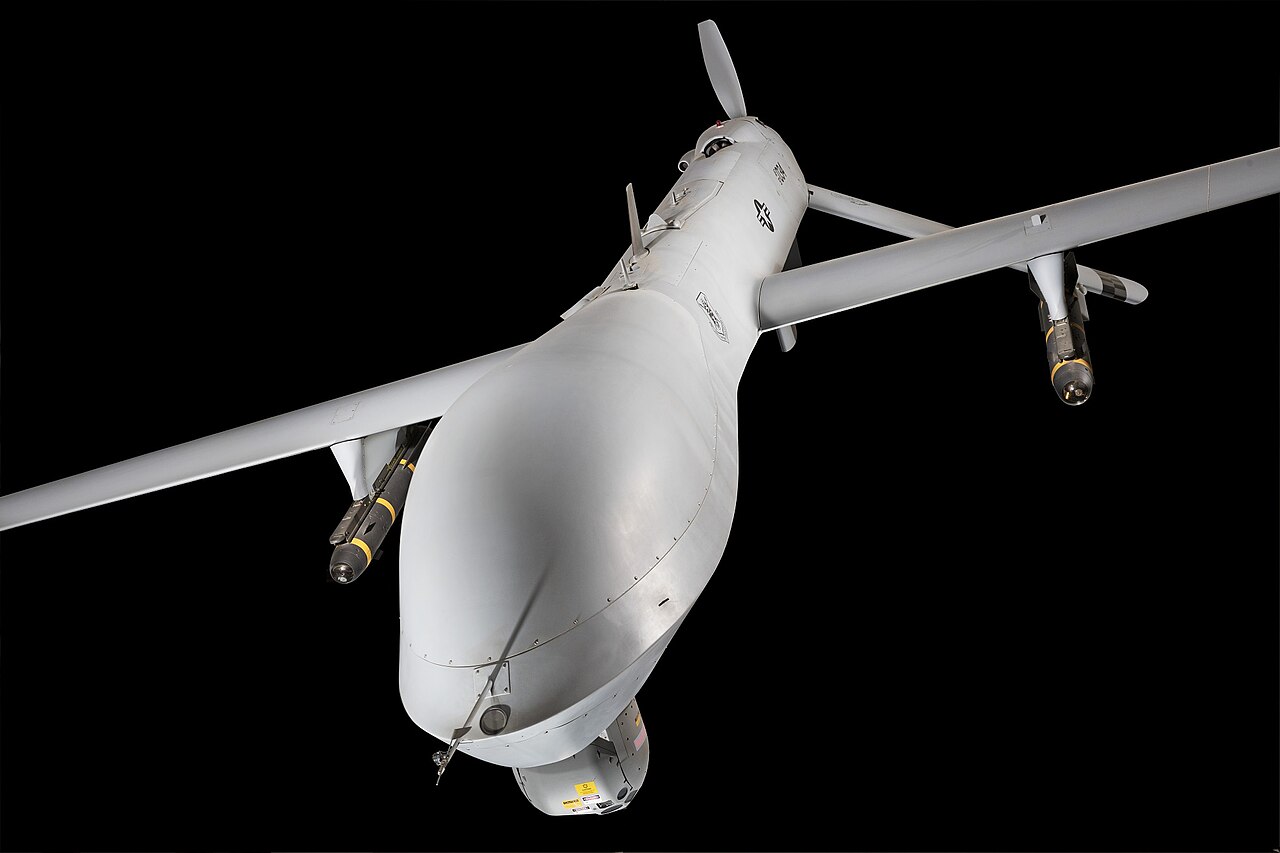
Recent operational deployments have underscored the critical role of unmanned aerial systems in modern warfare, with Air Force leadership acknowledging their indispensable contributions. Yet, this strategic recognition appears to starkly contrast with the service's current fiscal priorities, raising questions about the pace of future force modernization. This divergence suggests a significant challenge in translating doctrinal shifts into tangible investment.