Military & Defense
451 articles · Coverage updated continuously
Congressional skepticism is mounting over the Navy's next-generation battleship program, with the House Armed Services Committee moving to block construction contract awards until detailed design specifications and technology readiness levels are thoroughly demonstrated. This legislative push underscores a broader concern about the immense financial commitment and the integration of unproven combat systems into a future fleet cornerstone.

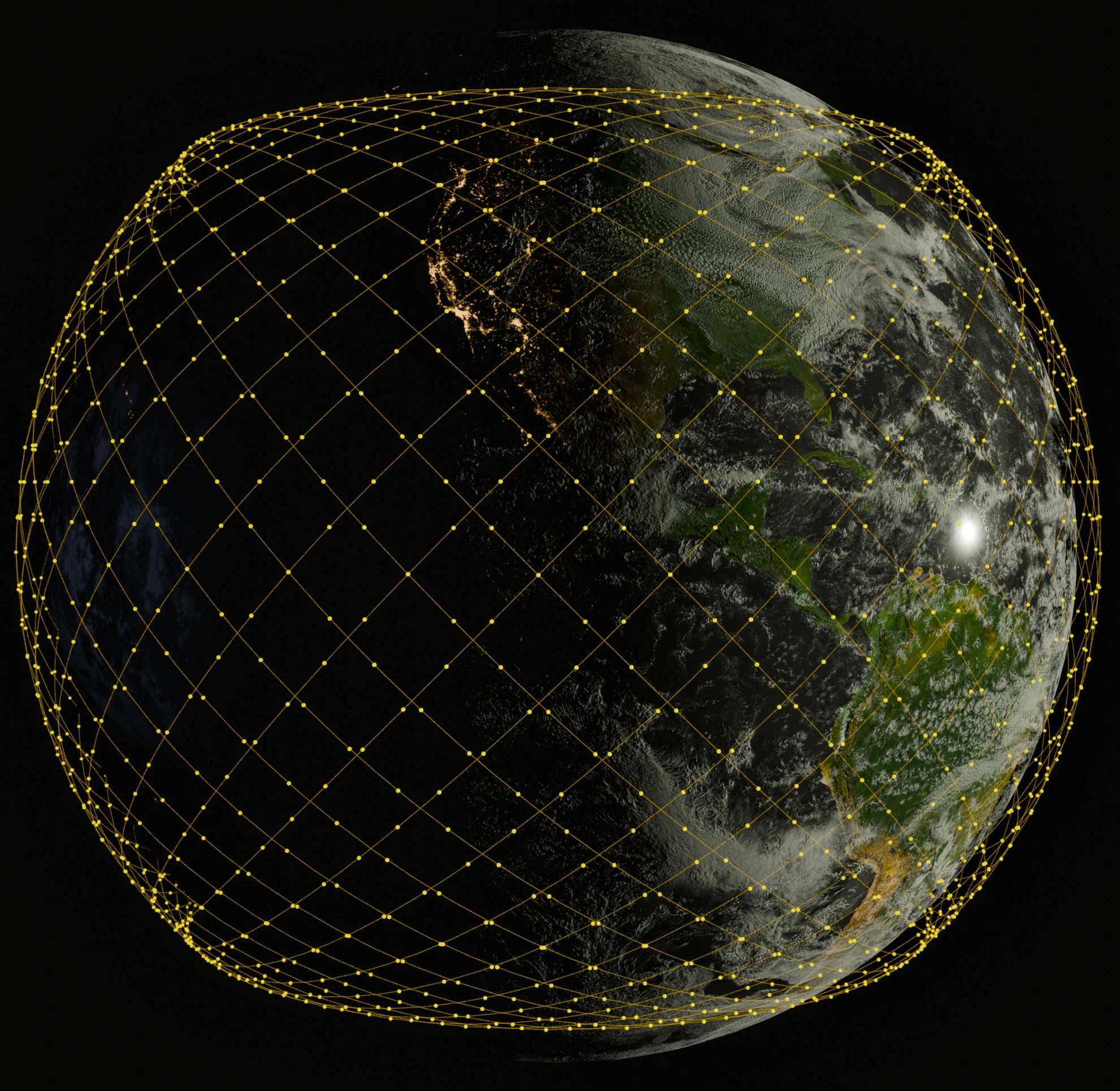
The Space Force has committed over two billion dollars to SpaceX for the rapid development of its low Earth orbit (LEO) communications infrastructure. This substantial investment is designed to expedite the deployment of a critical data transport network essential for linking U.S. military sensors and targeting systems globally.
The House Armed Services Committee is still awaiting the official budget amendment required to fund the E-7 Wedgetail, despite recent assurances from the Defense Department to support the advanced radar aircraft. This procedural delay means initial drafts of the upcoming defense authorization act do not yet include critical procurement allocations for the platform.
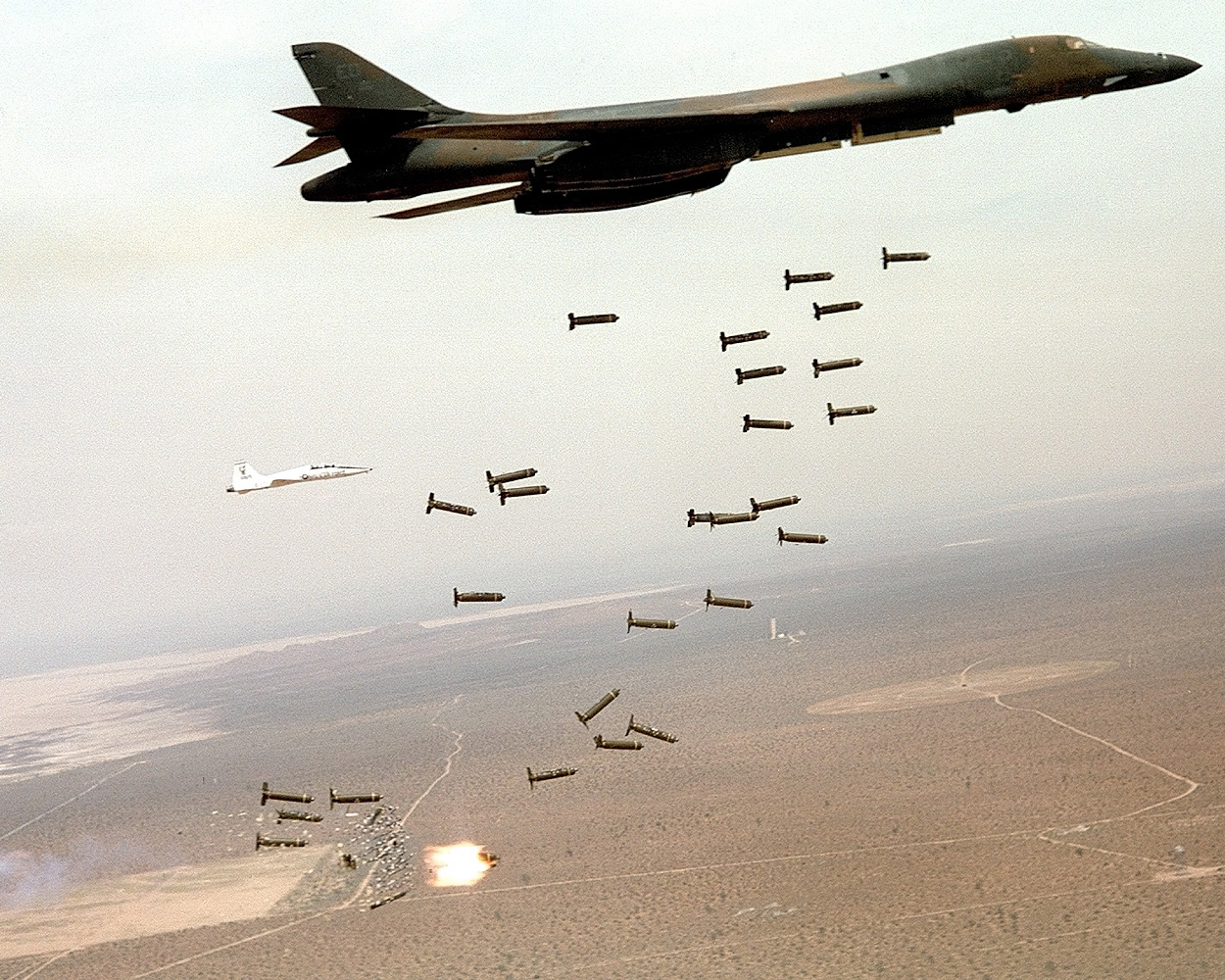
Evidence suggests that Russian-manufactured cluster munition submunitions have been deployed in northern Mali, a nation that is a signatory to the international convention prohibiting such weapons. This discovery follows recent airstrikes announced by Malian forces, operating with support from Russian paramilitary groups, amid an intensifying conflict with various insurgent factions. The presence of these munitions raises significant questions about adherence to international law and the nature of foreign military assistance.
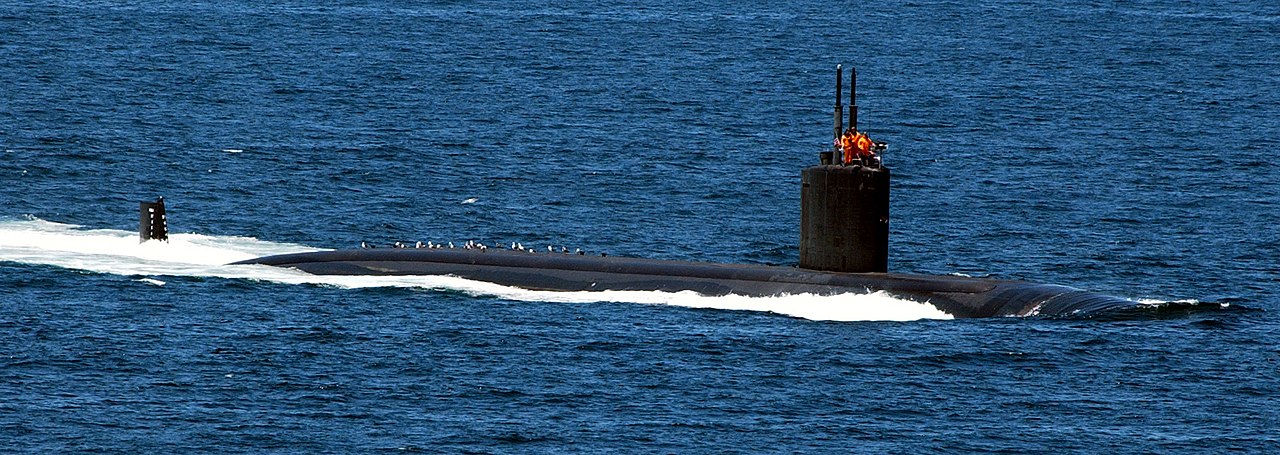
Australia has commenced a controversial life-extension program for its aging Collins-class submarine fleet, an initiative immediately flagged by national auditors as inherently high-risk. This critical effort aims to bridge a capability gap until the nation acquires its new nuclear-powered submarines under the AUKUS pact, a process expected to span decades.

Turkey's extensive Efes 2026 military exercise marked a significant expansion in participation, notably including Syria for the first time among nine new nations. This iteration showcased a robust array of homegrown defense technologies and complex multi-domain operations.
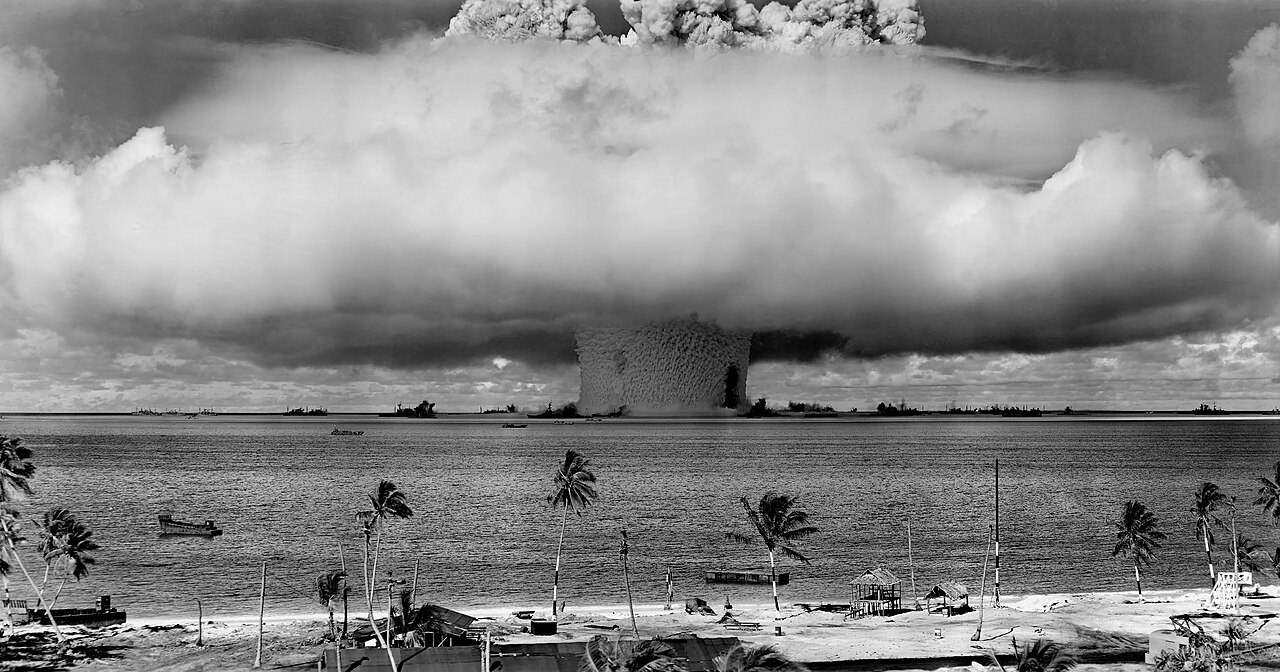
South Korea has formally unveiled an ambitious plan to develop its own nuclear-powered submarine fleet, with projections aiming for the first vessel to be operational by the latter half of the 2030s. This strategic initiative marks a significant step in Seoul's defense posture, signaling a commitment to enhanced naval capabilities through domestic innovation.

The U.S. military faces formidable logistical hurdles in the Indo-Pacific, where commanders acknowledge the vast distances pose a significant challenge to sustaining any prolonged engagement. While forces aim for immediate readiness, the sheer scale of the region demands an innovative approach to maintain combat effectiveness far from home bases.
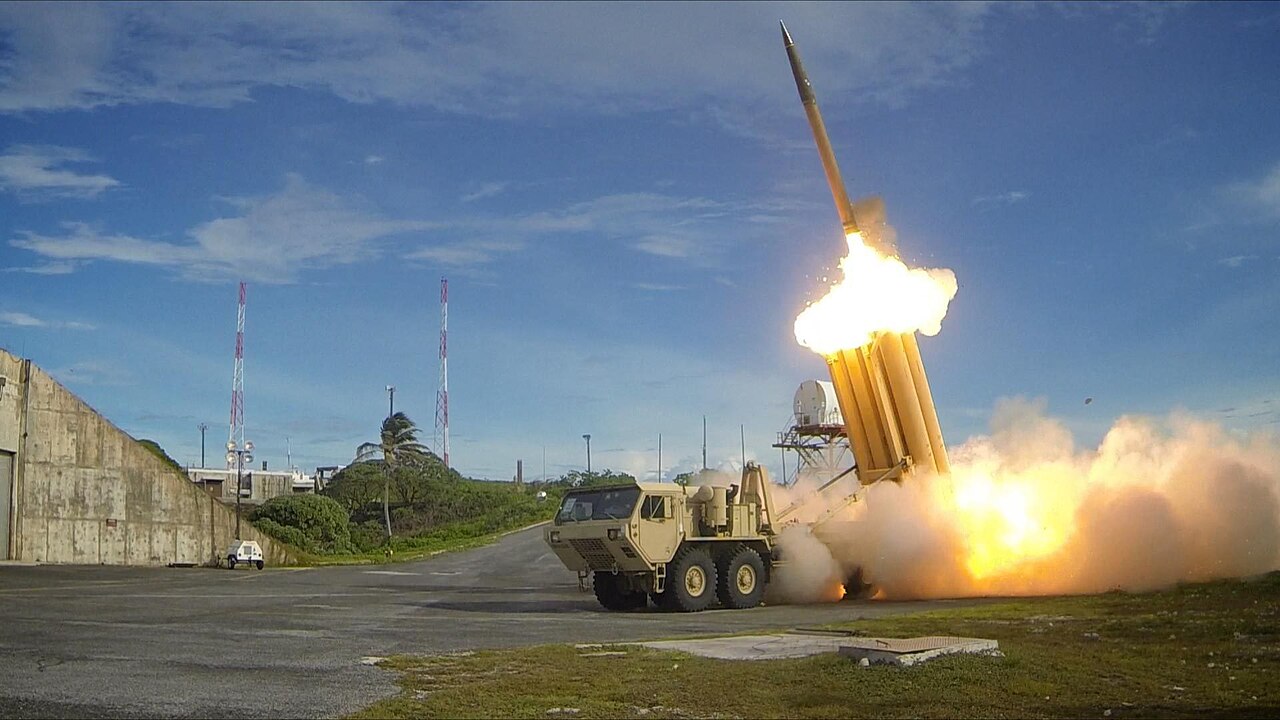
Lockheed Martin has initiated construction on a significant new facility in Alabama, poised to dramatically escalate its production of THAAD interceptors. This strategic investment is a direct response to the Pentagon's intensified drive to rebuild and expand critical munitions stockpiles amid evolving global security challenges.
Israel Aerospace Industries (IAI) has introduced a revolutionary naval defense paradigm named Diamond, designed to significantly enhance maritime capabilities without necessitating expensive new fleet acquisitions. This innovative approach leverages networked, containerized weapon and sensor systems that can be rapidly deployed on both existing warships and smaller, more cost-effective auxiliary vessels. It aims to transform naval combat by fostering greater flexibility and responsiveness against evolving threats.
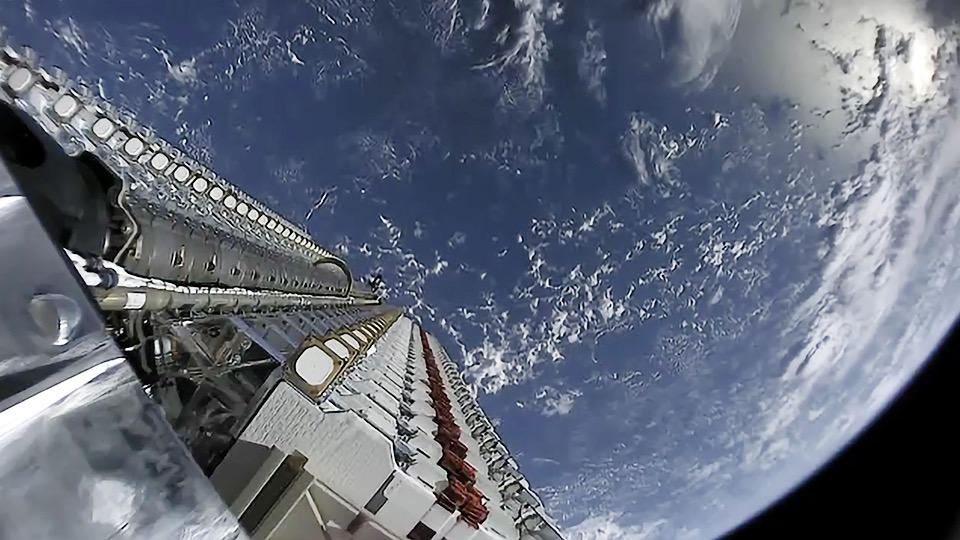
A new policy paper advocates for the U.S. Space Force to establish a permanent human presence on the moon, including active-duty personnel, to counter potential territorial and resource disputes with China. This proposal calls for a significant redefinition of military roles in space, moving beyond traditional exploration to direct competition in lunar environments. It underscores growing concerns about the militarization of celestial bodies.

Taipei's government has publicly stated it received no communication regarding delays in U.S. arms deliveries, directly contradicting recent remarks from a senior American defense official. This unfolds amidst ongoing discussions surrounding a substantial military aid package intended to bolster Taiwan's defensive capabilities against mainland China's sovereignty claims. The discrepancy highlights potential challenges in strategic messaging between the two partners.