Military & Defense
451 articles · Coverage updated continuously
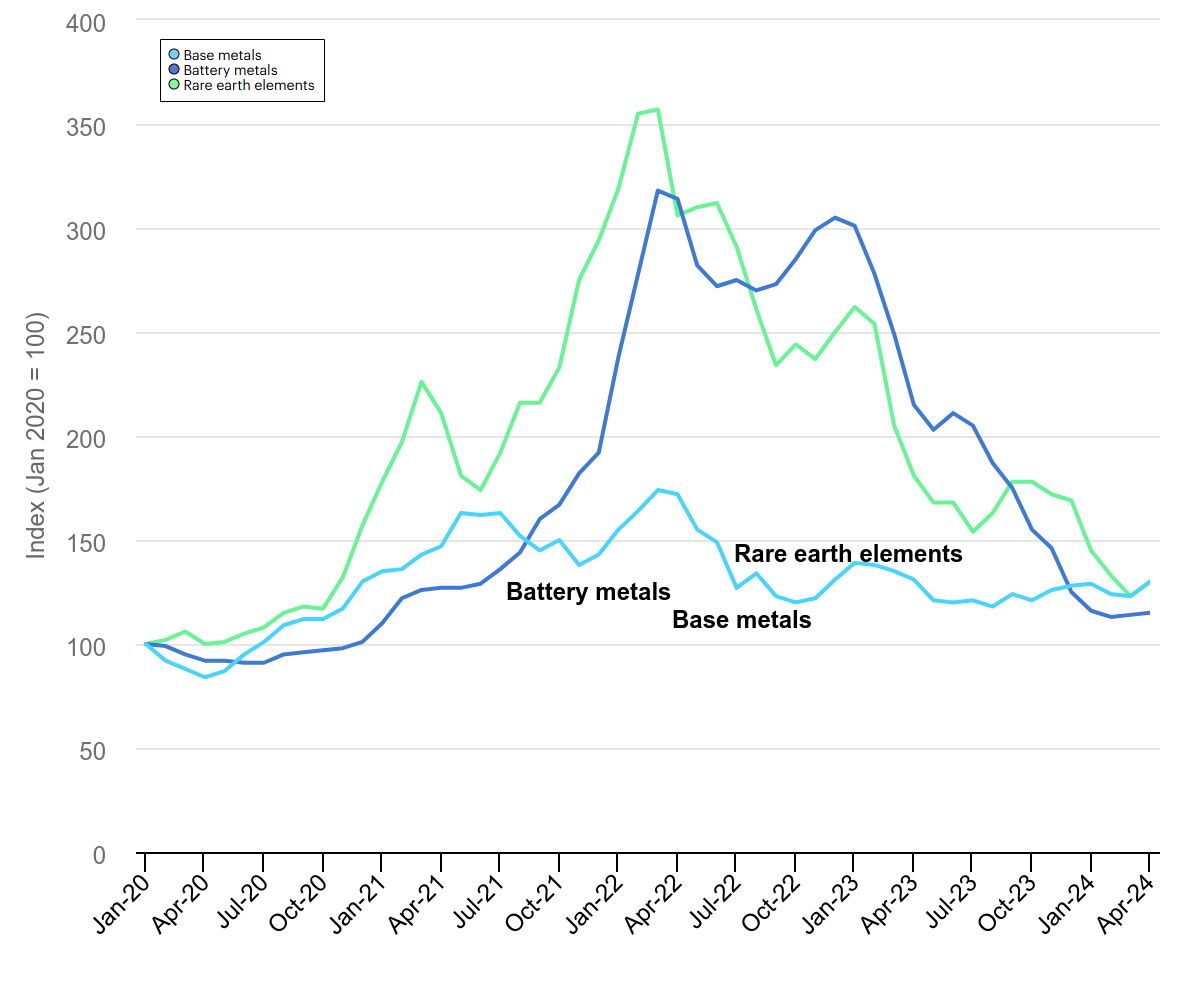
A notable trend has emerged with a substantial uptick in mining companies pursuing listings on U.S. stock exchanges, a move increasingly driven by the explicit aim to supply critical minerals for defense applications. This shift signals a strategic reorientation within the mining sector, directly responding to the burgeoning demands of the U.S. defense industrial base.
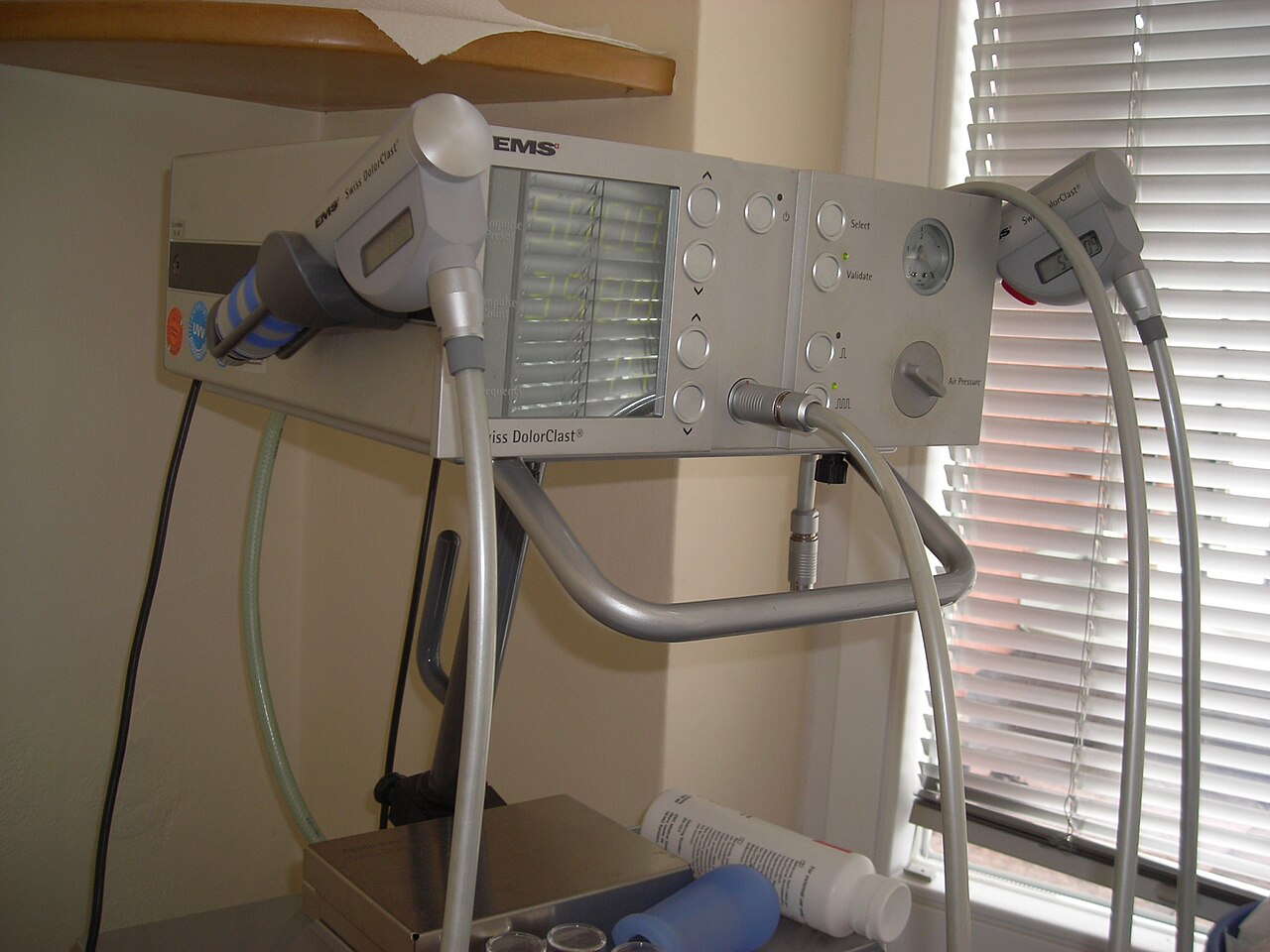
The Pentagon's advanced research arm is spearheading an initiative to fundamentally redefine how deeply embedded subterranean targets are neutralized. This ambitious endeavor moves beyond conventional kinetic energy principles, focusing instead on manipulating advanced physics to achieve breakthrough capabilities. The shift comes as adversaries increasingly conceal critical assets within formidable underground fortifications.

A Russian drone strike on a Romanian apartment complex has marked a significant escalation in the ongoing conflict, directly impacting NATO territory and causing minor injuries to civilians. This incident represents the first time a densely populated area within a NATO member state has sustained damage and casualties from Russian military action since the start of the war in Ukraine, immediately prompting strong condemnation from the alliance.
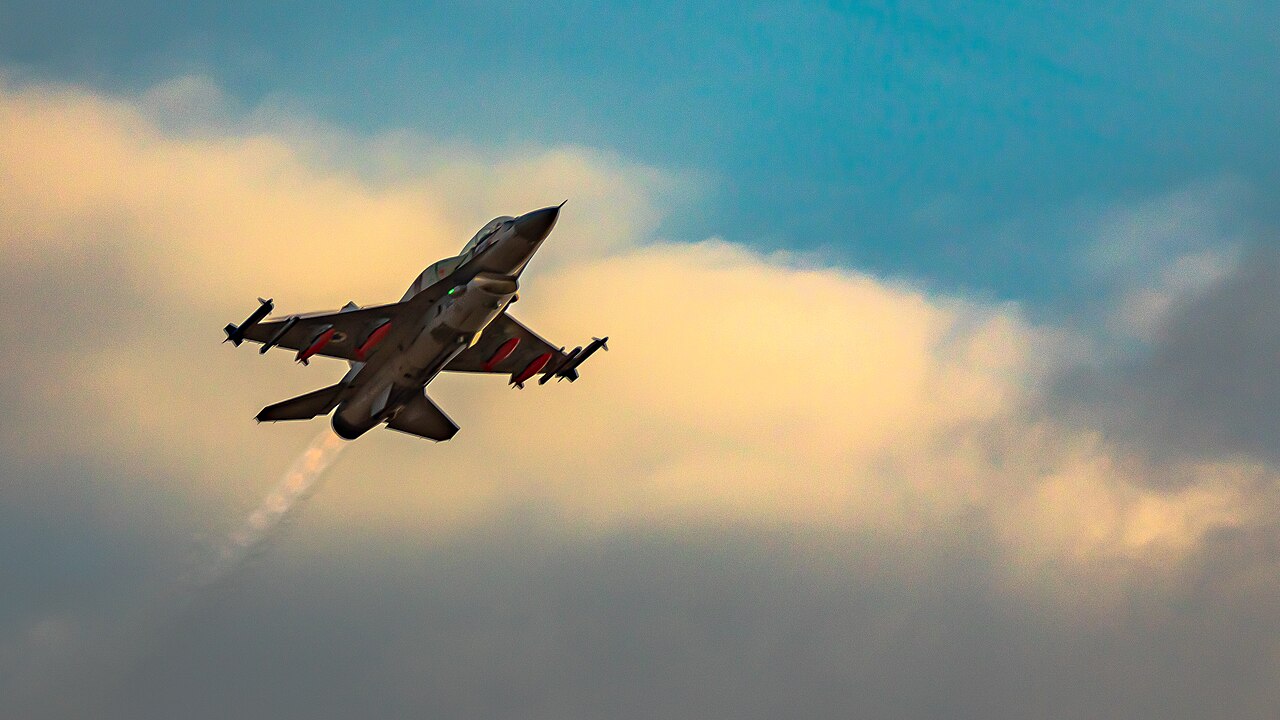
An errant Russian drone struck a residential complex within Romanian territory, causing injuries and marking the first direct impact on civilian infrastructure inside the NATO member state. This incident prompted the immediate scramble of Romanian F-16 fighter jets and a helicopter, underscoring the escalating challenges to airspace integrity along the alliance's eastern flank.
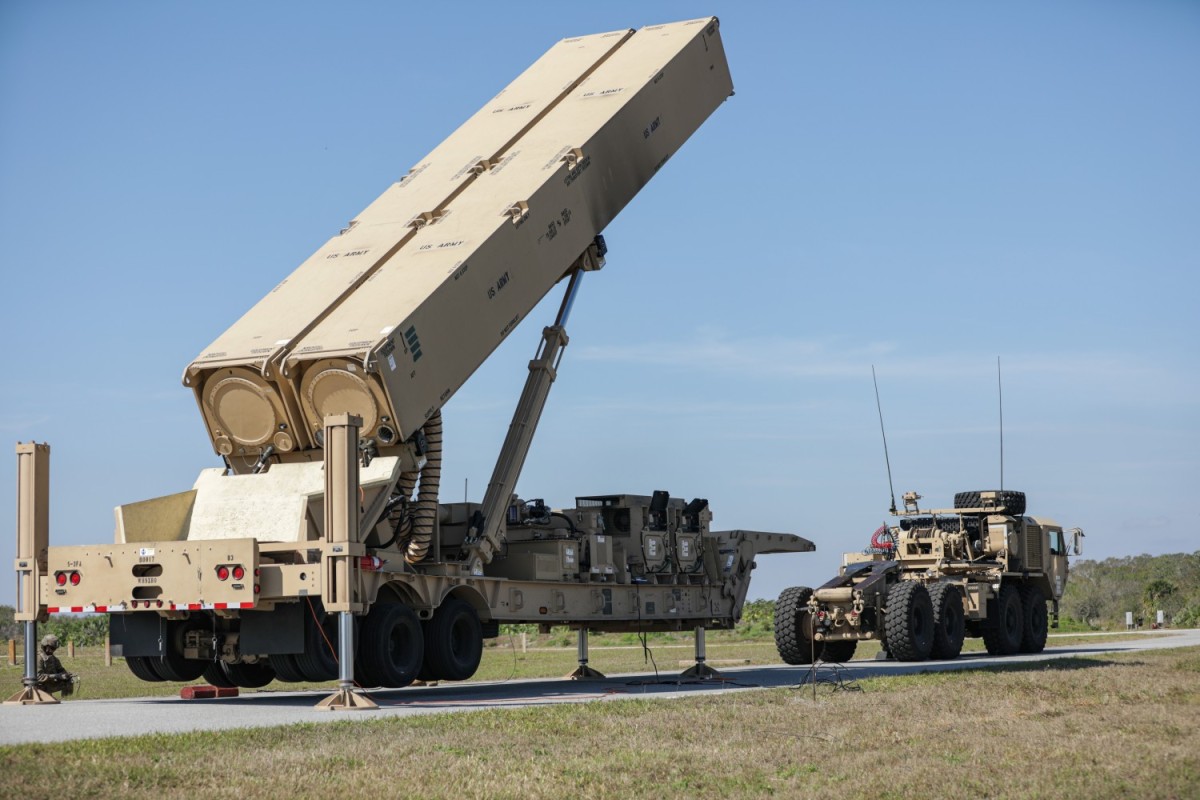
A substantial funding request included in an upcoming reconciliation bill could enable the US Navy to acquire warships from international shipbuilders, rather than solely investigating the feasibility. This strategic shift aims to accelerate fleet modernization and address persistent production challenges within the domestic shipbuilding industry. The move signals a proactive approach to expand naval capacity more rapidly.

US Space Command is charting a course for offensive operations in cislunar space, a significant shift in strategic priorities for the command's future science and technology investments. This newly articulated focus extends the scope of potential conflict beyond traditional Earth orbits, targeting the vast region between Earth and the Moon.

Kyiv is poised to significantly upgrade its aerial capabilities following a landmark agreement with Sweden for advanced Gripen fighter jets. This strategic procurement not only secures new-generation aircraft for future defense but also includes an immediate transfer of existing models to reinforce Ukraine's current operational requirements. The move underscores a sustained effort to modernize its air force amid ongoing geopolitical challenges.
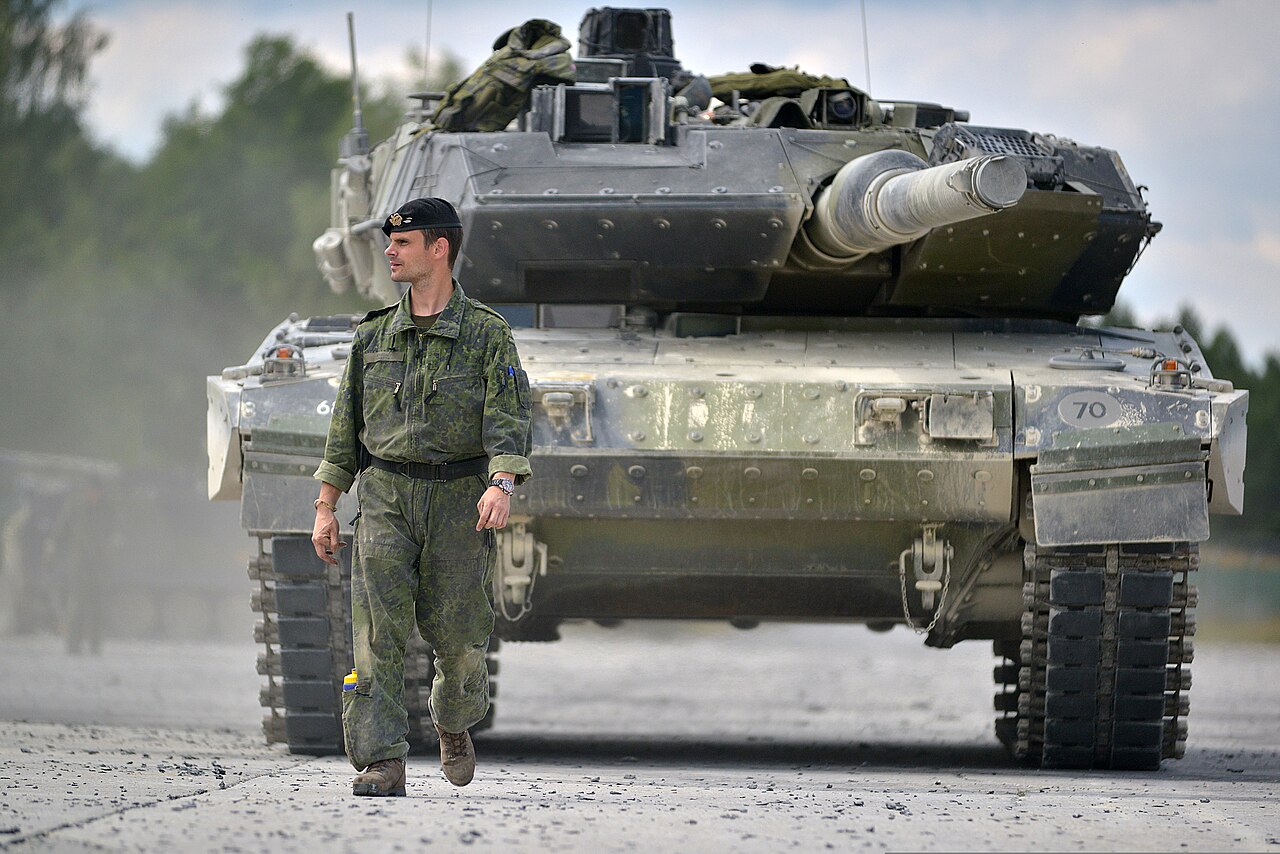
The initial delivery of Leopard 2A8 main battle tanks, equipped with the advanced Trophy Active Protection System, to Norway marks a significant milestone for European defense capabilities. This deployment signals a strategic push by the EuroTrophy consortium to establish its hard-kill APS as a standard across the continent's armored fleets, extending beyond its established success with Israeli and American platforms.

Recent operational challenges have underscored the imperative for the Space Force to overhaul its ground-based space operations and bolster its electronic warfare capabilities. A top budget planner indicates substantial investments, including around one billion dollars for new infrastructure, are now being directed towards these crucial areas, aiming to enhance resilience against evolving threats.

A prominent Democratic senator has formally requested an Inspector General be appointed to oversee the ongoing military operations in Iran. This move invokes federal statute mandating independent scrutiny for overseas contingency operations that extend beyond a two-month period, highlighting growing congressional concern over the conflict's scope and financial transparency.

Canada is set to acquire advanced airborne early warning and control aircraft from Saab, a strategic move aimed at significantly enhancing its military surveillance capabilities. This procurement, however, extends beyond direct defense upgrades, serving as a cornerstone for a broader initiative to invigorate the nation's domestic defense manufacturing sector. The decision signals a deliberate shift in Canada's defense procurement strategy, emphasizing self-reliance and diversified partnerships.

Germany's defense establishment has signaled a significant departure from its traditional arms export restraint, with its Defense Minister personally championing a submarine deal in Canada. This high-level intervention underscores Berlin's strategic ambitions to deepen transatlantic security ties and solidify its position within NATO's northern flank.