Military & Defense
451 articles · Coverage updated continuously
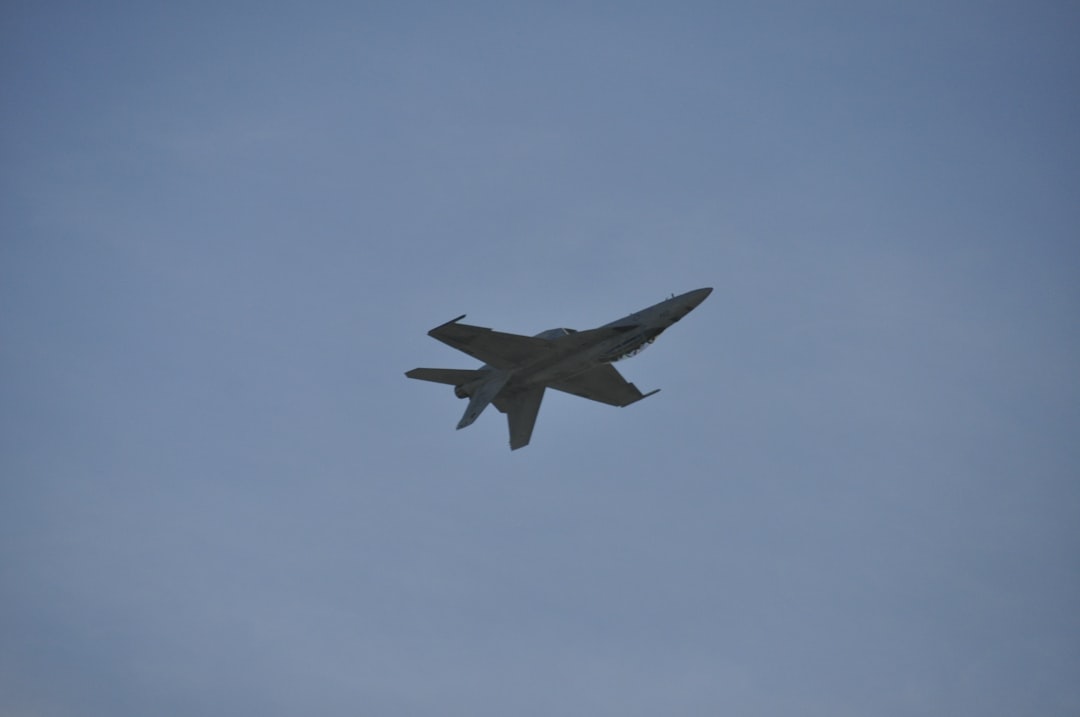
The U.S. Navy is set to significantly enhance its missile defense capabilities by integrating the Army's combat-proven PAC-3 MSE interceptor into its Aegis Combat System. This marks a pivotal cross-service collaboration, bringing the highly demanded missile to sea for the first time amidst a surge in global demand and expanding Pentagon production efforts. The move aims to bolster Aegis's multi-layer defense against increasingly sophisticated ballistic and cruise missile threats.
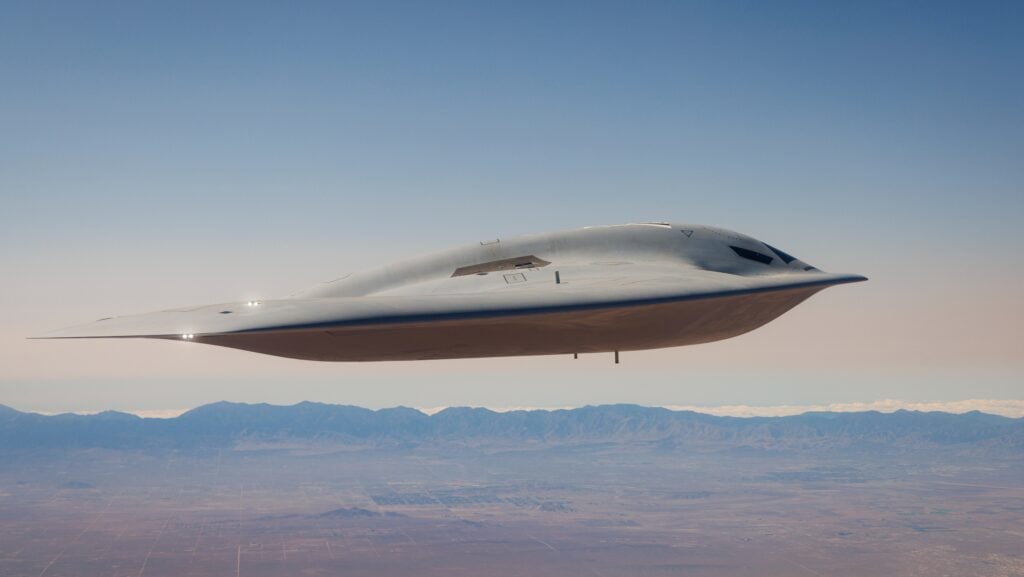
Northrop Grumman is committing an unprecedented $2.5 billion of its own capital to significantly accelerate the production of the B-21 stealth bomber, aiming to boost the manufacturing rate by 25 percent. This substantial private investment, a first for the program, underscores a critical push to rapidly field the next-generation bomber, with $200 million earmarked for immediate deployment this year. The move follows a finalized agreement with the Air Force, reflecting a shared urgency to bolster the U.S. strategic deterrent capability.

In a significant shift, Japan has moved to permit the export of lethal defense equipment to 17 allied nations, dramatically expanding its previous restrictions that only allowed for five categories of non-lethal gear. This long-anticipated policy change, spearheaded by Prime Minister Sanae Takaichi, aims to strengthen regional security in an increasingly volatile Indo-Pacific. The new framework will enable transfers to countries with existing defense agreements, though strict controls will prevent exports to active conflict zones, except under specific, approved conditions.
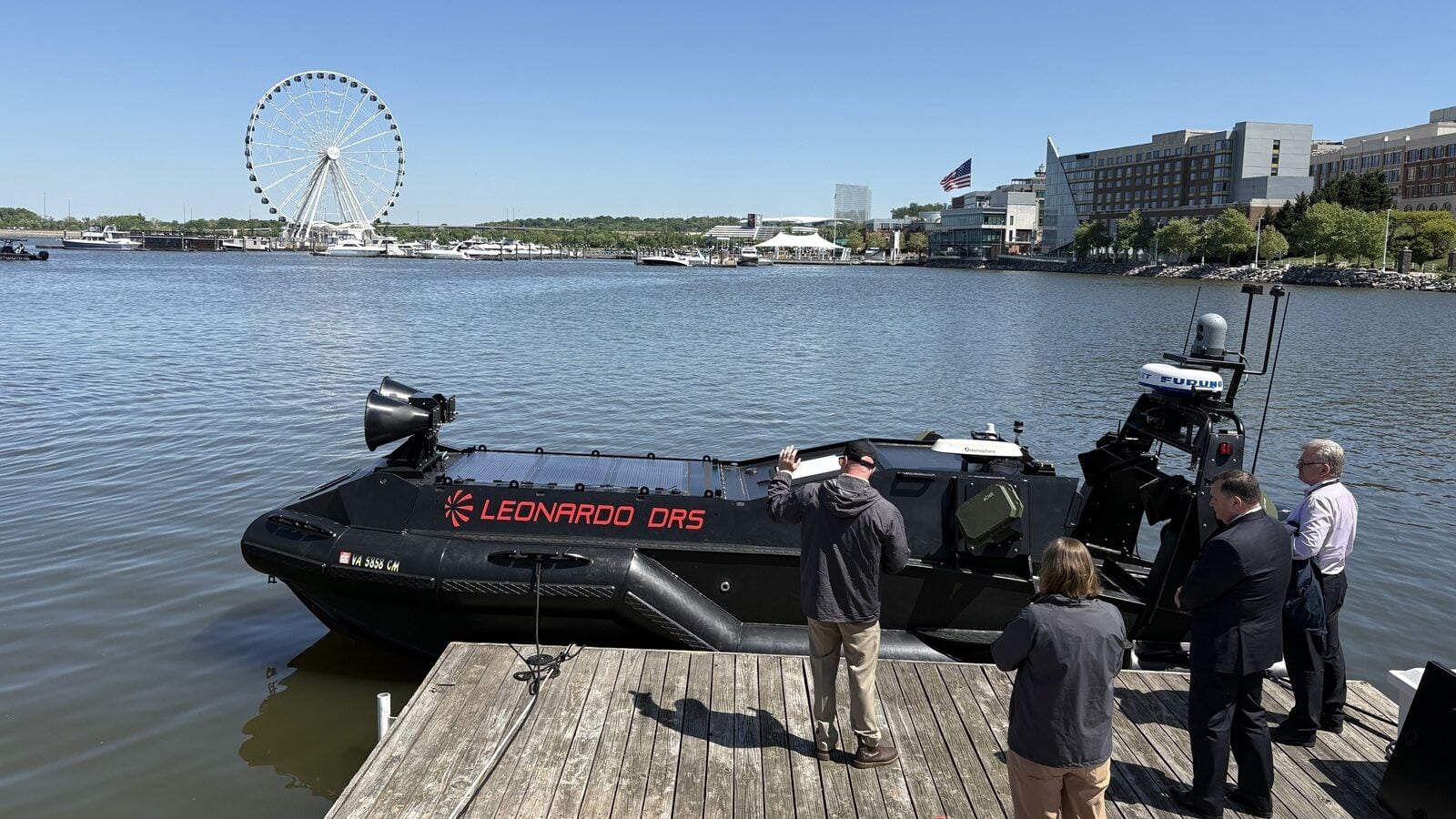
Senior military officials delivered key remarks on defense strategy and future priorities on Day 2 of Sea Air Space 2026, while industry leaders showcased an array of cutting-edge defense and security technologies. This pivotal day saw attendees navigate dozens of booths, highlighting the critical intersection of policy and innovation. Our exclusive photo gallery provides a visual tour of the most impactful moments and groundbreaking technologies unveiled from the show floor.
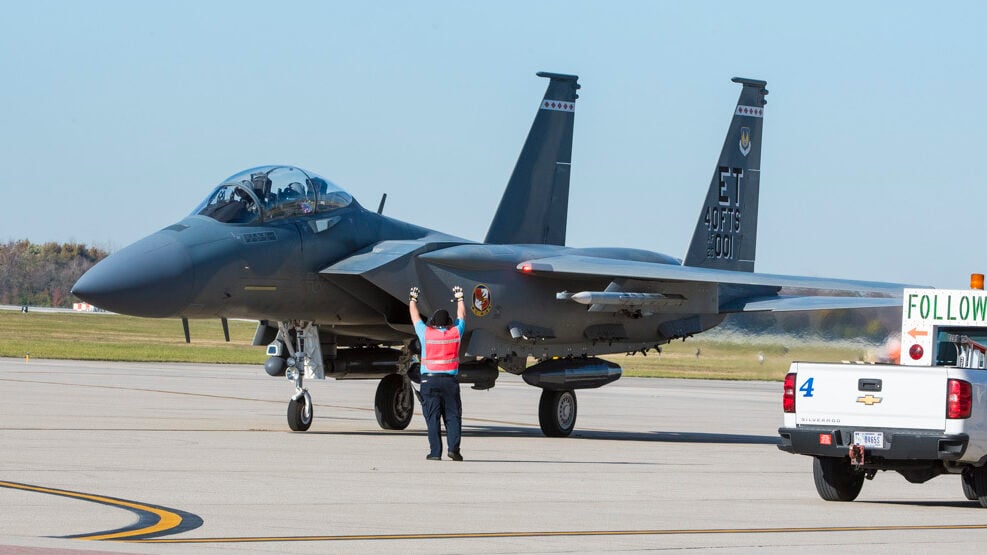
The U.S. Air Force has dramatically increased its acquisition plan for the F-15EX Eagle II, more than doubling its projected fleet to 267 jets amidst a substantial 25% surge in the FY27 Air Force budget to $267.7 billion. This significant expansion, revealed today at the Pentagon, aims to rapidly recapitalize the aging F-15E units and ensure the sustainment of critical production lines for the Boeing-made fighter.

The U.S. Navy has set an ambitious target of Fiscal Year 2028 to commence construction on the first-in-class "Trump-class" battleship, a program projected to demand an substantial $46 billion over five years for its design and development. This next-generation vessel, personally announced by President Donald Trump, is slated to feature an advanced arsenal including hypersonic weapons, electronic rail guns, and high-powered lasers. The Navy is already seeking significant advance procurement and R&D funds in FY27 to accelerate this high-priority initiative.

Canada recently showcased its enhanced Arctic defense capabilities, completing a grueling 5,000-kilometer snowmobile patrol and executing its largest Northern exercises since 2007. These extensive military maneuvers, undertaken in extreme conditions, underscore Ottawa's assertive stance on its sovereign claims and its commitment to bolstering its presence in the strategically vital region. The C$35 billion pledge for Arctic reinforcement further solidifies this focus amid rising geopolitical tensions.

Denmark is set to significantly bolster its air defense capabilities, becoming the third nation to acquire the advanced French-Italian SAMP/T NG air-defense system, with initial deliveries expected by 2028. This strategic acquisition, officially confirmed with signed orders in the first quarter of this year, sees Denmark opting for the cutting-edge European solution equipped with Thales Ground Fire 300 radar and MBDA Aster 30 Block 1 New Technology interceptors. The decision marks a pivotal moment in Denmark's military modernization, prioritizing enhanced capabilities against sophisticated threats like medium-range ballistic and hypersonic missiles.
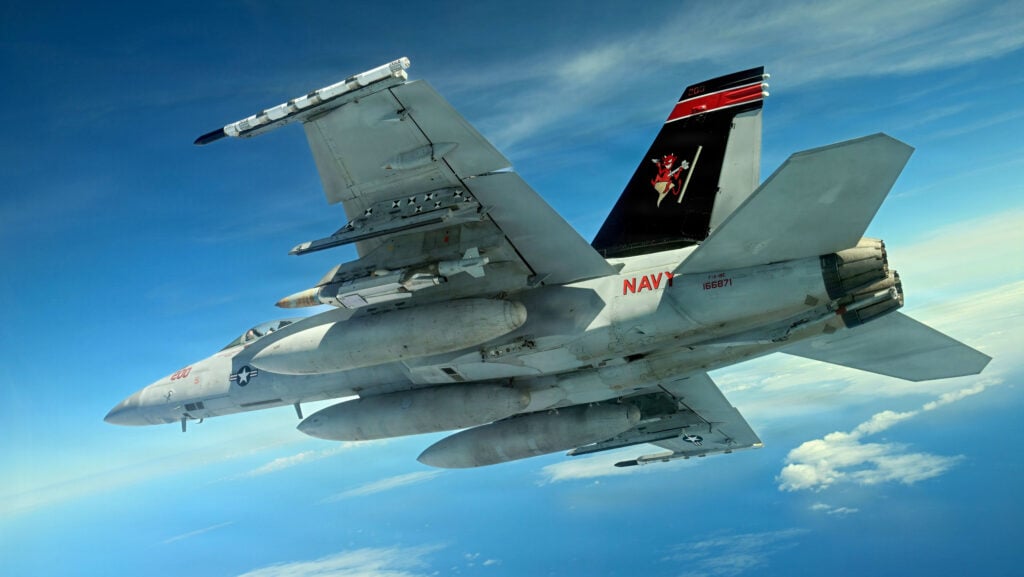
The US Navy has successfully completed inaugural flight tests of a turbojet-modified Joint Direct Attack Munition (JDAM), a significant leap that extends the weapon's strike range to over 300 nautical miles. This new GBU-75 variant represents a five-fold increase in reach compared to previous versions, offering a substantial enhancement to standoff capabilities. Conducted off the coast of California, the tests validated safe separation, aircraft interface compatibility, and controlled powered flight.
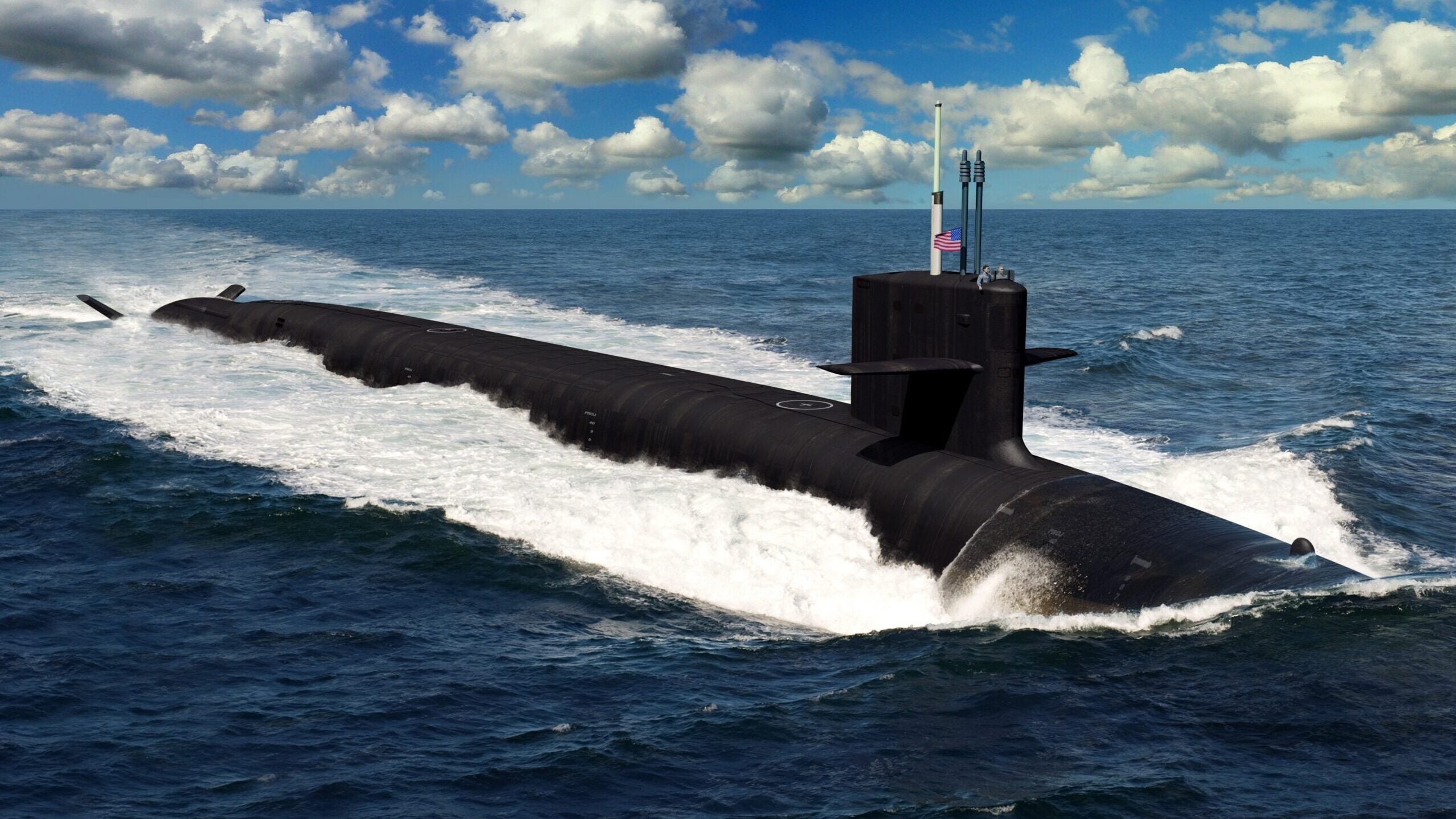
The Pentagon's inaugural submarine czar, Vice Adm. Robert Gaucher, has candidly described the 2028 delivery target for the USS District of Columbia, the first Columbia-class submarine, as a "wicked heavy lift." This critical assessment highlights the immense challenges facing the program, even as Gaucher affirms that the tight deadline will not compromise the program's long-term integrity or its vital one-per-year production cadence. Currently, the lead vessel is approximately 65% complete, with full-rate construction not expected until the early 2030s.

The USS Charlotte recently achieved a historic milestone, becoming the first U.S. submarine to sink an enemy vessel with a torpedo since World War II, targeting an Iranian frigate off Sri Lanka. This unprecedented event, following initial strikes on Iran, highlights the U.S. Navy's urgent need for covert naval options and rapid deployment capabilities beyond traditional six-month cycles. Chief of Naval Operations Admiral Daryl Caudle emphasized that this quick adaptation was a deliberate, tailored response, not improvisation.

The Space Force has officially terminated the Next Generation Operational Control System (OCX) contract, a critical ground system for GPS satellites, after pouring $6.27 billion into the troubled program over years of delays. Citing "insurmountable challenges" and an inability to deliver on an operationally relevant timeline, officials have opted to enhance the current GPS ground system instead of continuing with the beleaguered project led by prime contractor RTX. This cancellation marks a significant setback for the Space Force's modernization efforts and raises questions about future acquisition strategies.