Military & Defense
451 articles · Coverage updated continuously

NATO has selected Saab's GlobalEye to replace its aging Boeing E-3A AWACS fleet, marking a significant strategic shift after more than four decades of Boeing dominance in the alliance's airborne surveillance. This decision, emerging from a procurement saga, will see the Swedish-Canadian platform become NATO's common airborne surveillance backbone, diverging from previous expectations and recent U.S. procurement shifts. The move underscores a growing European push for strategic autonomy following American industrial challenges.
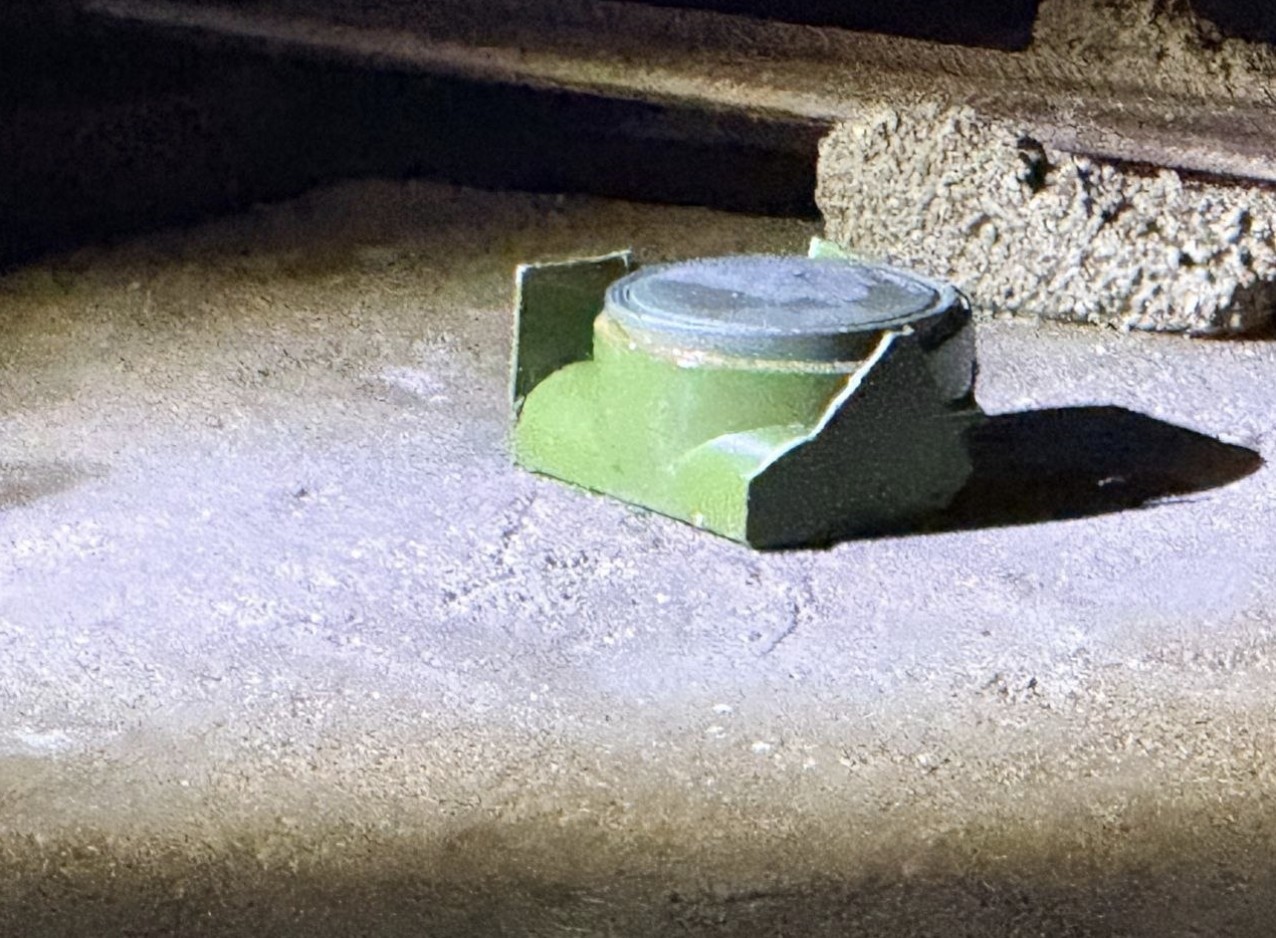
Evidence strongly suggests US-made Gator scatterable mines were deployed overnight in the Iranian village of Kafari, near Shiraz, causing multiple civilian casualties. Defense experts consulted by Bellingcat have confirmed the munitions as BLU-91/B anti-tank mines from air-delivery systems, notably identifying the US as the only known participant in the Iran conflict possessing these specific mine systems.

New video evidence, verified by Bellingcat, confirms US Tomahawk missile strikes hit an Iranian Revolutionary Guard Corps (IRGC) compound and an adjacent elementary school in Minab, Iran, in late February. The US military's preliminary investigation reportedly concluded a US strike likely impacted the school, resulting in reported casualties, including children. Open-source intelligence (OSINT) analysis suggests at least two distinct waves of attacks, with the school being affected during the initial phase.

Constantinople's legendary fortifications were not just imposing walls but an intricately engineered system, featuring a formidable four-layered defense that made the Byzantine capital virtually impregnable for over a millennium. This masterful medieval design integrated a wide, often flooded ditch, a low breastwork, and two massive walls with numerous strategically offset towers. The article delves into how these elements combined to create one of history's most effective defensive structures.
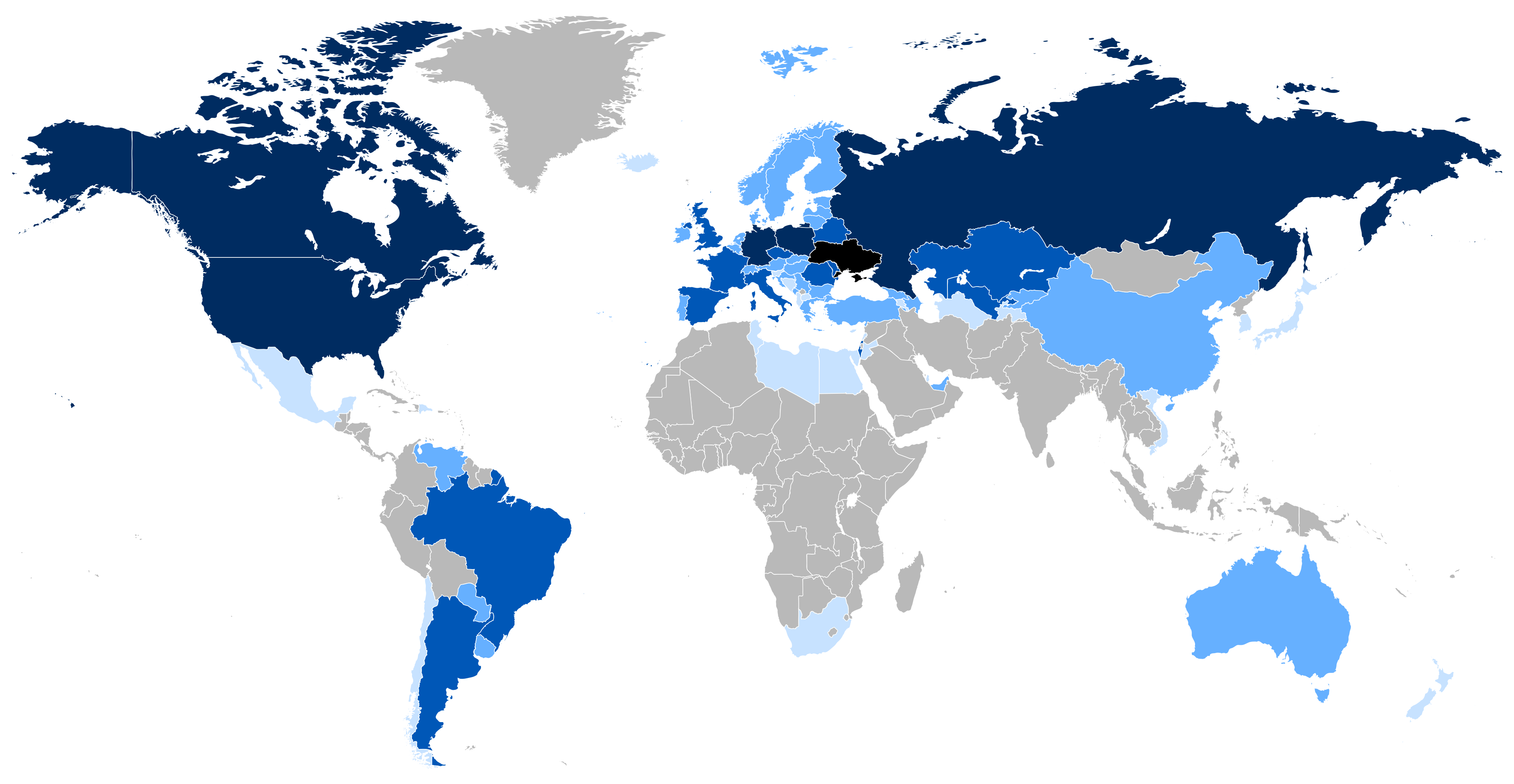
The escalating conflict with Iran has significantly diverted U.S. military resources, including tens of thousands of service members and critical Patriot interceptor stockpiles, away from global commitments and particularly impacting the prospect of a robust American role in a future Ukraine peacekeeping mission. This large-scale reallocation comes as Kyiv observes the very air defense systems it needs being consumed in a new Middle East war, raising serious doubts about Washington's capacity and willingness to fulfill long-term security commitments in Eastern Europe. Amidst these shifting priorities, the Trump administration has already tempered its initial proposals for leading such a mission, signaling a challenging path ahead for Ukraine's post-conflict stability.

The Pentagon has fundamentally reshaped its counter-drone strategy following a September exercise that meticulously replicated a Ukrainian 'spiderweb' drone attack on a Florida airfield. Dubbed Operation Clear Horizon, the simulation exposed critical vulnerabilities in existing U.S. counter-UAS approaches, prompting a comprehensive re-evaluation of defense priorities and procurement. This decisive shift is now directly informed by real-world battlefield intelligence from Eastern Europe, signaling a new era for U.S. drone defense.

The U.S. Marine Corps and Navy are intensifying their collaboration to address a critical shortfall in the nation's amphibious fleet, which currently stands at an inadequate 31 ships and faces a projected readiness rate of a mere 41% by 2025. This joint effort, highlighted by Marine Corps Commandant Gen. Eric Smith, signals a unified commitment to enhance both the size and availability of these vital vessels, deemed insufficient for current global operational demands. The services aim to achieve this through a multifaceted strategy encompassing maintenance optimization, service life extensions for existing ships, and the procurement of new platforms such as the Damen LST-100 design.

The U.S. Navy has commenced a comprehensive audit of the cost and design efficacy for its upcoming Gerald R. Ford-class aircraft carriers, the USS William J. Clinton and USS George W. Bush. This significant review, initiated by former Navy Secretary John Phelan just before his recent ouster, aims to align carrier expenditures with the Navy's budget while scrutinizing the value proposition of systems like EMALS and projected sortie rates compared to the Nimitz-class. Phelan emphasized the necessity of examining both build and long-term sustainment costs in light of the carriers' substantial budgetary impact.

The Department of the Air Force (DoAF) has selected Antares, Radiant, and Westinghouse to develop strategic nuclear microreactors, with initial deployment slated for Joint Base San Antonio, Buckley Space Force Base, and Malmstrom Air Force Base. This move signifies a major step toward enhancing energy resilience and operational independence for key U.S. military installations, aiming for at least one operational microreactor by 2030. The selections stem from the Advanced Nuclear Power for Installations (ANPI) program, a joint effort with the Defense Innovation Unit.

The Pentagon's ambitious Golden Dome project, a $185 billion endeavor to revolutionize missile defense, has unveiled its first public component: the Army's ALPS radar system. This debut, featuring the advanced Long-Range Persistent Surveillance radar, marks a significant step for a program previously considered theoretical, as program manager Gen. Michael Guetlein emphasized the need to demonstrate tangible progress to justify its massive budget. Alongside hardware showcases, new initiatives like the "Ecosystem Hub" and "Apex Arc" data lake with AI sandboxes are designed to foster deeper integration across industry, academia, and allied partners.

The Department of Defense has finalized a $1 billion investment in L3Harris Technologies' missile production unit, largely comprised of the former Aerojet Rocketdyne, ahead of its anticipated initial public offering later this year. This significant capital infusion, structured as a convertible preferred security with warrants, aims to dramatically boost rocket motor factory capacity amidst surging global demand for munitions. The move is designed to expand the unit's manufacturing capabilities to address critical shortages and enhance the U.S. industrial base.

The U.S. Army is creatively adapting its long-serving AH-64 Apache helicopters to counter the growing threat of sophisticated enemy drones, leveraging them for cost-effective operations against Group 3-5 Unmanned Aerial Systems (UAS). This strategic pivot, informed by critical lessons from conflicts in Ukraine and Iran, aims to integrate existing attack aviation assets directly into theater air defense architectures using specialized proximity-fuzed munitions. By equipping Apaches with 30mm proximity-fuzed shells and guided rockets, the Army intends to preserve its more expensive, high-end interceptors for other critical roles.