Military & Defense
454 articles · Coverage updated continuously

New research sheds light on the remarkable evolutionary journey of squid and cuttlefish, revealing that these highly intelligent cephalopods originated deep in the ocean over 100 million years ago. This groundbreaking study, based on newly sequenced genomes and global datasets, uncovers their unique survival strategy during mass extinction events by retreating to oxygen-rich deep-sea refuges. Their subsequent rapid diversification into shallow-water habitats post-extinction offers a compelling narrative of adaptation and resilience.

As US military operations pivot increasingly towards an advanced, resilient space architecture, the Pentagon is building the foundation for future dominance. This shift is powered by next-generation satellite systems crucial for critical communications, missile warning, and tracking, fundamentally reshaping national security. Beyond the spectacle of launches, it's the sophisticated payloads and interconnected networks that are now the true frontier of military advantage.

The Space Force has awarded 20 contracts, potentially worth $3.2 billion, to 12 companies including industry giants Lockheed Martin, Northrop Grumman, and SpaceX, for the development of space-based interceptors (SBIs). These awards represent a significant step forward for President Trump's "Golden Dome" missile defense shield, with an initial demonstration of the SBIs expected by 2028. The program aims to create a low Earth orbit constellation capable of intercepting advanced threats, including hypersonic glide vehicles, throughout various flight phases.

The U.S. Air Force is dramatically expanding its F-15EX Eagle II fleet, proposing to more than double its planned acquisition from 129 to 267 aircraft, according to its fiscal year 2027 budget request. This significant procurement, driven by the need to replace aging F-15E Strike Eagles and bolster capabilities, underscores a strategic shift towards a mixed fleet approach for enhanced airpower. The expansion aims to address both high-capacity weapons needs and long-range operational demands, particularly in the Indo-Pacific region.

As the United States faces its most significant nuclear threat since the Cold War, a bold proposal suggests moving the National Nuclear Security Administration (NNSA) out of the Department of Energy (DOE). This move aims to establish the NNSA as an independent agency, reporting directly to the President, thereby eliminating bureaucratic drag and blurred accountability that currently hinder the nation's nuclear deterrent. The restructuring is presented as a critical step to ensure a singularly focused and agile approach to America's nuclear future amid rising global tensions.

The U.S. Missile Defense Agency (MDA) is aggressively pursuing the integration of directed energy weapons onto unmanned platforms, signaling a significant push towards laser-armed drones for domestic air defense. This initiative aims to establish a crucial 'non-kinetic layer' against incoming missiles and hostile UAVs, marking a renewed commitment to airborne laser technology. The announcement from MDA Director Air Force Lt. Gen. Heath Collins during a recent House Armed Services Subcommittee hearing highlights the agency's "all in" approach to this futuristic defense strategy.
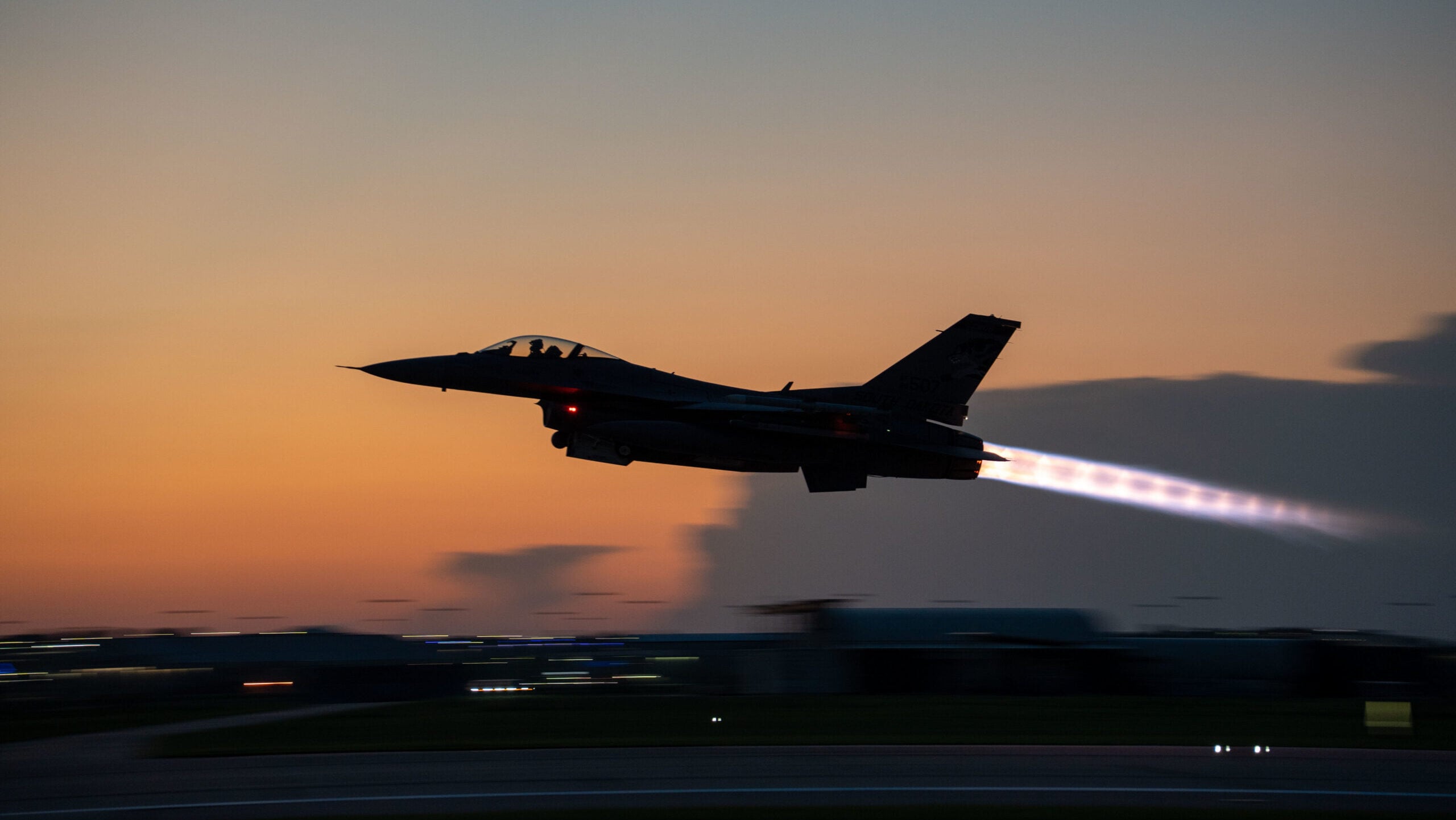
Lockheed Martin has announced Peru's acquisition of 12 F-16 Block 70 fighter jets, claiming a significant victory despite an ongoing political spat in Lima where President Balcázar publicly disavowed the deal. This move to modernize Peru's air force, replacing its aging Mirage 2000 and MiG-29 fleets, has paradoxically led to high-level ministerial resignations even as a "technical signing" and initial payment from the Ministry of Economy signal the deal's progression.
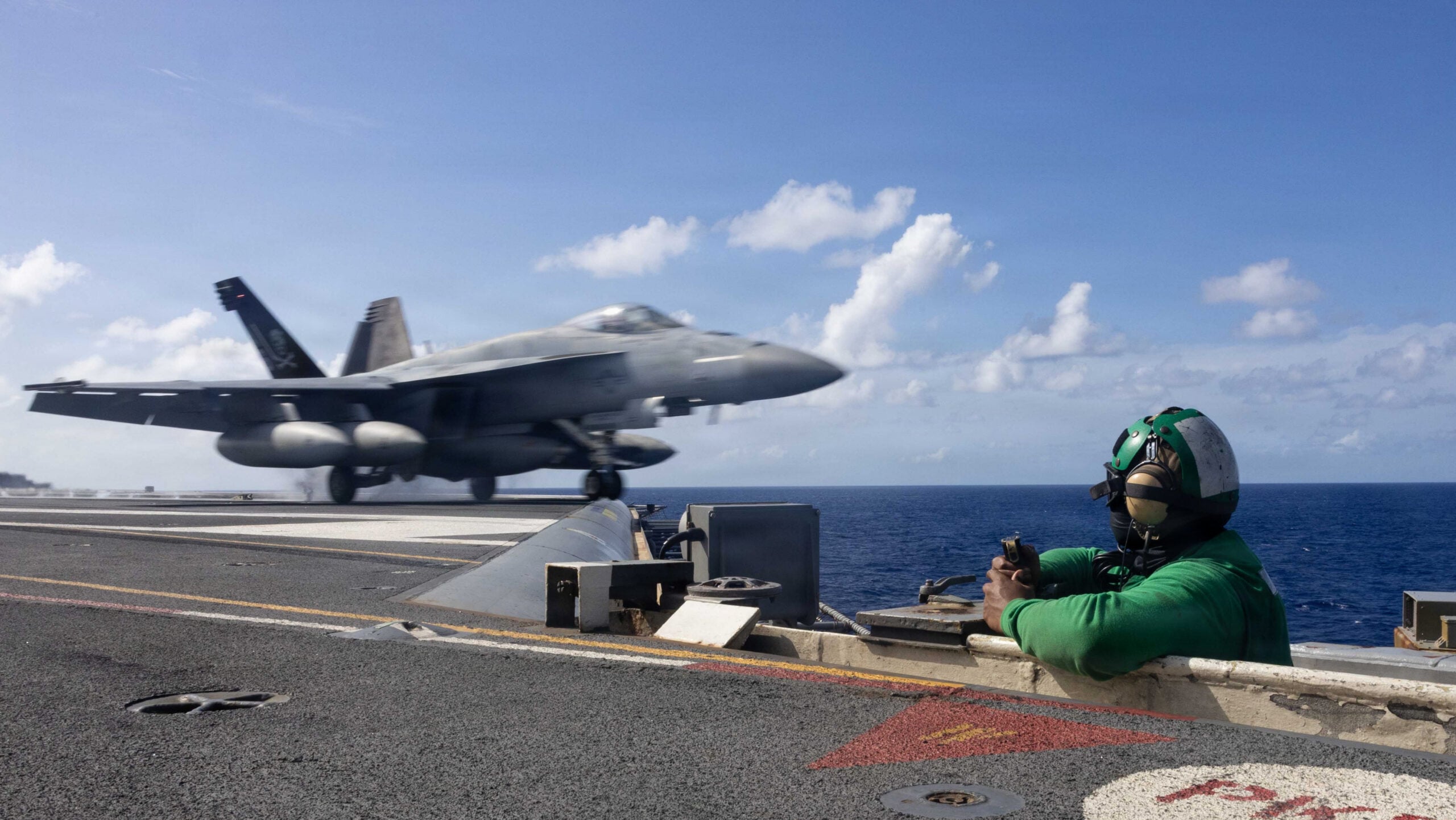
For the first time since 2003, three United States aircraft carrier strike groups, including the USS George H.W. Bush, USS Gerald R. Ford, and USS Abraham Lincoln, are simultaneously operating in the Middle East. This historic concentration of naval power, comprising over 200 aircraft and 15,000 personnel, marks a significant escalation in the US military posture. The massive buildup directly supports 'Operation Epic Fury,' a newly launched initiative explicitly targeting Iranian assets with over 13,000 strikes and a maritime blockade, highlighting intensified US-Iran tensions.

Italy has opted against triggering the European Union's National Escape Clause, thereby forgoing an additional €12 billion ($14 billion) in defense spending over three years. This decision, driven by Prime Minister Giorgia Meloni's focus on domestic priorities like energy costs and citizen needs, highlights a significant pivot from potential military budget expansion. The EU clause would have exempted these defense expenditures from deficit calculations, offering a rare opportunity for substantial arms acquisition without breaching fiscal rules.

The United States has deployed an unprecedented concentration of naval power to the Middle East, with three aircraft carriers – the USS Abraham Lincoln, USS Gerald R. Ford, and USS George H.W. Bush – now operating simultaneously in the region. This marks the largest such deployment since 2003, bringing together over 15,000 personnel and 200 aircraft amid heightened US-Iran tensions and an active blockade of Iranian shipping. The convergence of these formidable assets underscores a significant escalation in American strategic posturing.
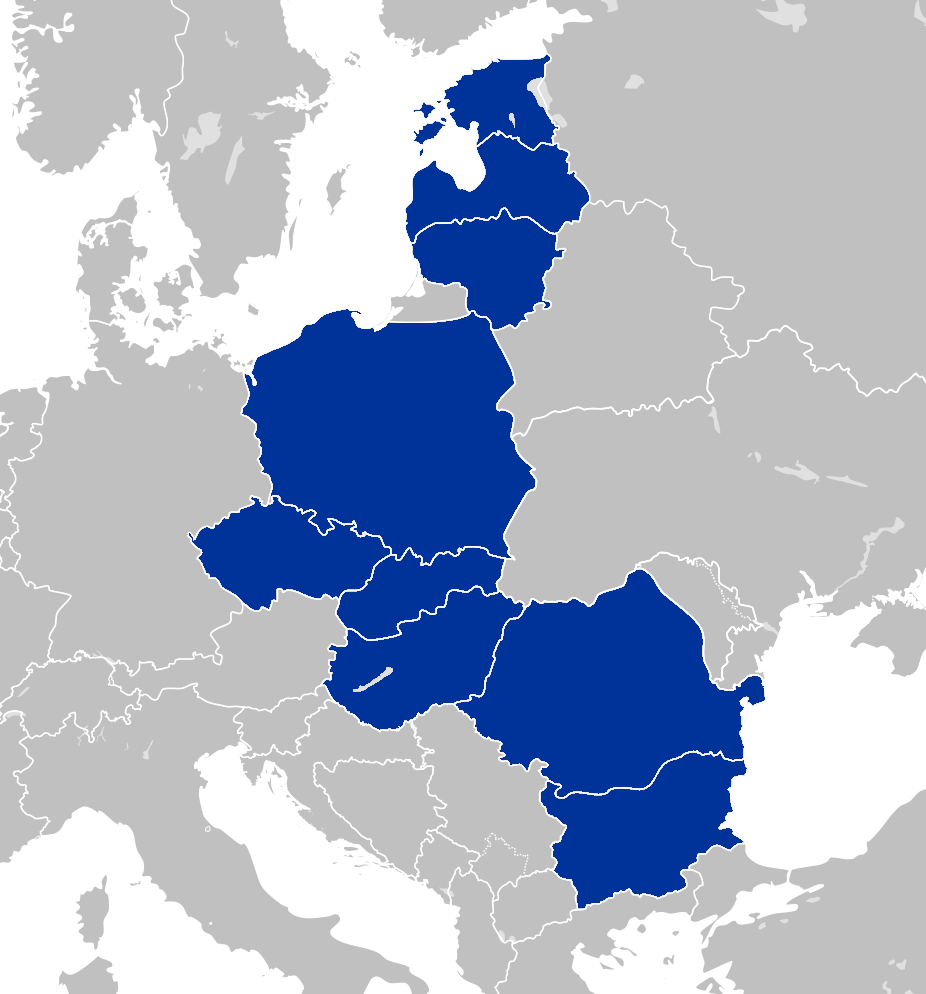
Despite significant financial commitments, NATO's eastern flank exhibits a troubling unevenness in military readiness, posing a substantial threat to rapid troop deployment during a potential conflict. A new report by Globsec reveals a critical "readiness divide," where some nations boast agile, pre-delegated decision systems while others are hampered by slower, sequential frameworks. This disparity highlights persistent vulnerabilities in decision-making, mobility, and sustainment, directly impacting the alliance's ability to deter and respond effectively.

New analysis from Bellingcat reveals approximately 80 Iranian police stations and related law enforcement infrastructure have been damaged or destroyed in the initial three weeks of the United States and Israel's ongoing war against Iran. These widespread strikes, verified through open-source intelligence methods including satellite imagery, represent a strategic effort beyond traditional military targets, aiming to degrade the Iranian regime's internal 'repressive capacity' and reportedly render the country 'ungovernable'.