Military & Defense
451 articles · Coverage updated continuously

US Defense Secretary Pete Hegseth lauded Indo-Pacific allies and partners at the Shangri-La Dialogue for significantly enhancing their defense capabilities and commitment to regional security. His remarks underscored a strategic imperative for collective strength, framing it as essential for maintaining peace amidst evolving geopolitical dynamics. This recognition highlights a concerted regional effort to build robust defenses and foster interoperability, crucial for deterring potential aggression and ensuring a stable balance of power. This renewed focus on regional defense capabilities emerges against a backdrop of increasing strategic competition, particularly concerning China's expanding military footprint across the Indo-Pacific. The emphasis on shared security objectives reflects a broader US strategy to reinforce alliances and empower partners, creating a more resilient security architecture in a critical global theater.
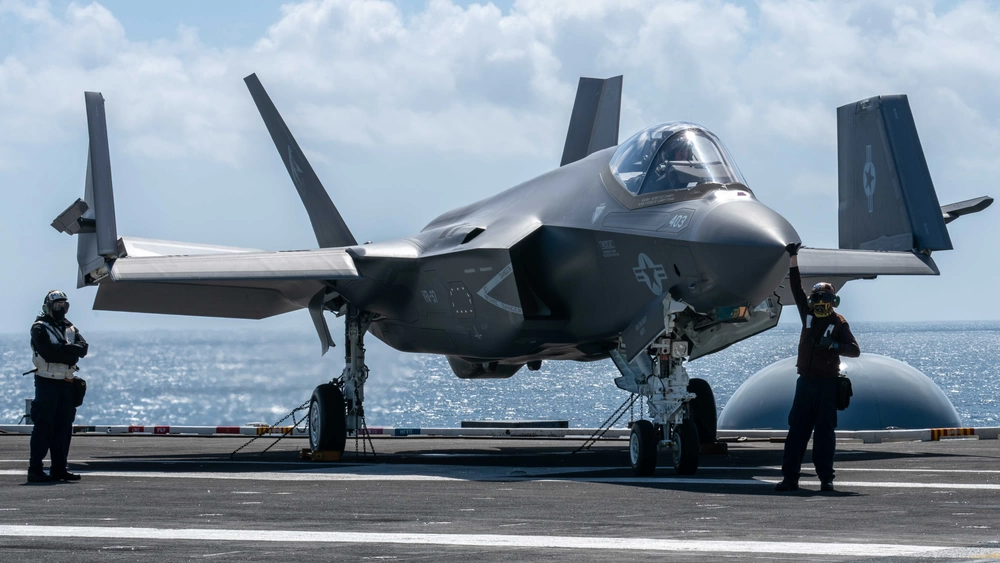
The United States Navy is initiating a groundbreaking pilot program to power shore installations directly from its nuclear-powered aircraft carriers, beginning with Naval Station Norfolk this summer. This innovative approach aims to significantly bolster energy resilience and ensure mission assurance for critical military infrastructure, leveraging the immense power generation capabilities of a Ford-class vessel. The move signals a strategic pivot toward self-sufficient power solutions to mitigate vulnerabilities inherent in relying solely on civilian grids. This development unfolds against a backdrop of increasing geopolitical instability and a heightened focus on securing critical national defense assets. It represents a proactive measure to harden military bases against both physical and cyber threats targeting essential power supplies, ensuring operational continuity in contested environments.

A stark intelligence assessment from the United Kingdom's leading signals intelligence agency reveals that nearly half a million Russian soldiers have perished in Ukraine since the 2022 full-scale invasion. This unprecedented figure redefines previous Western estimates of Russian battlefield losses, underscoring a far more profound human cost to Moscow's aggression and casting new light on its military sustainability. The disclosure provides critical context for understanding the evolving tactical landscape and Russia's capacity for sustained large-scale operations. This significant update arrives as Western officials increasingly observe a shifting advantage on the battlefield, with Ukrainian forces demonstrating greater operational momentum and Russia struggling to achieve decisive breakthroughs. The revised casualty figures compel a re-evaluation of the strategic environment, impacting national security calculations and defense planning across NATO member states.

The United States Space Force has awarded SpaceX a substantial contract, valued at over four billion dollars, to advance its Space-Based Airborne Moving Target Indicator (SB-AMTI) program. This critical initiative aims to rapidly deploy a satellite constellation designed to detect airborne threats, directly addressing pressing national security requirements for persistent, global surveillance. The move underscores a strategic pivot towards space-based intelligence, surveillance, and reconnaissance (ISR) capabilities. This significant investment highlights the Department of the Air Force’s urgent response to evolving geopolitical landscapes and the proliferation of sophisticated anti-access/area-denial (A2/AD) systems employed by potential adversaries. Shifting AMTI capabilities into orbit represents a crucial step in maintaining a decisive information advantage in contested environments.

The U.S. Army is fast-tracking critical software upgrades to forces operating in CENTCOM, directly leveraging innovations from a recent collaborative hackathon. This rapid deployment signifies a concentrated effort to integrate disparate proprietary defense systems and enhance battlefield decision-making for deployed personnel.
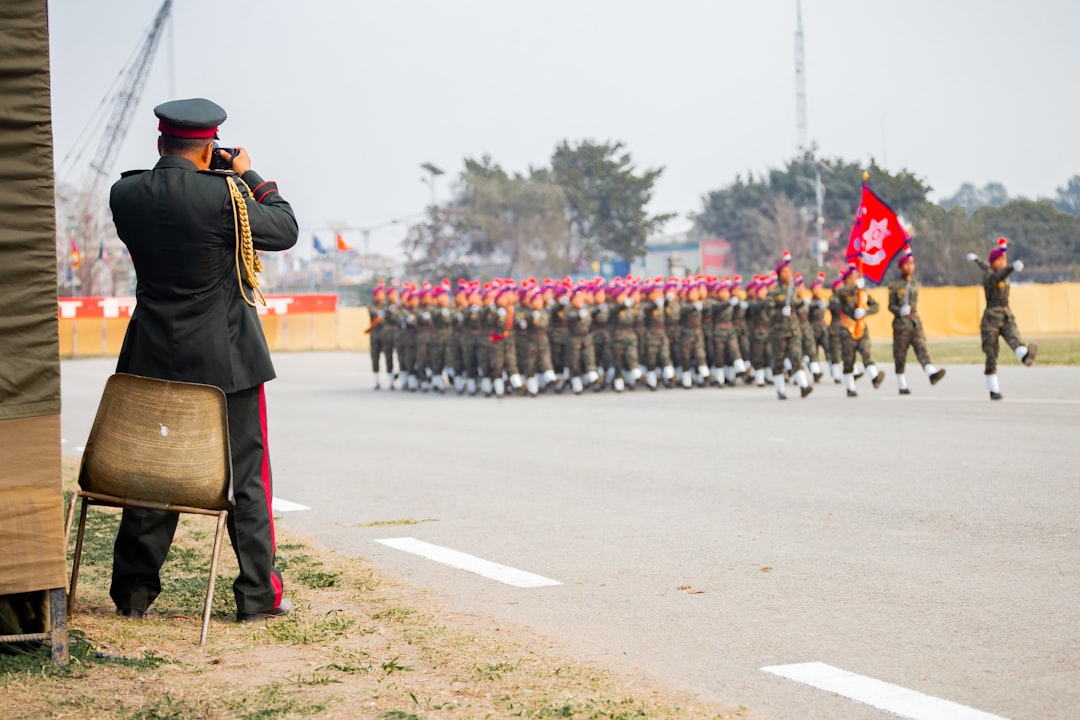
A prominent senator is advancing legislation to establish a dedicated military branch focused solely on cyber operations, proposing its integration within the existing Army structure. This initiative reignites a long-standing discussion among defense strategists and lawmakers about the most effective organizational model to counter evolving digital threats and secure national interests.

A potential delay in a significant U.S. weapons package for Taiwan is poised to accelerate the island's strategic pivot toward self-sufficient and asymmetric defense capabilities. This shift signifies a tactical re-evaluation in Taipei, focusing on unconventional means to counter a numerically superior adversary rather than conventional technological parity. Such developments have immediate implications for regional security and the delicate balance of power in the Indo-Pacific. This situation unfolds against a backdrop of escalating geopolitical tensions, with Washington navigating its relationship with Beijing while upholding its commitment to Taiwan's defense. The perceived reliability of U.S. security assistance is a critical factor influencing Taiwan's military modernization path and could reshape deterrence calculations in the Taiwan Strait.

New Zealand's recent budget demonstrates a clear strategic pivot, protecting its defense and intelligence agencies from broader governmental spending reductions. This substantial financial commitment underscores a national prioritization of security capabilities in an increasingly complex geopolitical environment, moving beyond simple austerity measures.
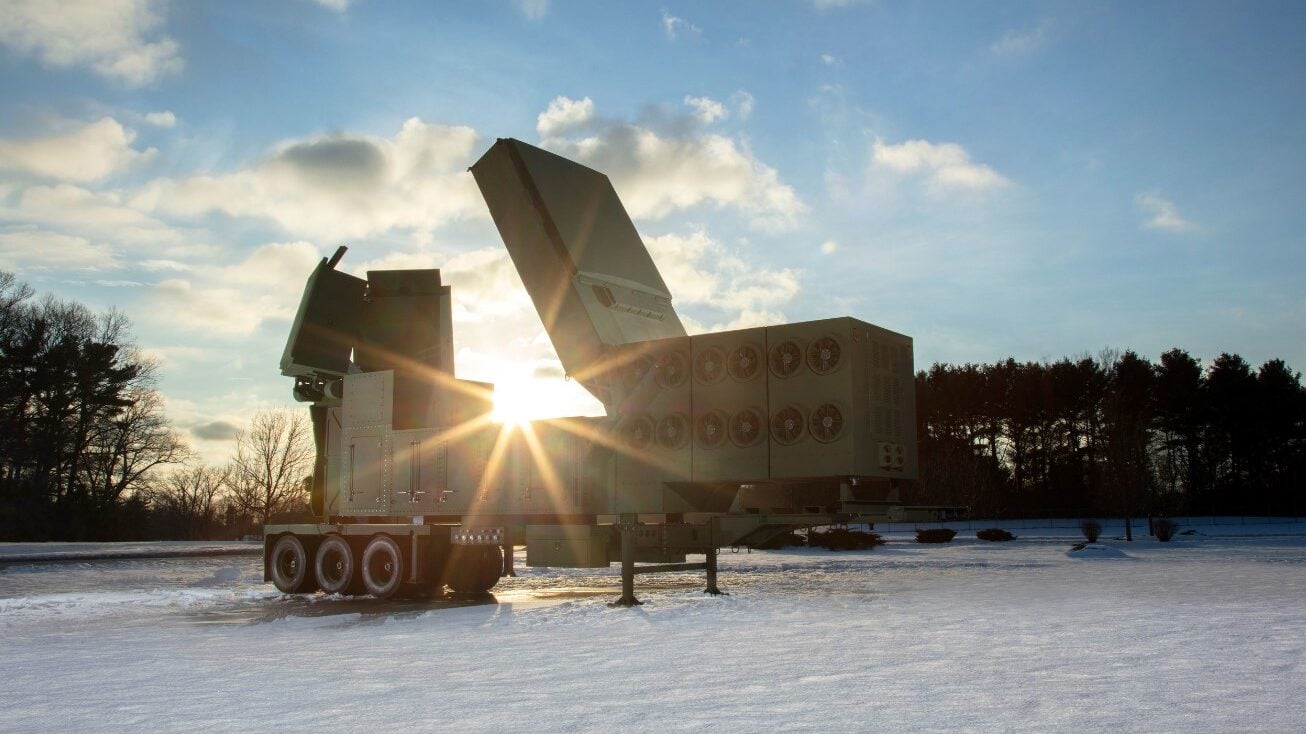
The U.S. Army has reportedly deployed rapidly modified systems to the Middle East, a direct result of an intensive, ongoing hackathon designed to enhance battlefield interoperability. This aggressive thirty-day initiative aims to break down data siloes between legacy and new equipment, driven by insights from contemporary conflicts and a pressing need for accelerated capability integration.
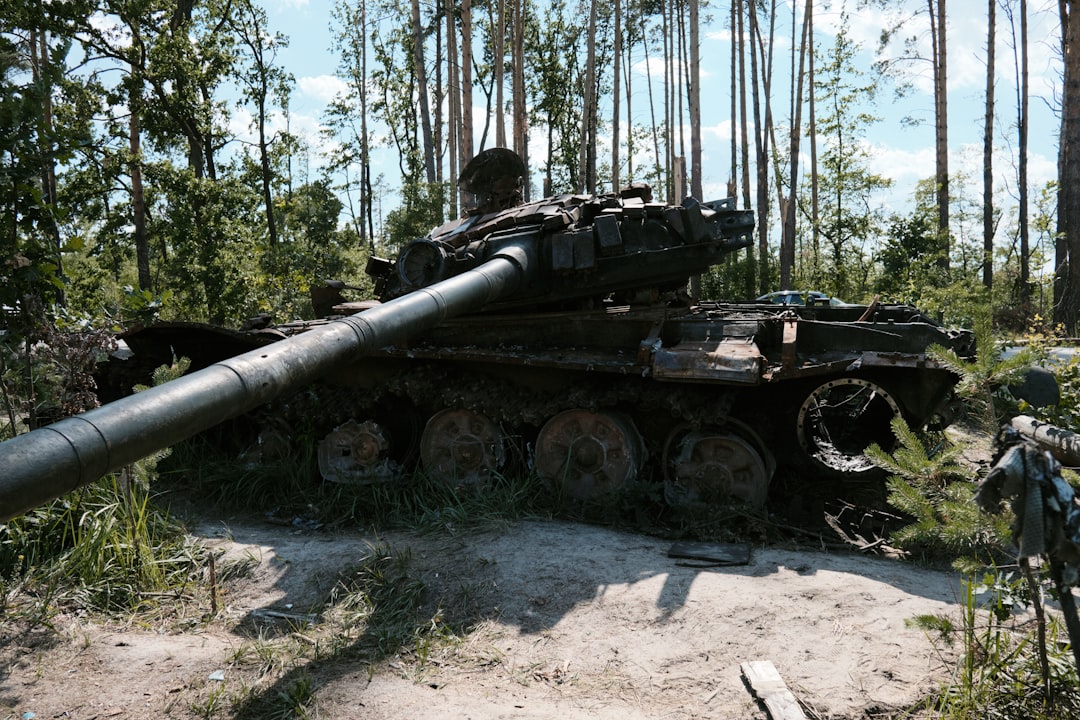
Sweden's commitment to supply Ukraine with Gripen C/D fighter jets marks a pivotal development in the ongoing conflict, promising a significant enhancement to Kyiv's aerial defense capabilities. Crucially, the potential integration of advanced Meteor long-range air-to-air missiles with these aircraft could fundamentally alter the tactical landscape, specifically targeting Russia's increasingly prevalent glide bomb attacks. This strategic pairing is poised to challenge Moscow's current air superiority in frontline regions.
Recent satellite imagery has revealed a substantial expansion of military infrastructure surrounding China's remote nuclear missile silo fields. This ambitious construction effort appears designed to significantly bolster Beijing's ability to withstand a potential first strike and guarantee a retaliatory response, marking a critical escalation in strategic competition.

Recent reports suggest a potential breakthrough in US-Iran relations, with an understanding reached on extending a ceasefire and easing specific economic pressures. While a complete resolution remains elusive, this development signals a significant diplomatic effort to de-escalate regional tensions and address ongoing disputes.