Military & Defense
456 articles · Coverage updated continuously

Two U.S. service members have been reported missing in southern Morocco during the extensive African Lion joint military exercises, prompting a large-scale search-and-rescue operation. U.S. Africa Command (AFRICOM) and the Moroccan Royal Armed Forces confirmed Sunday that partner forces are actively using ground, air, and maritime assets to locate the personnel near a training site cliff.
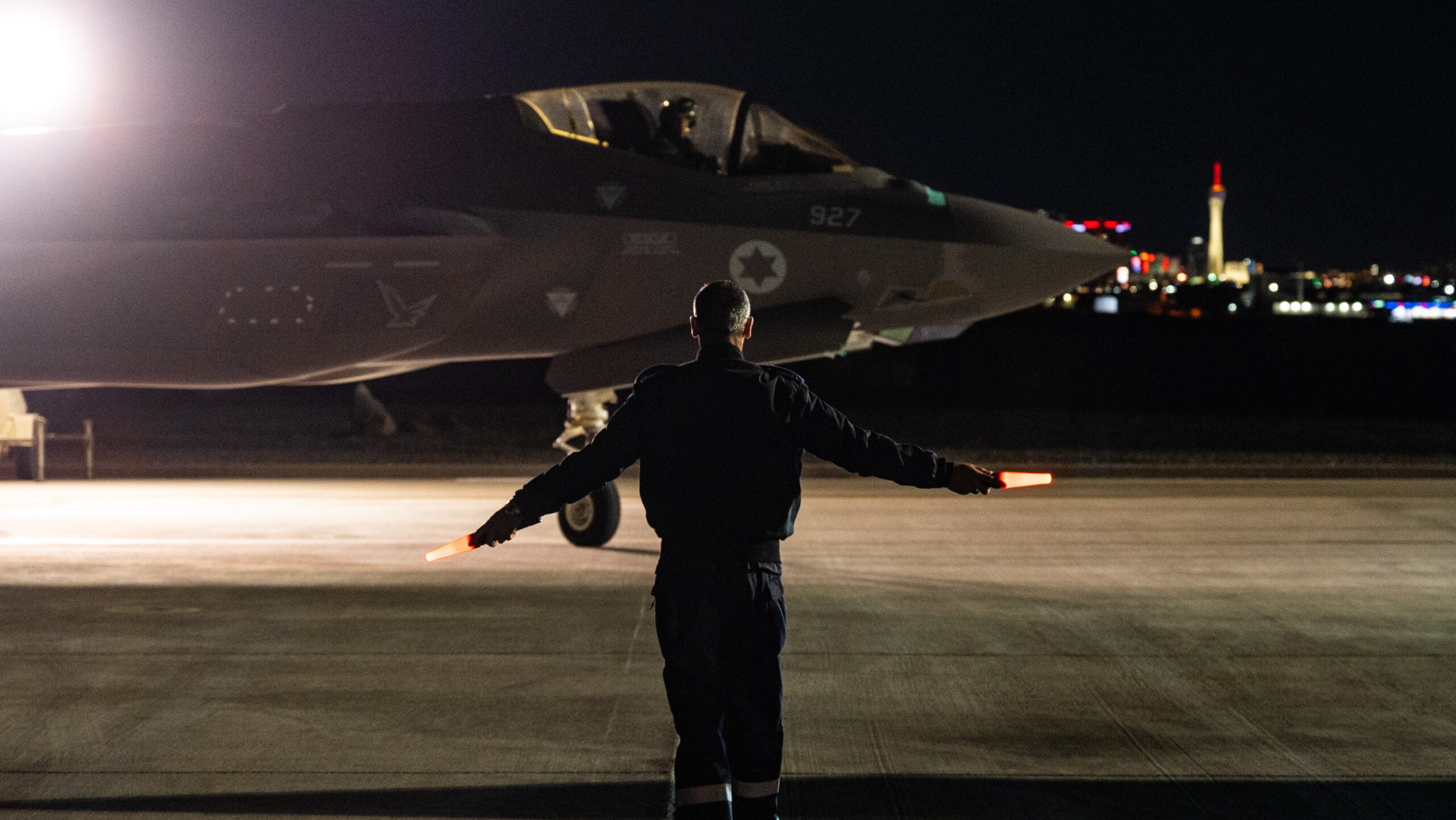
Israel's Ministry of Defense has announced a significant expansion of its air power, acquiring a fourth squadron of F-35 Joint Strike Fighters and a second squadron of F-15IA fighter jets. This substantial deal, involving 50 new warplanes, aims to cement Israel's strategic air superiority and address evolving regional threats following recent conflicts, particularly with Iran.

Defense Secretary Pete Hegseth has directed the withdrawal of approximately 5,000 US troops from Germany over the next year, a move confirmed by the Pentagon. This significant reduction in force posture comes amidst growing friction between the US and its NATO allies, exacerbated by recent tariff disputes and US military operations in the Middle East.

The U.S. Marine Corps has launched a sweeping overhaul of its reconnaissance training curriculum, replacing the foundational Basic Reconnaissance Course (BRC) with two new specialized programs. This significant update, which commenced on April 27, is a direct response to the service's Force Design initiatives aimed at enhancing readiness for future operating environments. The new Ground Reconnaissance Course (GRC) and Amphibious Reconnaissance Course (ARC) will now serve as the initial pipeline for Marine Reconnaissance.
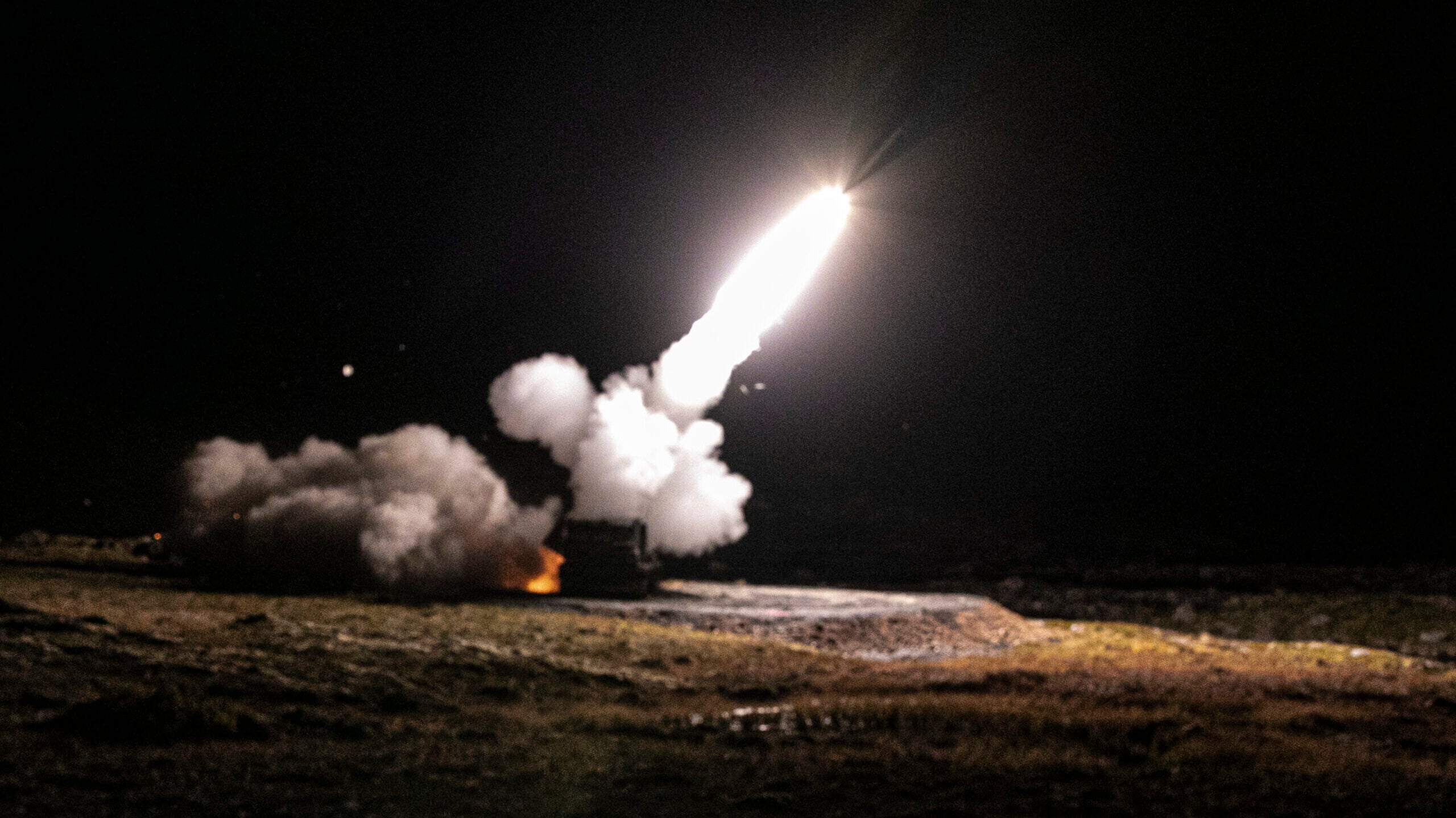
Australia has committed AU$126.9 million to establish a sovereign solid rocket motor manufacturing base, selecting Northrop Grumman to lead the initiative. This strategic investment aims to bolster the nation's defense industrial self-reliance and secure critical propulsion technology onshore. The program will leverage existing facilities to fast-track production, starting with GMLRS motors by 2030.
Norway has officially been informed by Washington of potential delays in deliveries of American-made weapons. This development aligns with similar warnings received by other Nordic and Baltic nations, as the ongoing conflict in the Middle East strains US stockpiles and global supply chains.

The U.S. Space Force has officially completed the decades-long rollout of its GPS III satellite constellation with the launch of the final satellite, SV-10, last month. This crucial milestone significantly enhances position data accuracy and jam-resistance for both military and civilian users worldwide. However, the service is already pivoting to the next iteration, with the even more resilient GPS IIIF system slated to begin launches in May 2027.

The U.S. is reportedly shutting down its Civil-Military Coordination Center (CMCC) near Gaza, a military-run body established to monitor the Israel-Hamas ceasefire and facilitate aid. This move represents a significant setback for the Trump administration's broader Gaza peace plan, undermined by ongoing regional instability and the CMCC's perceived ineffectiveness.

The White House has officially nominated Lt. Gen. Doug Schiess to become the third Chief of Space Operations, setting the stage for a critical leadership transition within America's newest military service. Schiess, currently the Space Force’s deputy chief of operations, is poised to succeed Gen. Chance Saltzman amidst a period of unprecedented growth and strategic expansion for the service. His appointment comes as the Space Force navigates an increasingly contested orbital domain and significant budget increases.

The newly established Marine Corps Portfolio Acquisition Executive (PAE) is poised to significantly accelerate acquisition decisions for Project Dynamis, the service's critical contribution to joint all-domain command and control (CJADC2). This new leadership structure aims to overcome traditional "Valley of Death" challenges, ensuring rapid transition of innovative capabilities from demonstration to deployment. The move is expected to streamline the integration of mature technologies into the battlespace.
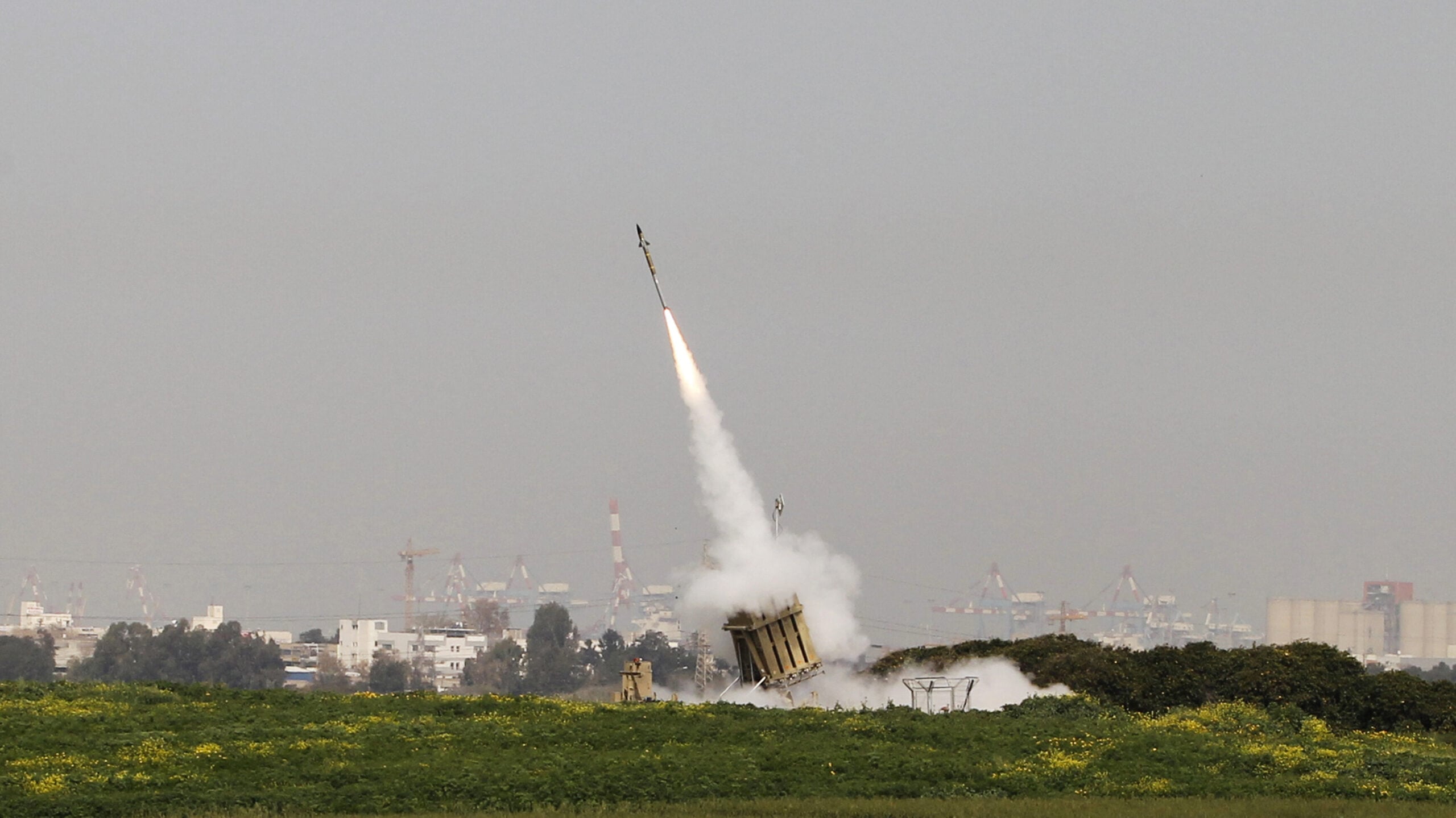
The Israeli Ministry of Defense and Rafael Advanced Defense Systems have delivered the initial batch of Tamir interceptors to the US Marine Corps, a critical step for the Marines' Medium Range Intercept Capability (MRIC) program. This delivery marks a significant advancement in establishing a new, mobile air defense system tailored for expeditionary warfare. It integrates Israel's combat-proven Iron Dome technology to protect forces against a wide range of aerial threats.
The U.S. Navy is poised to restart procurement of P-8A Poseidon aircraft in fiscal year 2027, ending a two-year pause. This move coincides with the announcement of initial operational capability for the P-8A Increment 3 Block 2, a significant suite of upgrades designed to bolster the aircraft's crucial maritime intelligence, surveillance, and reconnaissance (ISR&T) capabilities. The FY27 budget allocates over $4.2 billion for 12 new aircraft and additional funding for these advanced modifications.