Military & Defense
458 articles · Coverage updated continuously
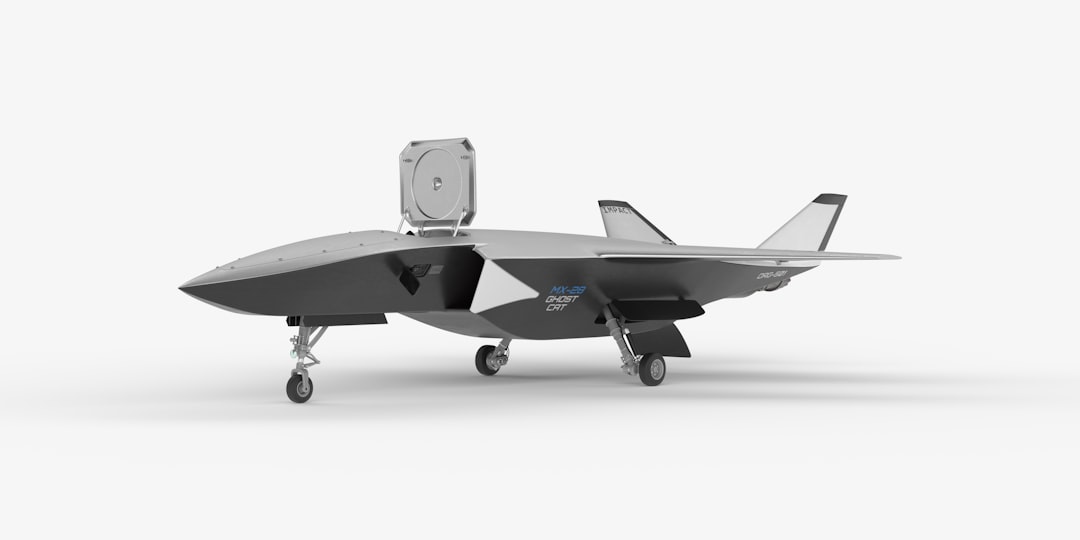
The U.S. Army is establishing a specialized drone and electronic warfare training unit in Germany, even as the Pentagon plans to significantly reduce its troop presence in Europe. This move highlights a critical pivot towards adapting to modern battlefield realities, leveraging advanced technology to counter evolving threats exemplified by conflicts like Ukraine.

Despite a recent U.S. Naval Forces Central Command warning about maritime explosive devices, the Pentagon asserts that a secure lane remains open for vessels transiting the Strait of Hormuz. Defense Secretary Pete Hegseth's guarantee comes as the U.S. actively seeks to restore freedom of navigation through the critical, embattled sea passage. Commercial shipping has been instructed to use an enhanced security area south of the traditional traffic separation scheme.

A fragile ceasefire in the Middle East has crumbled as the U.S. and Iran openly exchanged fire in the Persian Gulf, raising alarms about the stability of vital global energy transit routes. This escalation, centered on control of the Strait of Hormuz, has plunged efforts to unblock the critical waterway into renewed conflict, endangering international shipping and energy supplies.
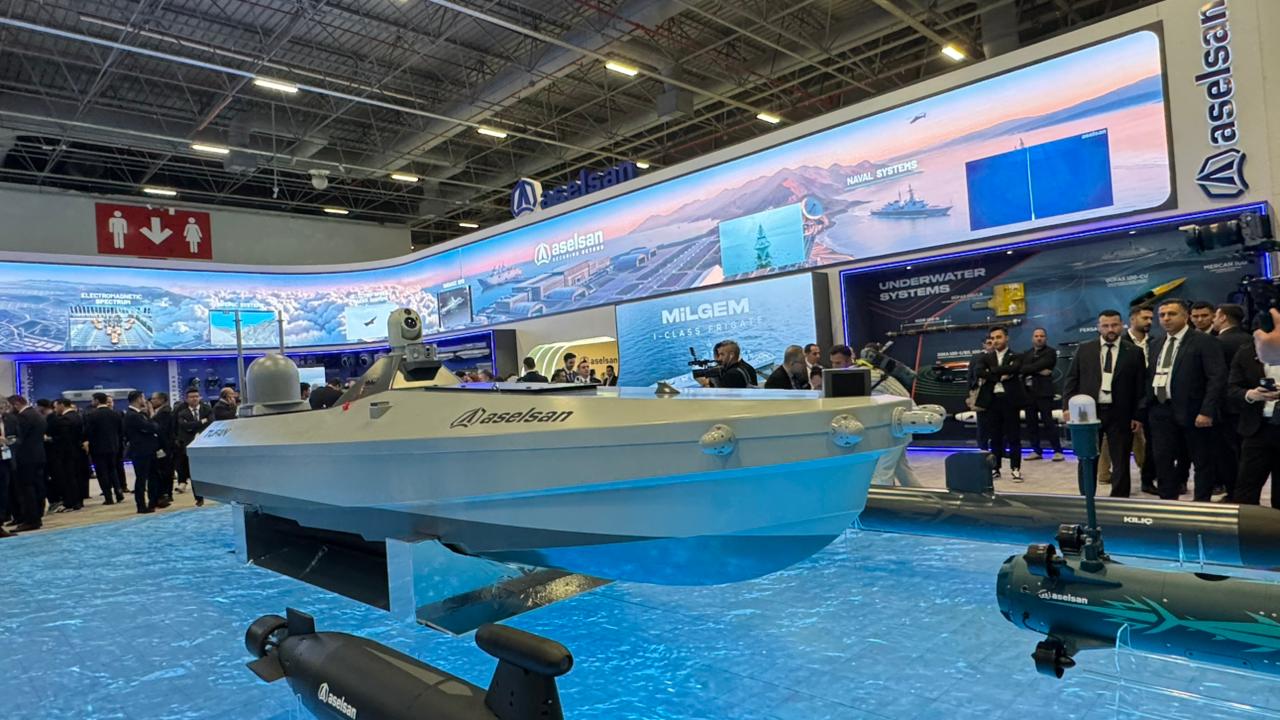
Turkey significantly expanded its unmanned warfare capabilities at SAHA 2026, unveiling at least five new homegrown one-way attack drones and unmanned naval systems. These platforms, developed by giants like Aselsan and Baykar, highlight a strategic focus on cost-effective, swarm-capable systems for both aerial and maritime domains. The move underscores Turkey's ambition to leverage unmanned technology to enhance naval security and suppress enemy defenses.
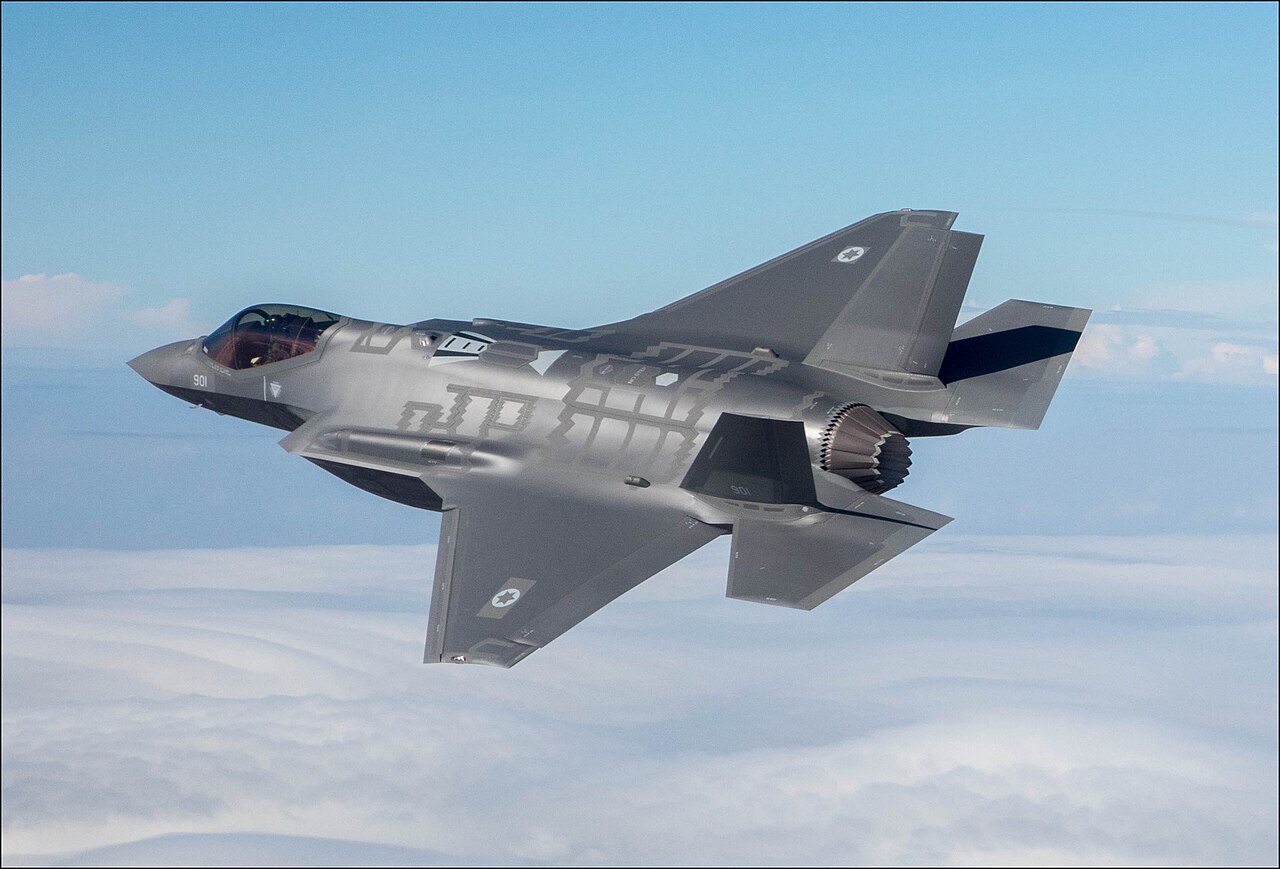
Israel's military is signaling its intent to acquire approximately 50 new F-35 and F-15 fighter jets, a move poised to significantly enhance its aerial capabilities. This ambitious procurement plan underscores a strategic push to modernize the Israeli Air Force's fleet. The acquisition aims at maintaining its qualitative military edge in a volatile Middle East.

The Pentagon has announced key nominations for top leadership roles within the U.S. Navy and Air Force, signaling significant shifts in critical command structures. Rear Adm. Joseph Cahill is tapped to become the Navy's chief surface warfare officer, while Lt. Gen. Daniel Tulley is slated to lead Air Mobility Command, notably under a recently downgraded rank.

The U.S. Army has successfully test-fired a Tomahawk cruise missile from its new Typhon launcher during the Balikatan joint military drills in the Philippines. This marks a significant demonstration of long-range precision strike capabilities in the Indo-Pacific, a move that has drawn considerable attention from regional powers, particularly China. The exercise underscores evolving U.S. and Philippine defense postures amidst rising geopolitical tensions.

Germany's long-range strike ambitions face a significant setback as the Trump administration reportedly shelves a Biden-era plan to temporarily deploy Tomahawk cruise missiles and SM-6 interceptors in the country. This decision, coupled with a planned withdrawal of thousands of U.S. troops, leaves Germany with a confirmed capability gap, according to Defense Minister Boris Pistorius. Berlin now scrambles to accelerate domestic and European solutions amid increasing uncertainty regarding American cooperation.
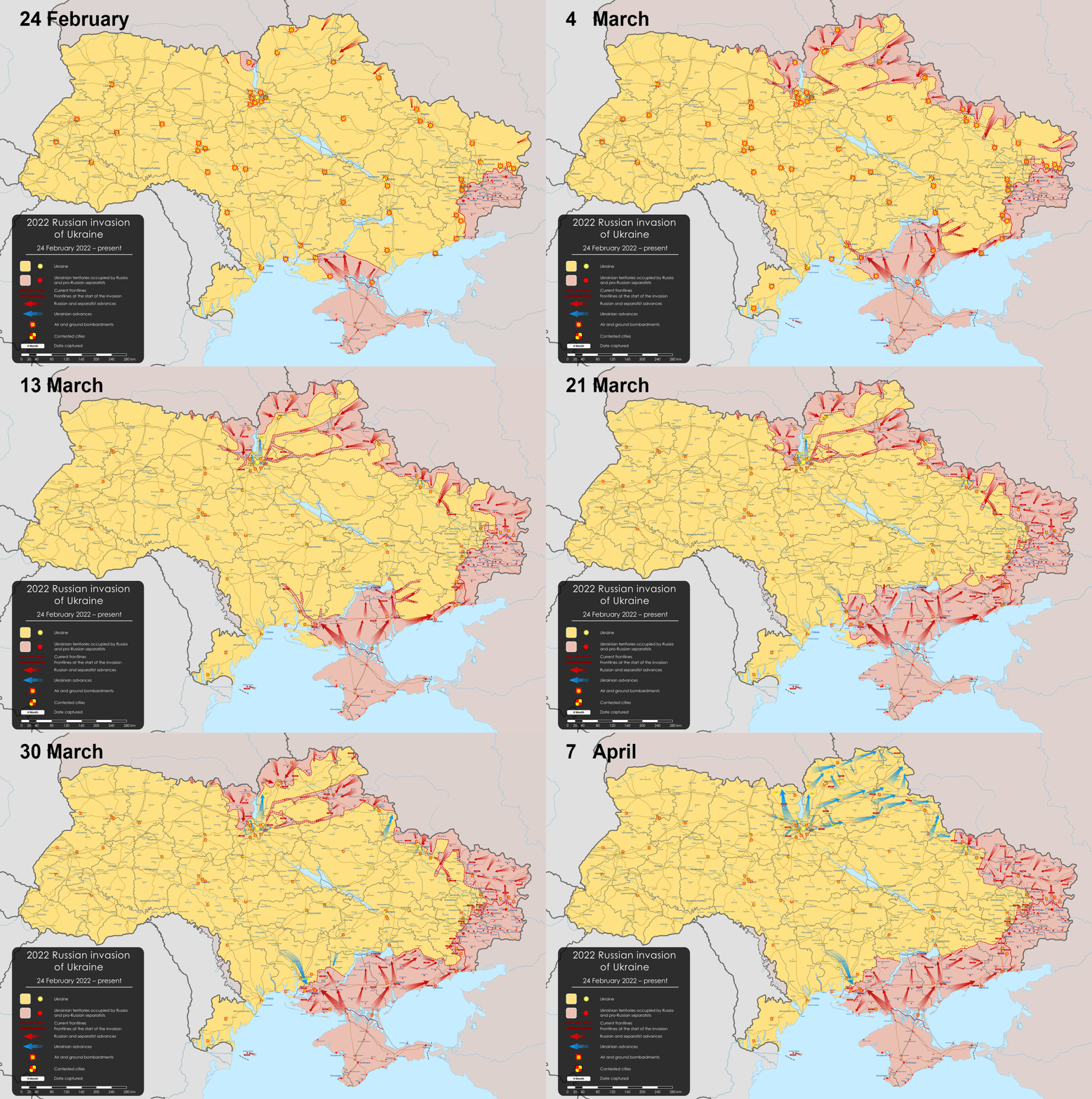
Ukraine's President Zelenskyy is pushing to lift the nation's arms export ban as early as this year, responding to significant international interest in its combat-proven military technology. This strategic shift aims to capitalize on Ukraine's wartime innovations, particularly in unmanned systems and anti-drone solutions, and attract crucial investment for its burgeoning defense industry.

Jim Bridenstine, the former administrator of NASA, has been appointed CEO of Quantum Space, a startup focused on advanced space capabilities. This strategic move positions a prominent figure in American space exploration at the helm of a company poised to deliver highly maneuverable spacecraft critical for emerging US national security needs, including cislunar operations and counter-space missions.

Near Taiwan's southern tip, American, Filipino, and Japanese forces recently conducted a crucial live-fire counter-landing exercise, simulating the repulsion of an amphibious assault in the South China Sea. This rigorous training, part of the annual Balikatan exercise, showcased advanced joint force synchronization, leveraging HIMARS, drones, and unmanned vessels to prove combat readiness. It underscores a strategic commitment to deter military aggression and secure regional stability in the Indo-Pacific.
The United States has launched 'Project Freedom' in the Strait of Hormuz, deploying significant military assets to secure a critical global shipping lane. While US forces are actively engaging Iranian threats, analysts caution that commercial shipping may be slow to return, raising questions about immediate effectiveness and sustained risk to US personnel.