Military & Defense
450 articles · Coverage updated continuously
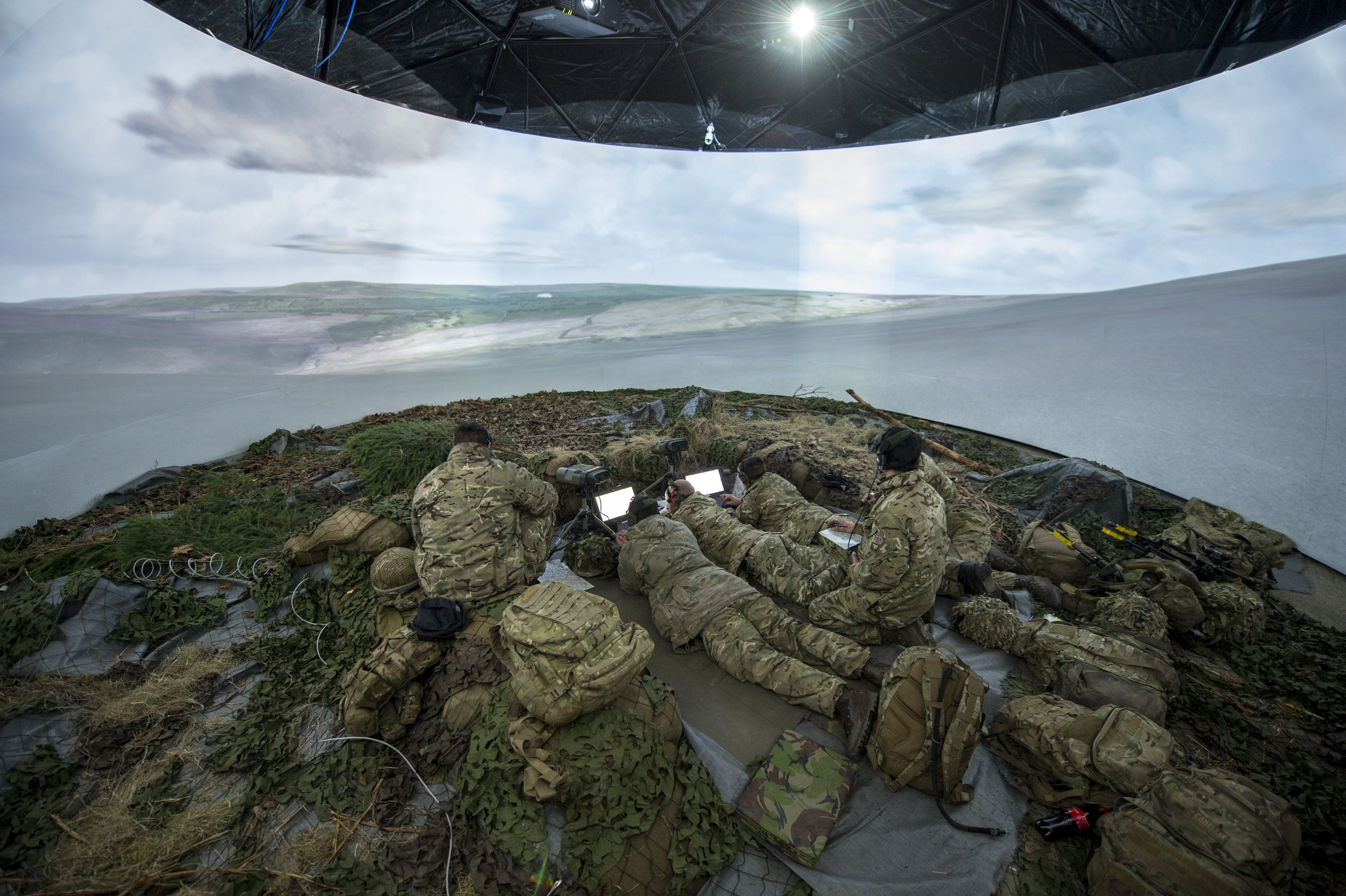
Europe's collective security hinges on the ability of its member states to achieve seamless operational coordination, a challenge amplified by legacy simulation systems and disparate data environments. A unified, integrated modeling and simulation (M&S) framework is emerging as a critical enabler, transforming how multinational forces prepare for complex threats. This approach is poised to significantly accelerate joint readiness and enhance decision-making across the NATO alliance. This strategic imperative unfolds against a backdrop of escalating geopolitical tensions, the proliferation of hybrid warfare tactics, and rapid advancements in military technology. Modern M&S capabilities offer a vital tool for understanding, rehearsing, and adapting to these dynamic challenges without committing physical assets.
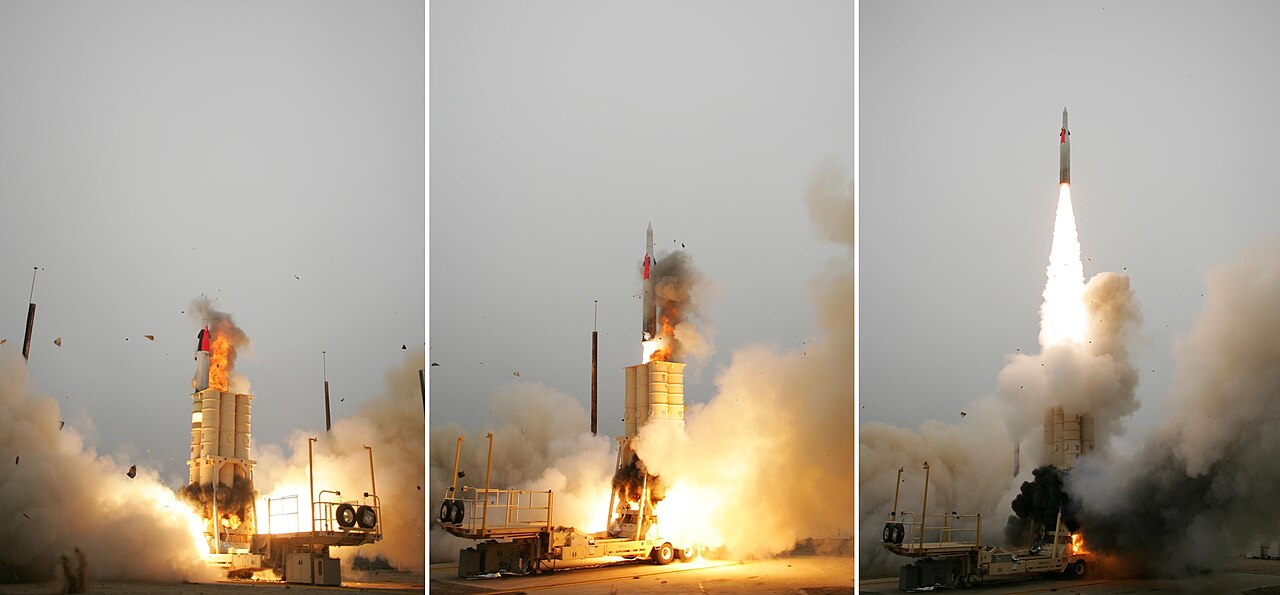
Malaysia's Defense Minister recently delivered a sharp public rebuke to Norway, condemning its unilateral decision to terminate a critical Naval Strike Missile (NSM) procurement agreement. This unexpected cancellation not only represents a significant setback for Malaysia's naval modernization efforts but also raises profound questions about the sanctity of international defense contracts and the reliability of strategic partnerships. The NSM system, a sophisticated anti-ship missile, is pivotal for enhancing maritime security capabilities in the contested waters of Southeast Asia. This incident unfolds against a geopolitical backdrop where great power competition and evolving export control regimes increasingly influence global arms transfers. Such unilateral actions risk eroding the foundational trust necessary for long-term defense cooperation, particularly impacting smaller nations seeking to bolster their sovereign defense postures.

Blue Origin's recent New Glenn heavy-lift rocket test pad explosion is not expected to significantly disrupt the United States Space Force's national security launch schedule. This assessment provides critical assurance amidst concerns for commercial space infrastructure failures, particularly since the incident at Cape Canaveral occurred just hours after a key NSSL Lane 1 contract award to the company, testing the resilience of defense space acquisition strategies. The incident unfolds against a backdrop of increasing strategic competition in space, where assured access to orbit is paramount for national defense. It underscores the growing reliance on private sector innovation while also highlighting the inherent risks in pushing the boundaries of space technology for national interests.
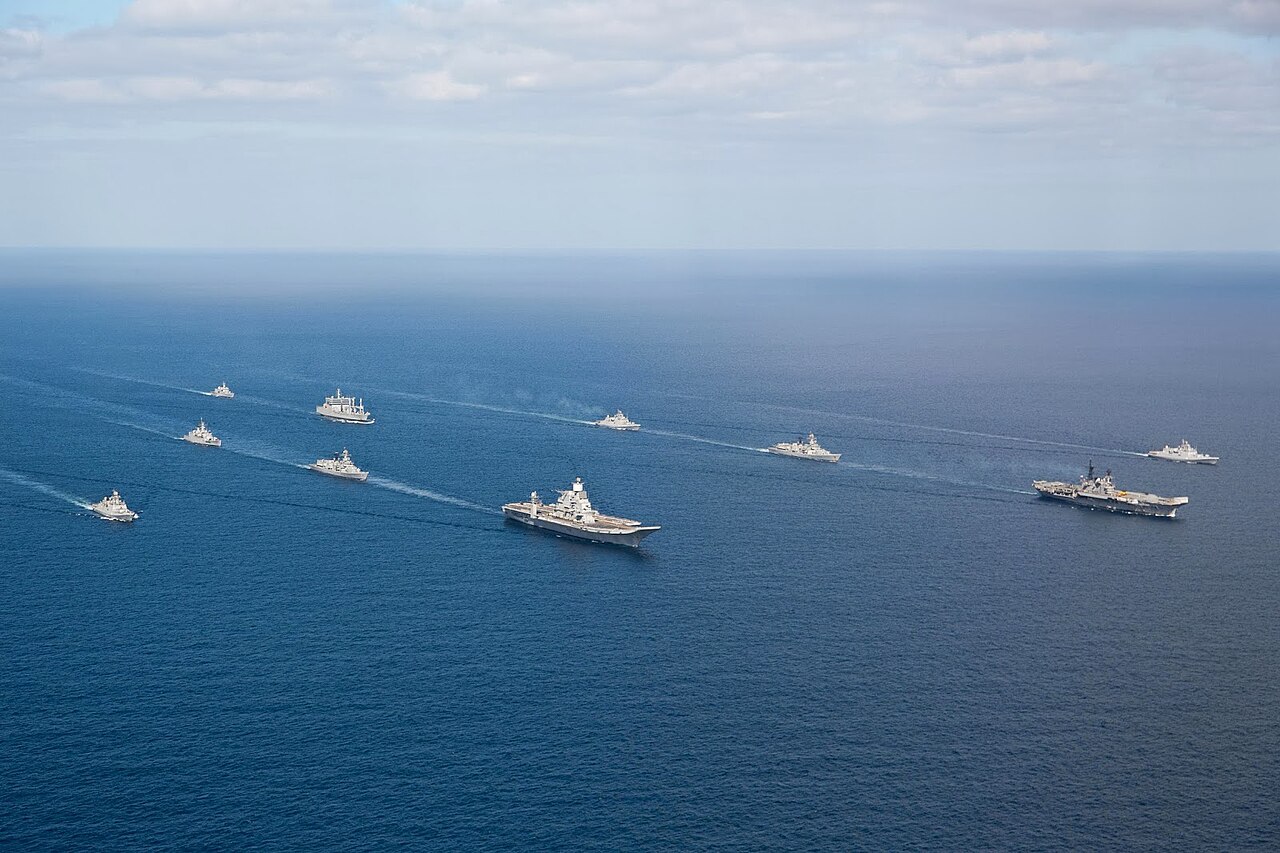
The U.S. Navy is making a strategic, multi-million dollar investment in advanced munitions development by establishing specialized innovation hubs, exemplified by the new Maryland Energetics Innovation Hub (MEIH). This initiative directly confronts persistent challenges in discovering, manufacturing, and integrating novel energetic materials vital for modern weaponry and propulsion systems. It aims to accelerate the transition of cutting-edge research into deployable capabilities, strengthening the naval arsenal. This proactive stance reflects a broader national security imperative to modernize the defense industrial base and ensure readiness for high-intensity conflict scenarios. By fostering public-private collaboration in critical technology areas, the Navy seeks to maintain technological superiority and enhance its capacity for sustained deterrence and global power projection.

The Department of Defense significantly reduced its civilian workforce by over ten percent in 2025, shedding tens of thousands of personnel, yet failed to conduct meaningful analysis of these drastic operational impacts. A Government Accountability Office (GAO) report highlights this critical oversight, underscoring potential vulnerabilities in defense support infrastructure and long-term institutional capabilities. This deficiency raises serious questions about the strategic planning underpinning the department's human capital decisions. These unassessed personnel cuts occur amidst an increasingly complex global threat landscape, where maintaining a robust and agile defense apparatus is paramount. The integrity and expertise of the civilian workforce are foundational to military readiness, technological superiority, and effective national security strategy.
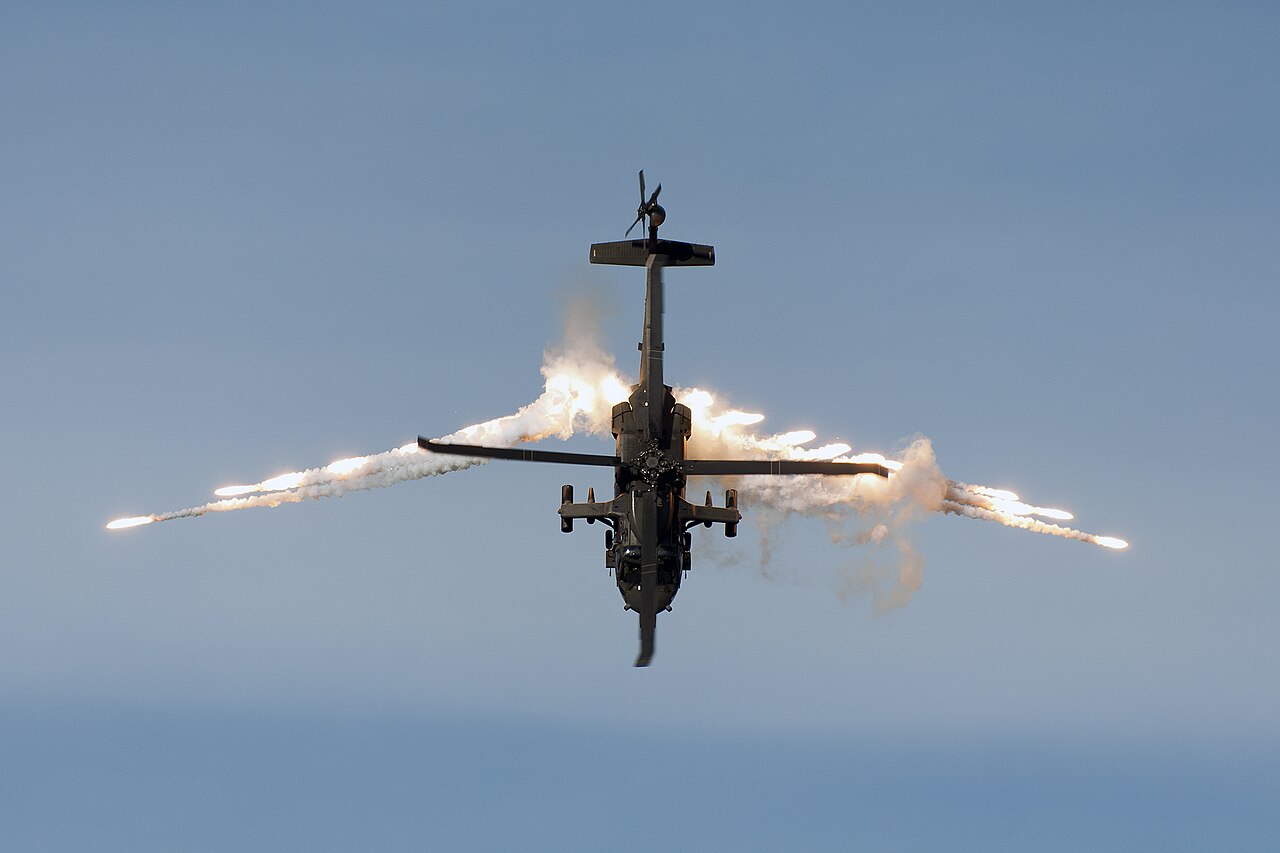
The United States Air Force has reinstated flight operations for its T-38 Talon training jets, concluding an extensive fleet-wide inspection initiated following a recent mid-May incident. This rapid return to service underscores the platform's critical role in maintaining the pilot production pipeline, minimizing disruptions to essential aviator development programs. The operational pause was a proactive safety measure, prioritizing personnel safety and asset integrity. This event highlights the ongoing challenges inherent in sustaining an aging yet foundational training fleet, particularly as global peer competition intensifies and demands for highly skilled aviators grow. Balancing operational readiness with the realities of vintage aircraft maintenance remains a persistent strategic concern.
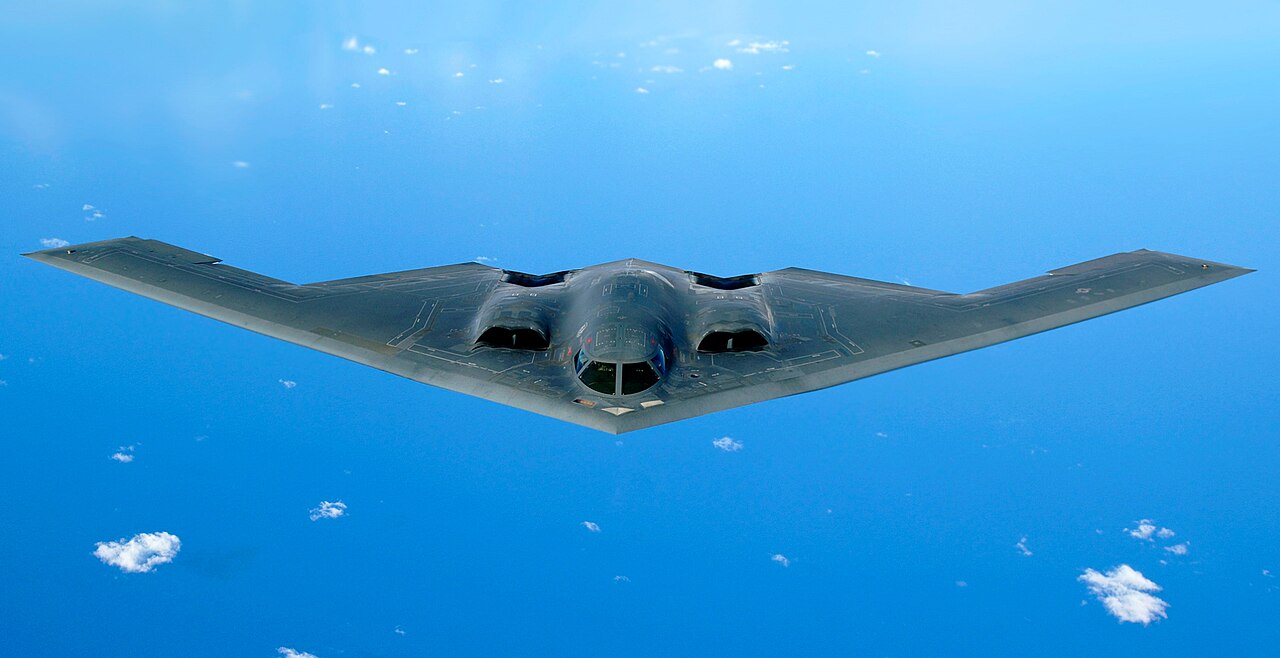
Aerospace powerhouse Northrop Grumman has joined forces with commercial space innovator Apex Space to advance capabilities for space-based interceptors (SBIs), targeting a key demonstration in 2027. This collaboration specifically supports the "Golden Dome" missile defense initiative, aiming to establish a robust protective layer against sophisticated ballistic threats. The partnership brings together established defense expertise with agile commercial satellite bus manufacturing for a critical national security objective. This development underscores a growing strategic pivot towards resilient, layered missile defense architectures, leveraging the scalability of commercial space. It reflects increasing global competition in advanced weaponry and the urgent need for comprehensive defensive measures in contested domains.

France has imposed significant restrictions on Israeli participation at the upcoming Eurosatory defense exhibition, banning official delegations and national pavilions while limiting displayed products exclusively to air defense systems. This move represents a clear escalation in political pressure, directly impacting the traditional operational norms of international defense trade shows. The decision isolates smaller Israeli defense firms accustomed to exhibiting under official government auspices, creating uncertainty for their market access. This development unfolds amidst a complex geopolitical landscape, underscoring persistent tensions and the politicization of defense procurement and technology showcases. It signals a notable shift in France's stance regarding defense industry engagement, potentially setting a precedent for future international events and influencing broader defense cooperation dynamics.

Japan's defense minister recently delivered a sharp rebuttal to Beijing's assertions of "new militarism," firmly defending Tokyo's evolving defense policies and expanding regional security cooperation. Speaking at a prominent security conference, Minister Shinjiro Koizumi underscored that Japan's increased defense investment and broader engagement are executed with utmost transparency and a clear focus on regional stability. This assertive stance comes amidst a notable shift in Japan's strategic orientation and its commitment to bolstering Indo-Pacific security. This exchange highlights the intensifying strategic competition and divergent security perceptions within the Indo-Pacific, where Tokyo's proactive defense posture is increasingly under scrutiny. It also reflects a broader geopolitical trend of nations enhancing their self-defense capabilities and forming new partnerships in response to shifting regional power dynamics.
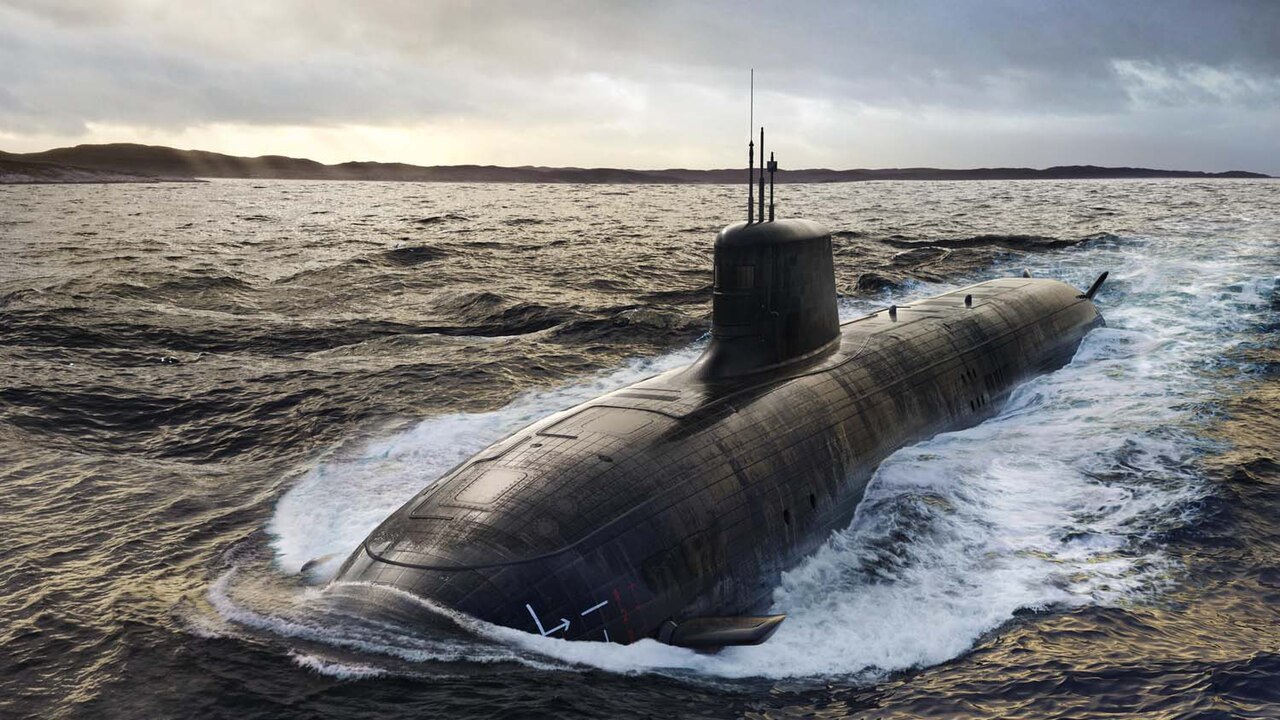
The AUKUS security pact has officially unveiled its first collaborative venture under Pillar Two, focusing on the joint development of Uncrewed Underwater Vehicle (UUV) technologies. This landmark agreement cements a trilateral commitment to pooling advanced capabilities, specifically targeting sensor and weapon payloads for deployment across all three nations' UUV fleets. Initial deliveries of these crucial components are anticipated to commence by 2027, signaling a tangible acceleration of sophisticated underwater warfare capabilities. This strategic alignment, announced during the Shangri-La Dialogue in Singapore, underscores a collective urgency to enhance maritime domain awareness and deterrence in an increasingly complex Indo-Pacific security environment. It reflects a proactive response to evolving naval threats and the critical need to safeguard vital undersea infrastructure against hybrid warfare tactics.

A senior U.S. Marine Corps General, leading forces across Latin America, recently held an exceptionally rare meeting with high-ranking Cuban military officials at the periphery of U.S. Naval Station Guantanamo Bay. This direct engagement marks a notable diplomatic channel amid escalating regional tensions and Havana's apprehensions regarding potential U.S. military actions against the island nation. Discussions focused on crucial operational security and force protection issues impacting the U.S. base. The dialogue unfolds against a backdrop of intensified U.S. pressure campaigns across Latin America, reflecting a robust posture towards challenging established regimes and securing hemispheric interests. This strategic environment places unique emphasis on even limited military-to-military communications as critical de-escalation mechanisms.

US Defense Secretary Pete Hegseth lauded Indo-Pacific allies and partners at the Shangri-La Dialogue for significantly enhancing their defense capabilities and commitment to regional security. His remarks underscored a strategic imperative for collective strength, framing it as essential for maintaining peace amidst evolving geopolitical dynamics. This recognition highlights a concerted regional effort to build robust defenses and foster interoperability, crucial for deterring potential aggression and ensuring a stable balance of power. This renewed focus on regional defense capabilities emerges against a backdrop of increasing strategic competition, particularly concerning China's expanding military footprint across the Indo-Pacific. The emphasis on shared security objectives reflects a broader US strategy to reinforce alliances and empower partners, creating a more resilient security architecture in a critical global theater.