Military & Defense
458 articles · Coverage updated continuously
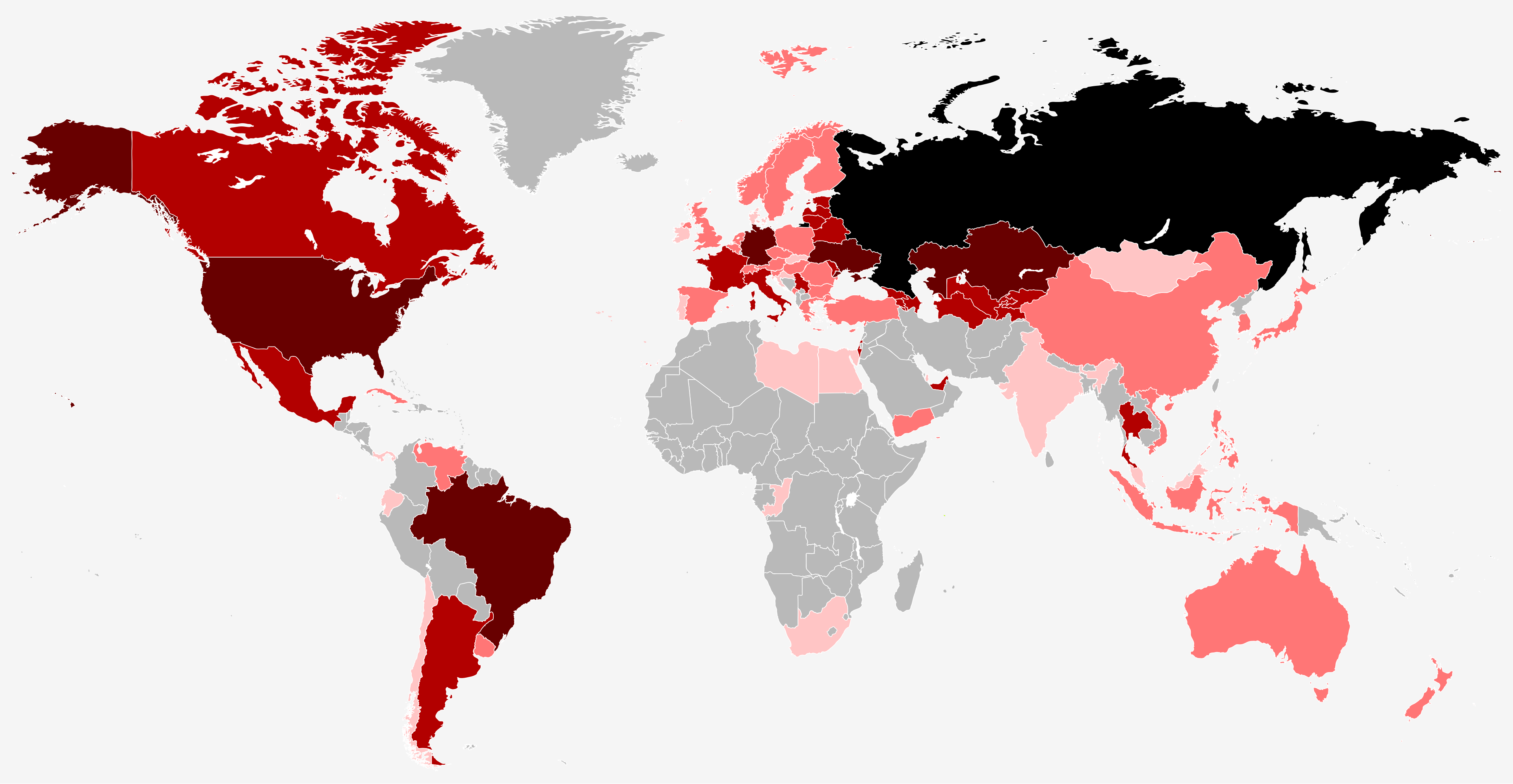
Russia's recent Victory Day parade in Red Square was notably subdued, departing significantly from its historical displays of formidable military hardware and personnel. This marked shift, interpreted by defense analysts, underscores Moscow's deep security concerns rather than its intended projection of power. The event's modest scale suggests an implicit acknowledgment of Ukraine's persistent and evolving long-range strike capabilities.
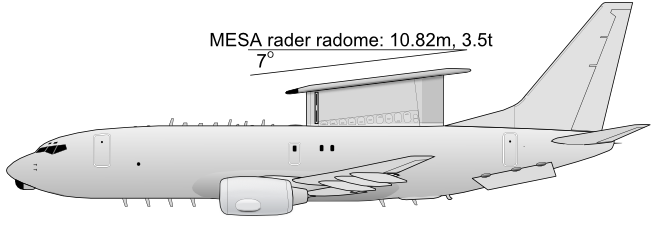
The Pentagon has reversed its earlier decision to cease funding for the E-7 Wedgetail airborne early warning aircraft, signaling a critical shift in defense acquisition strategy. This unexpected policy change follows intense congressional pressure and a re-evaluation of indispensable battlefield capabilities. Defense officials now acknowledge specific operational gaps that the E-7 platform is uniquely positioned to address.
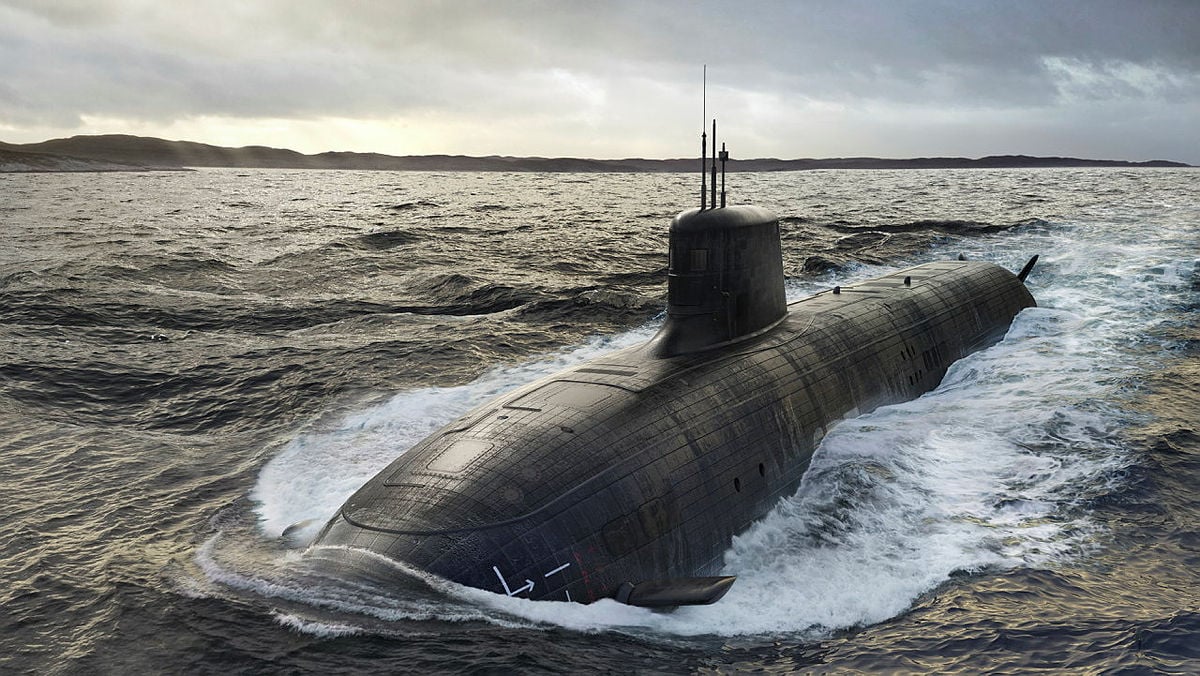
Canberra has unveiled a substantial defense appropriation for the upcoming fiscal year, committing over $45 billion US dollars to bolster its national security. This significant financial commitment highlights Australia's strategic focus on modernizing its military and expanding its regional influence, with particular emphasis on high-tech submarine acquisition and advanced offensive capabilities.

The financial burden of the ongoing conflict with Iran has escalated significantly, with Pentagon officials now estimating operational expenditures at approximately $29 billion. This substantial increase, announced during recent congressional testimony, primarily reflects the costs associated with repairing and replacing critical military hardware, notably excluding any damage to infrastructure.
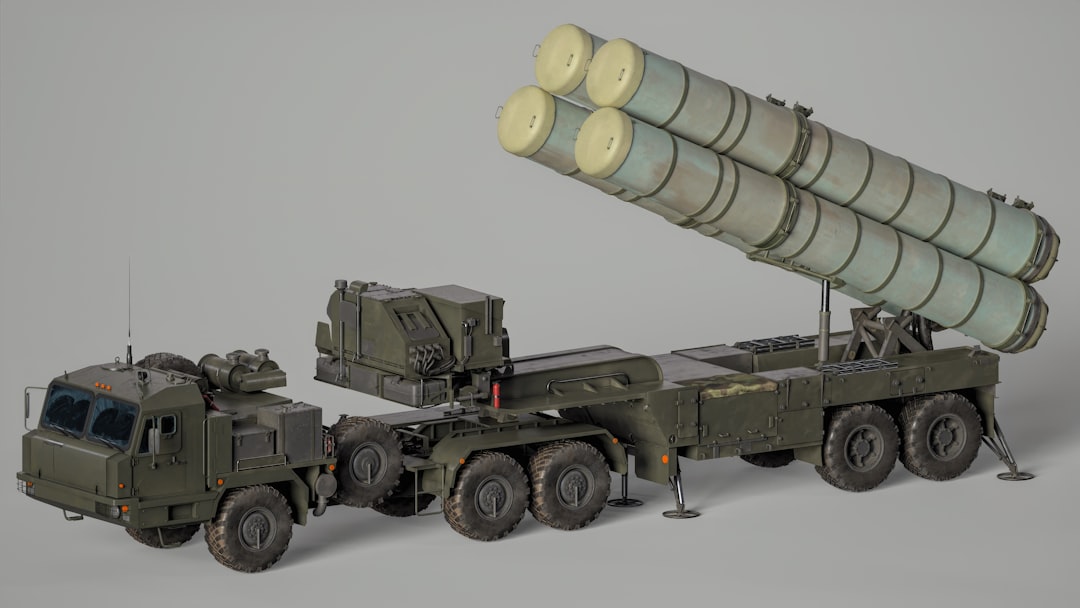
A significant strategic development unfolded in the Indo-Pacific recently as Japanese forces conducted their inaugural overseas firing of a Type 88 surface-to-ship missile. This unprecedented event, part of the annual Balikatan exercise in the Philippines, saw the missile successfully sink a decommissioned Philippine vessel, signaling a new phase in regional defense cooperation and Japan's evolving security posture.
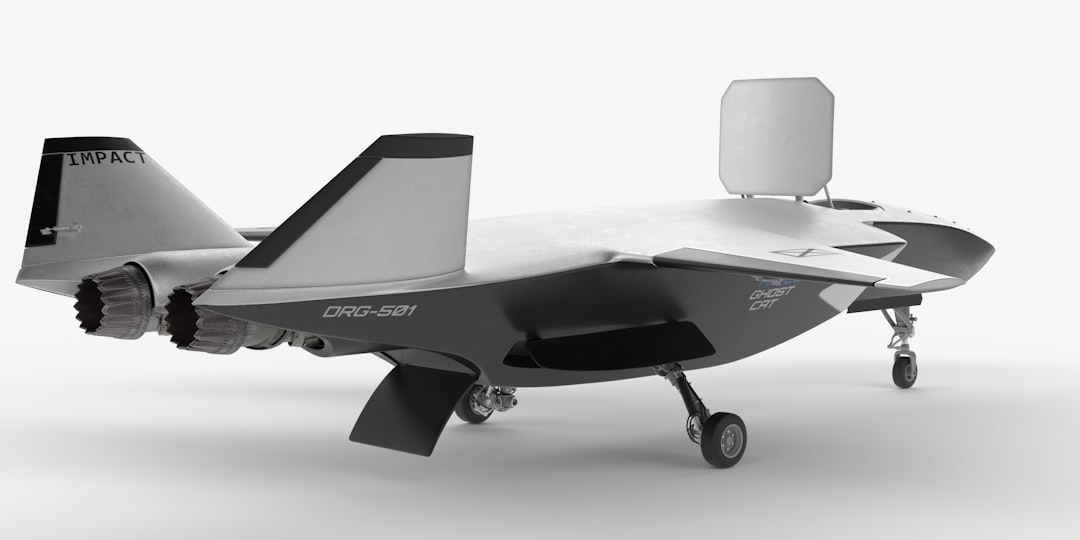
The U.S. Navy has published a detailed long-range shipbuilding strategy, marking a definitive commitment to integrate unmanned maritime systems into its core fleet structure alongside the reintroduction of a new class of powerful battleships. This comprehensive multi-decade plan outlines specific acquisition targets for autonomous vessels, moving beyond conceptual discussions to concrete procurement schedules.

A groundbreaking missile defense initiative, dubbed 'Golden Dome,' is projected to incur an astronomical cost of over a trillion dollars, according to a recent assessment by congressional budget analysts. This figure drastically surpasses the administration's current budget allocations, raising significant questions about the program's financial viability and scope. The disparity highlights a growing chasm between strategic ambitions and fiscal realities for such expansive defense projects.
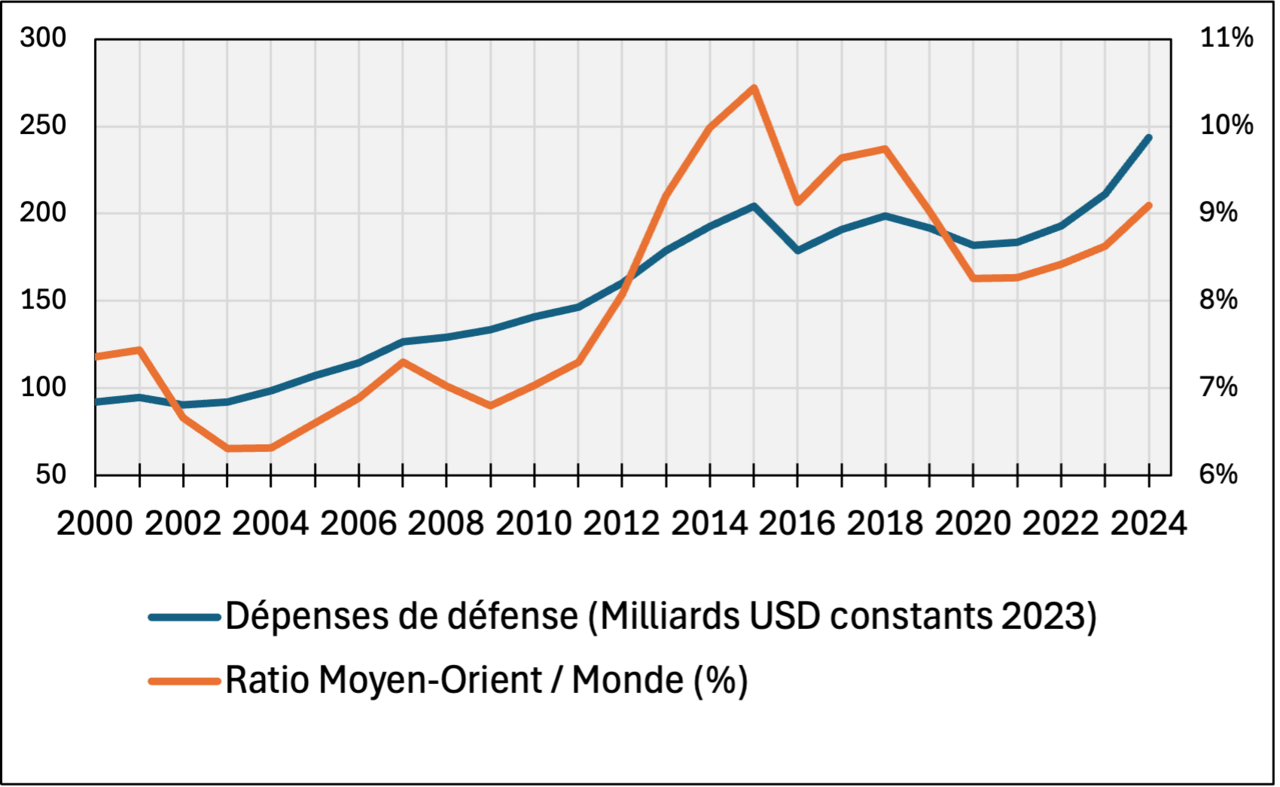
Lawmakers are voicing strong concerns over the Department of Defense's refusal to provide detailed accounting for the ongoing conflict with Iran, even as the administration seeks a significant defense allocation approaching one and a half trillion dollars for the upcoming fiscal year. This lack of transparency is hindering congressional oversight and budget reconciliation efforts amidst questions about the conflict's legal basis. The dispute underscores a deeper tension regarding executive authority and legislative accountability in wartime spending.

The U.S. Navy's latest shipbuilding strategy outlines a significant policy shift, indicating a willingness to explore international construction for specific portions of its future fleet. This pragmatic approach is driven by ambitious fleet expansion goals and recognized challenges within the domestic defense industrial base, aiming to accelerate procurement and diversify manufacturing capacity.
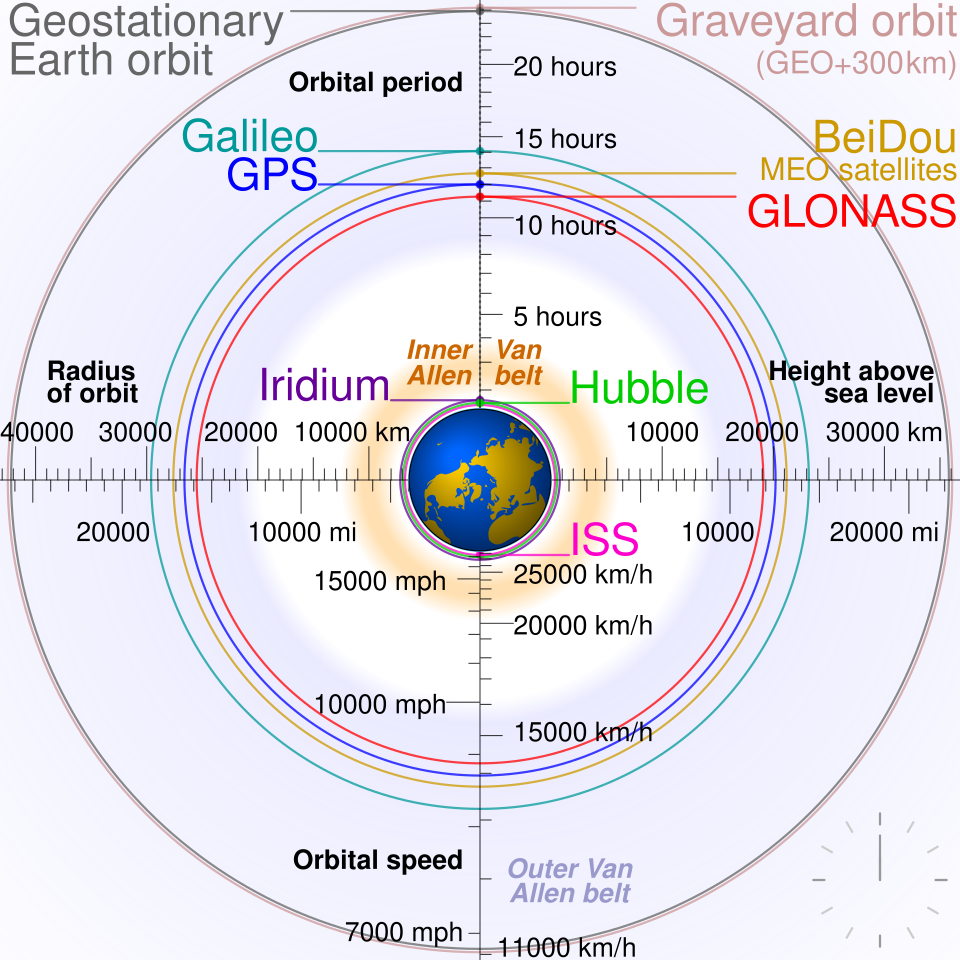
US Special Operations Command is advancing its tactical intelligence capabilities by adopting a new commercial software platform designed to deliver unclassified satellite imagery directly to frontline personnel. This initiative represents a significant push to integrate commercial space assets for enhancing situational awareness and operational responsiveness at the tactical edge. The system is engineered to dramatically shorten the intelligence cycle for special operators in dynamic environments.

Canada is actively pursuing a significant expansion of defense and industrial ties with Turkey, signaling a strategic pivot towards strengthening alliances among middle-power nations. This move reflects Ottawa's proactive approach to global security, aiming to build collective strength and shared industrial capacity outside traditional frameworks.
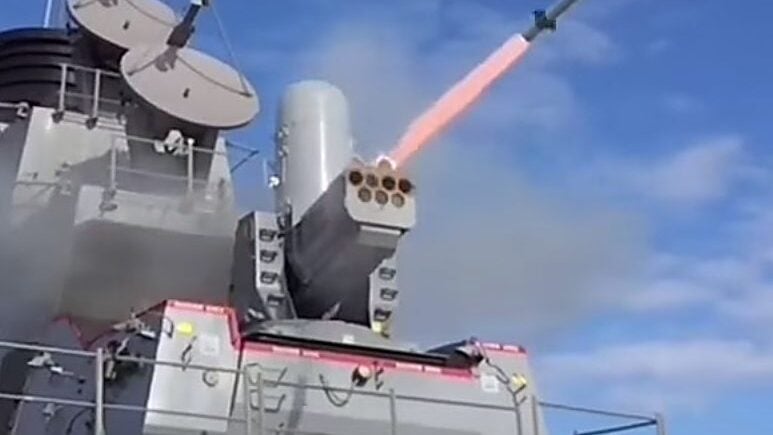
Australia is set to significantly bolster its naval self-defense capabilities with the adoption of Raytheon's SeaRAM system for its next-generation frigates. This strategic integration marks a critical step in modernizing the Royal Australian Navy's fleet and enhancing its layered defense against evolving airborne threats.