Military & Defense
456 articles · Coverage updated continuously
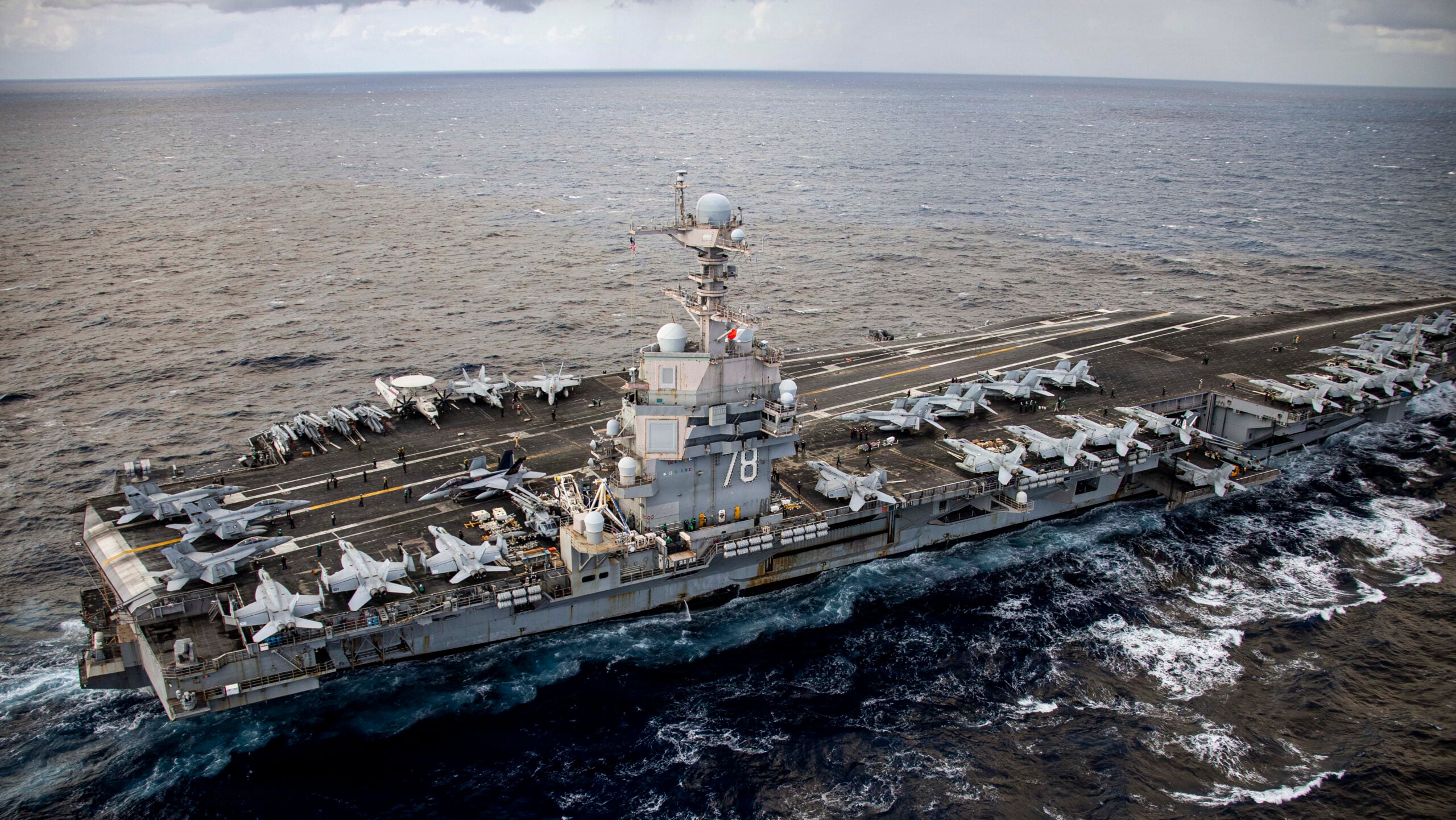
The U.S. Navy's forthcoming Trump-class battleship program will integrate the advanced nuclear propulsion system currently employed by the Gerald R. Ford-class aircraft carriers. This strategic choice aims to standardize critical components and enhance operational endurance for a new generation of capital ships.
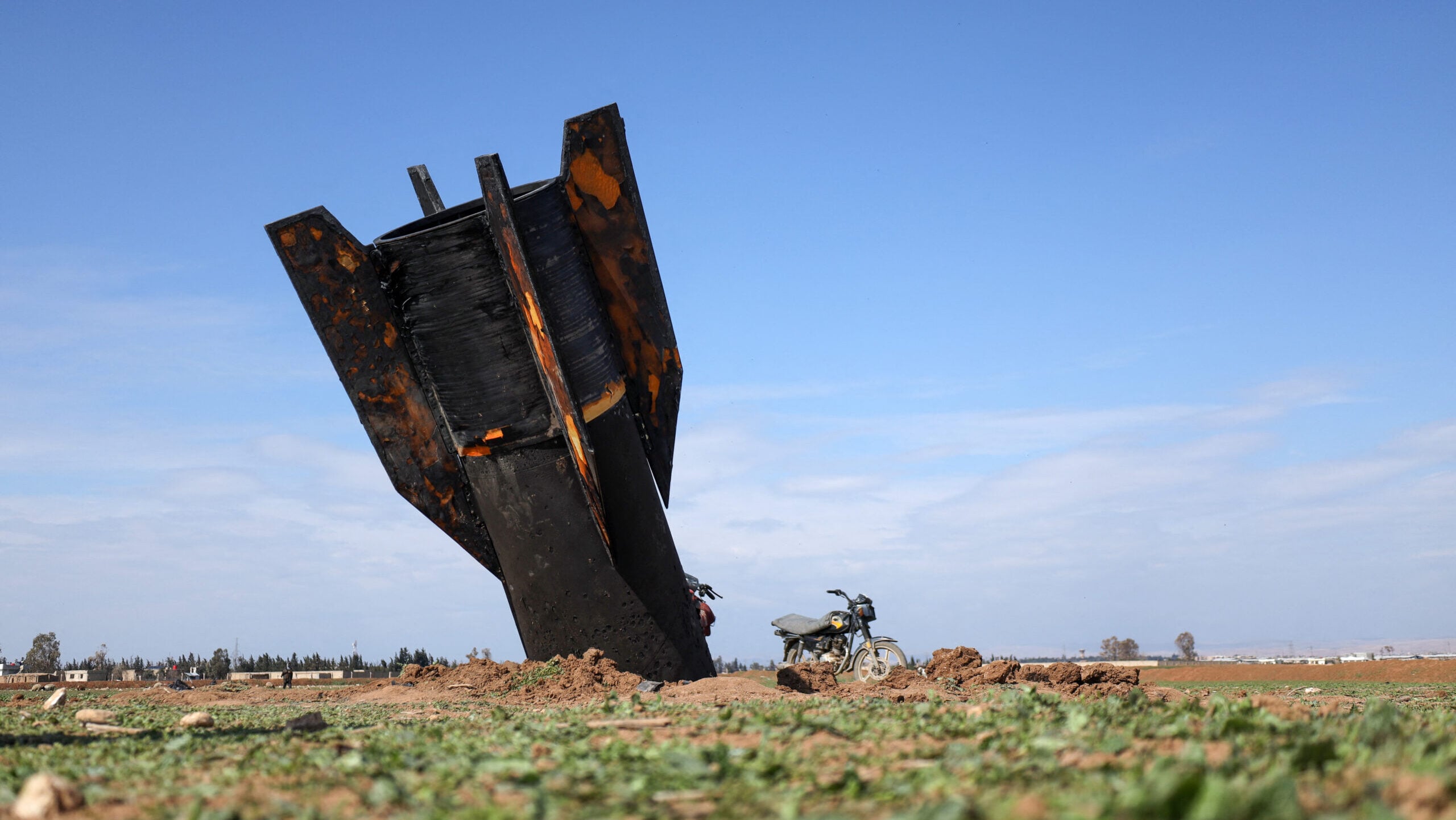
The recent protracted conflict in the Middle East offered unprecedented insights into Iran's missile and drone capabilities, providing a rare live-fire data set for defense analysts. While advanced missile defense systems largely mitigated casualties, the sustained exchanges highlighted evolving threats and potential vulnerabilities in regional security architectures.
The Pentagon's long-standing strategy of using agile workarounds to inject innovative technology into its ranks is proving insufficient for the demands of great power competition. Senior defense leadership now contends that these bypasses have not fundamentally improved the core acquisition system, hindering the ability to scale production and compete effectively against adversaries like China.

As the 119th Congress draws to a close, former Air Force officer and departing lawmaker Don Bacon is reportedly prioritizing key defense initiatives for his final legislative efforts. His imminent departure casts a spotlight on his remaining agenda, aiming to solidify his impact on national security policy before the session concludes.
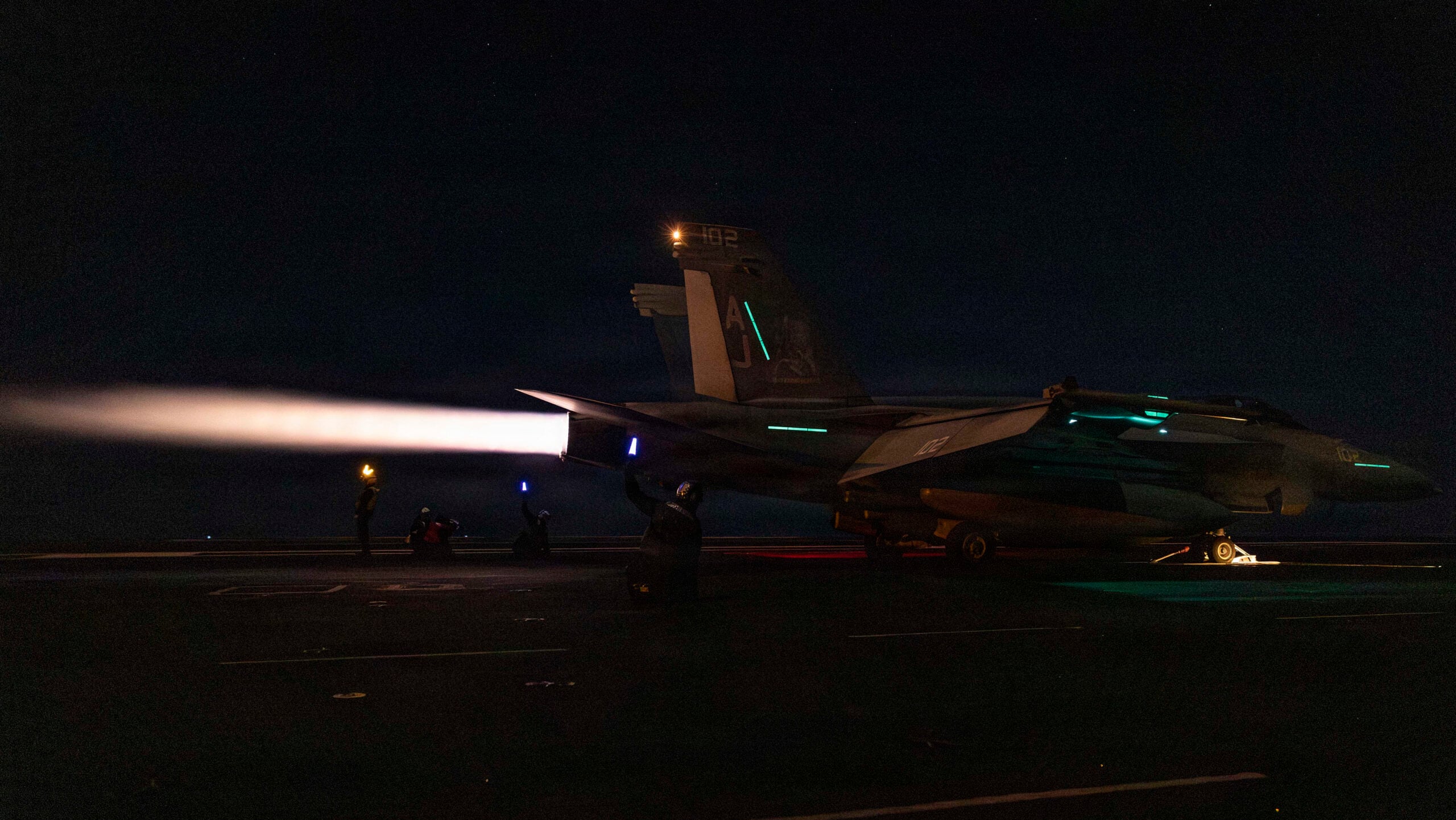
The U.S. Navy anticipates significant financial strain impacting its readiness programs this summer, a direct consequence of sustained global operational demands. This looming fiscal challenge threatens essential training and certification activities, critical for maintaining fleet readiness amid ongoing deployments in volatile regions.

The House Foreign Affairs Committee has advanced legislative measures designed to accelerate the process of U.S. weapon exports to allied nations. This move signals a strategic intent to bolster international security partnerships, particularly concerning critical defense capabilities for Taiwan. The actions reflect ongoing congressional efforts to enhance the efficiency of foreign military support.
As geopolitical tensions simmer, Taiwan stands as a critical strategic partner, lauded for its robust democratic governance and unparalleled contributions to global technology supply chains. Its steadfast commitment to self-defense and significant investments in crucial industries underscore its indispensable role in regional stability and international security.

The Department of Defense has initiated a major shift in munitions procurement, establishing framework agreements to acquire tens of thousands of low-cost cruise missiles. This strategic move leverages commercial-style partnerships with multiple vendors, signaling an updated approach to rapid defense acquisition and industrial base engagement.

The Pentagon's Chief Digital & AI Officer detailed the extensive deployment of the Maven Smart System during recent air operations against Iran, revealing a dramatic increase in its application for target identification and mission execution. This expanded reliance underscores the military's growing integration of artificial intelligence into critical battlefield decision-making processes.
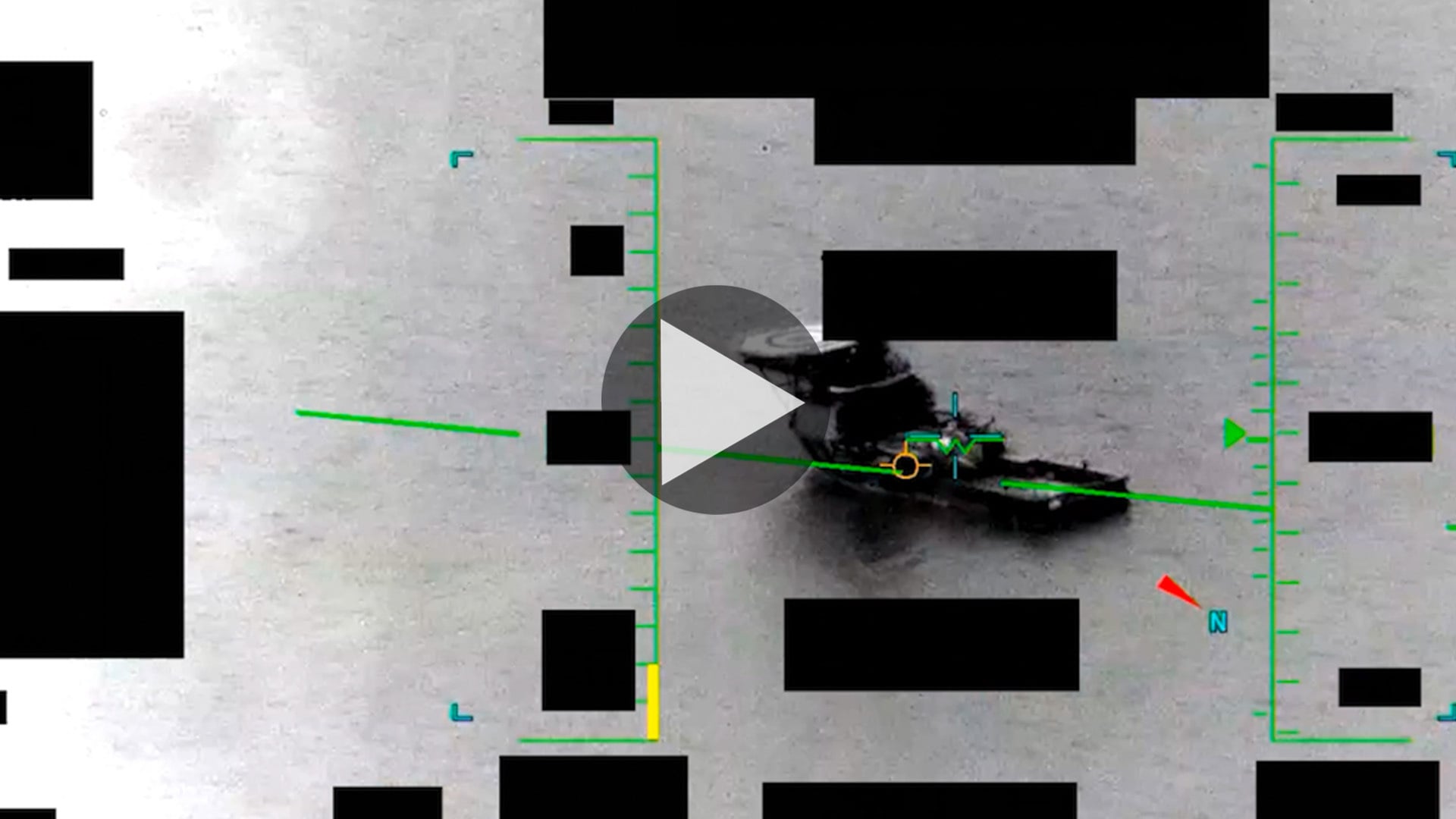
The Pentagon recently unveiled a new collection of imagery related to Unidentified Anomalous Phenomena, offering a glimpse into long-held observations, some dating back decades. This release provides a fresh perspective on the data considered by defense intelligence. Separately, a firsthand account details the operational experience of navigating the advanced CV90 armored combat vehicle in the challenging northern Swedish landscape.
Russia's recent Victory Day parade in Red Square was notably subdued, departing significantly from its historical displays of formidable military hardware and personnel. This marked shift, interpreted by defense analysts, underscores Moscow's deep security concerns rather than its intended projection of power. The event's modest scale suggests an implicit acknowledgment of Ukraine's persistent and evolving long-range strike capabilities.
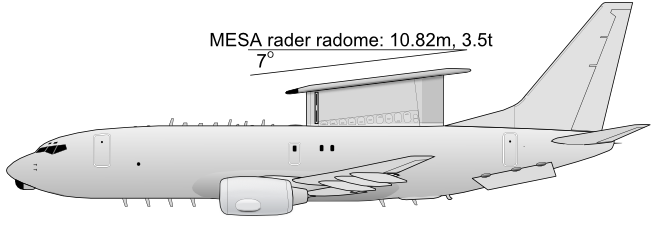
The Pentagon has reversed its earlier decision to cease funding for the E-7 Wedgetail airborne early warning aircraft, signaling a critical shift in defense acquisition strategy. This unexpected policy change follows intense congressional pressure and a re-evaluation of indispensable battlefield capabilities. Defense officials now acknowledge specific operational gaps that the E-7 platform is uniquely positioned to address.