Military & Defense
454 articles · Coverage updated continuously

The UAE's prominent defense conglomerate, EDGE Group, has finalized an agreement to secure a controlling interest in CMD, an Italian firm specializing in advanced engine design. This strategic acquisition is poised to significantly enhance EDGE's capabilities in propulsion systems for aeronautical, marine, and automotive sectors, furthering its global industrial ambitions.

The aircraft carrier USS Gerald R. Ford is concluding an unprecedented deployment this Saturday, marking an extraordinary period of continuous naval operations. This mission sets a new benchmark for endurance for its class, reflecting significant demands on modern naval assets.

Quantum Space is setting an ambitious target to produce up to one thousand satellites each year from a new expanded facility in Tulsa, Oklahoma, with initial operations slated for early 2027. This move signals a significant push to scale up advanced space capabilities critical for national security and defense operations. The company is currently developing its inaugural satellite, Ranger Prime, which promises unprecedented in-orbit maneuverability and refueling capabilities.
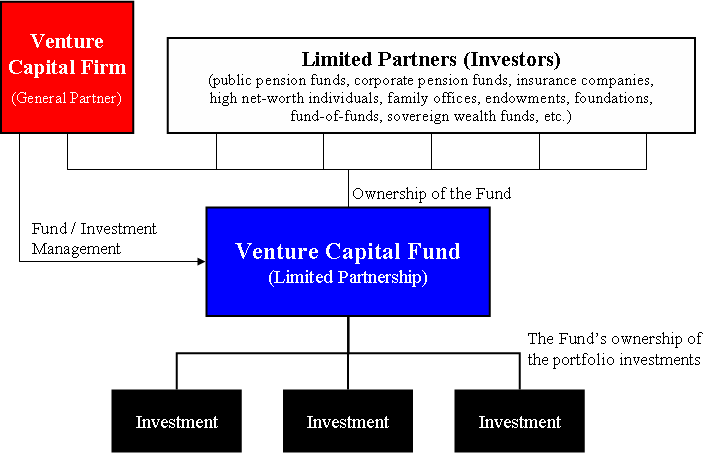
Venture capital continues its strong flow into the defense sector, highlighted by a major funding injection for a prominent defense technology firm. This influx of private capital comes as the Pentagon increasingly emphasizes revitalizing the foundational elements of its industrial supply chain, critical for sustained military readiness.

The U.S. Coast Guard has finalized a significant multi-billion dollar agreement to bolster its Arctic presence, contracting for the construction of several new security cutters. This strategic investment aims to enhance national sovereignty and operational capabilities in the increasingly critical Arctic region, where geopolitical rivalries are intensifying.
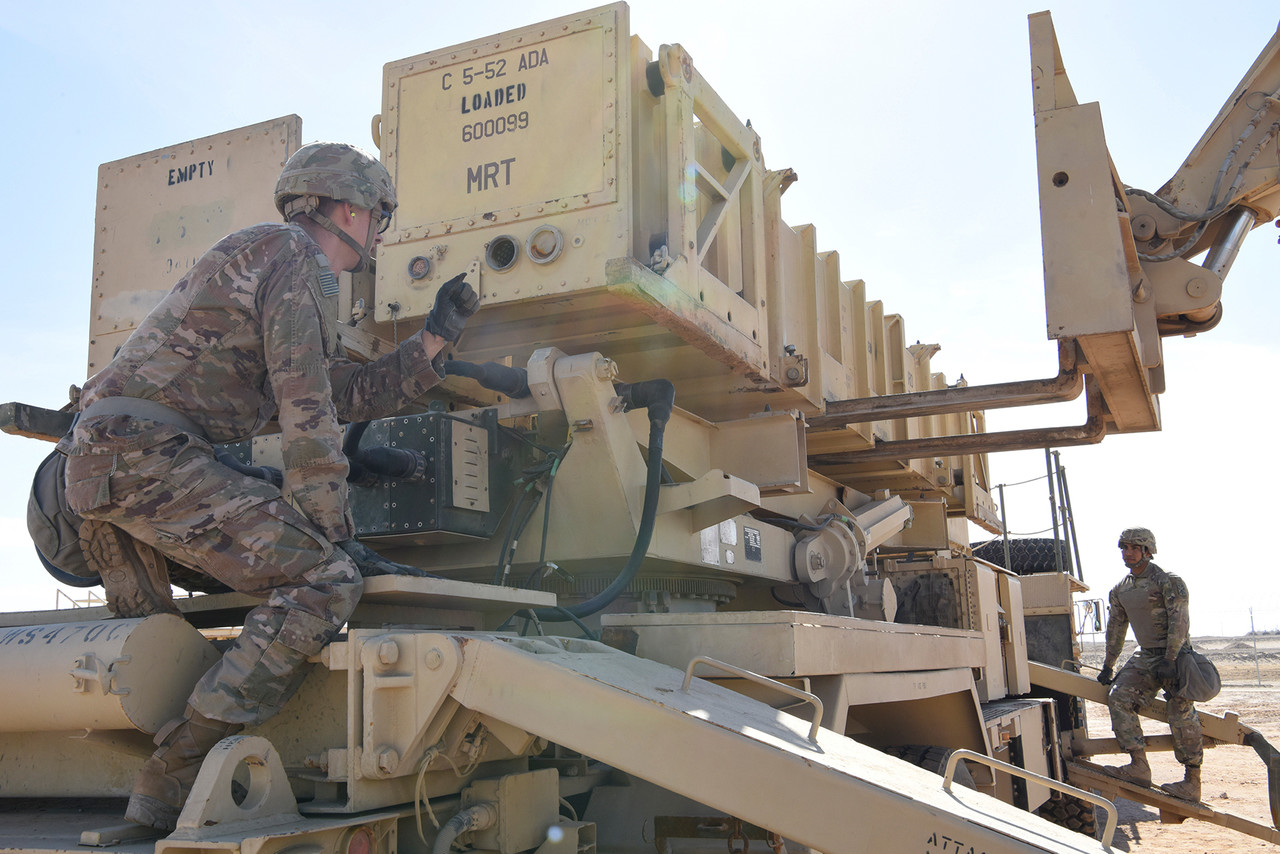
Following an intensive 38-day air campaign, U.S. Central Command asserts that Iran’s conventional military capacity has been substantially reduced. Despite significant degradation of its warfighting capabilities, the Islamic Republic retains a residual ability to pose regional challenges, particularly in strategic waterways. This assessment comes amidst an ongoing standoff in the Strait of Hormuz.

Facing a dramatic surge in global operational demand, US Special Operations Command is advocating for a substantial increase in its funding. Current budgetary allocations have reportedly failed to keep pace with the evolving challenges posed by adversaries engaging in irregular warfare across various domains. This situation threatens to impede modernization efforts and limit critical response capabilities for policymakers.
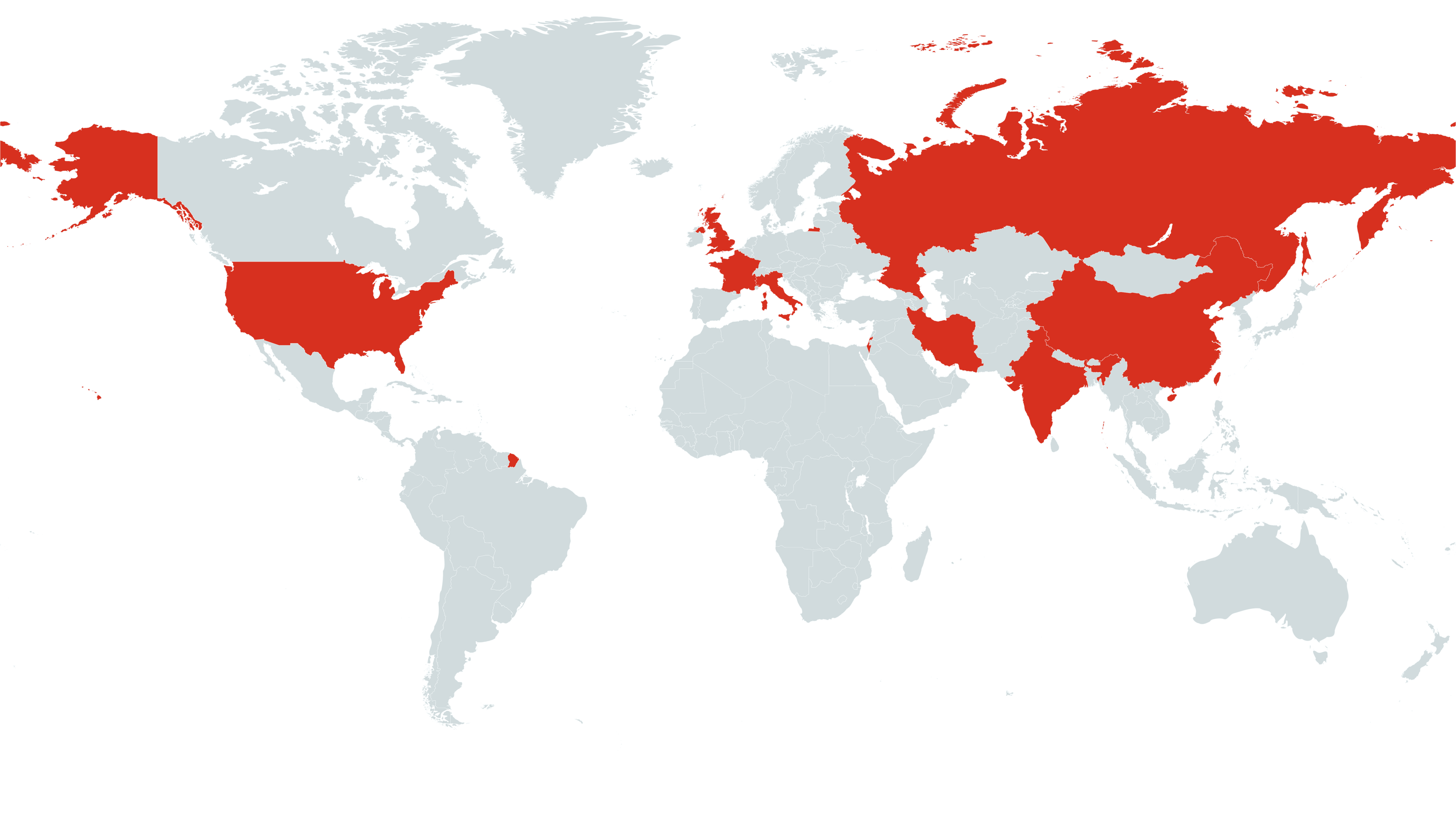
The Pentagon's lead official for the Golden Dome missile defense initiative has strongly contested a recent Congressional Budget Office projection, which suggested the program could reach well over a trillion dollars over two decades. This pushback centers on claims that the CBO's analysis relies on antiquated technological assumptions and an incorrect understanding of the planned system architecture, contrasting sharply with the DoD's significantly lower cost assessment.

The head of U.S. Central Command has presented a stark assessment of Iran's military capabilities, indicating its naval forces will require significant time to recover from recent operations. This strategic blow also appears to have severed Tehran's ability to arm and fund its regional proxy networks, a cornerstone of its foreign policy.

Congressional efforts to overhaul defense acquisition gained significant traction with the FY26 National Defense Authorization Act, aiming to fundamentally transform how the military procures critical technologies. This legislative momentum now enters a crucial implementation phase, focusing on revitalizing America's entire industrial base to meet modern global threats. The objective is to unlock the full potential of both established defense contractors and new market entrants.

The Department of Defense has unveiled a major new initiative aimed at dramatically increasing its inventory of advanced, low-cost munitions. This program seeks to acquire a substantial quantity of small cruise missiles over the next three years, signaling a strategic pivot towards high-volume, affordable firepower.

A recent peer-reviewed study indicates that the sudden cessation of U.S. development assistance last year was directly correlated with a significant uptick in violent incidents and combat fatalities across the African continent. Researchers suggest that the precipitous nature of the aid withdrawal, rather than the cessation itself, created destabilizing economic shocks that fueled unrest.