Military & Defense
454 articles · Coverage updated continuously

The Department of the Navy is advocating for a significant overhaul of its amphibious ship force generation model, proposing substantial changes to how these critical assets are maintained and deployed. This initiative aims to enhance operational readiness and sustain global presence through longer deployment cycles and a significant increase in fleet numbers, addressing current capability gaps.
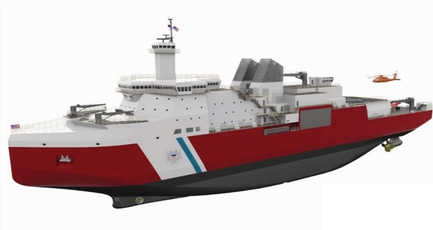
US Northern Command has initiated a new collaborative framework, dubbed Nordic Bridge, designed to bolster inter-command coordination and strategic presence in the Arctic region. This move seeks to integrate efforts across several key US military commands and potentially allied forces, addressing the growing security complexities of the high north.

After years of development and overcoming significant hurdles, a pioneering robotic spacecraft designed to extend the operational life of satellites is poised for launch this summer. This mission, a collaborative venture initially spearheaded by DARPA, represents a critical step toward enhancing the resilience and capabilities of both military and commercial assets in geosynchronous orbit.
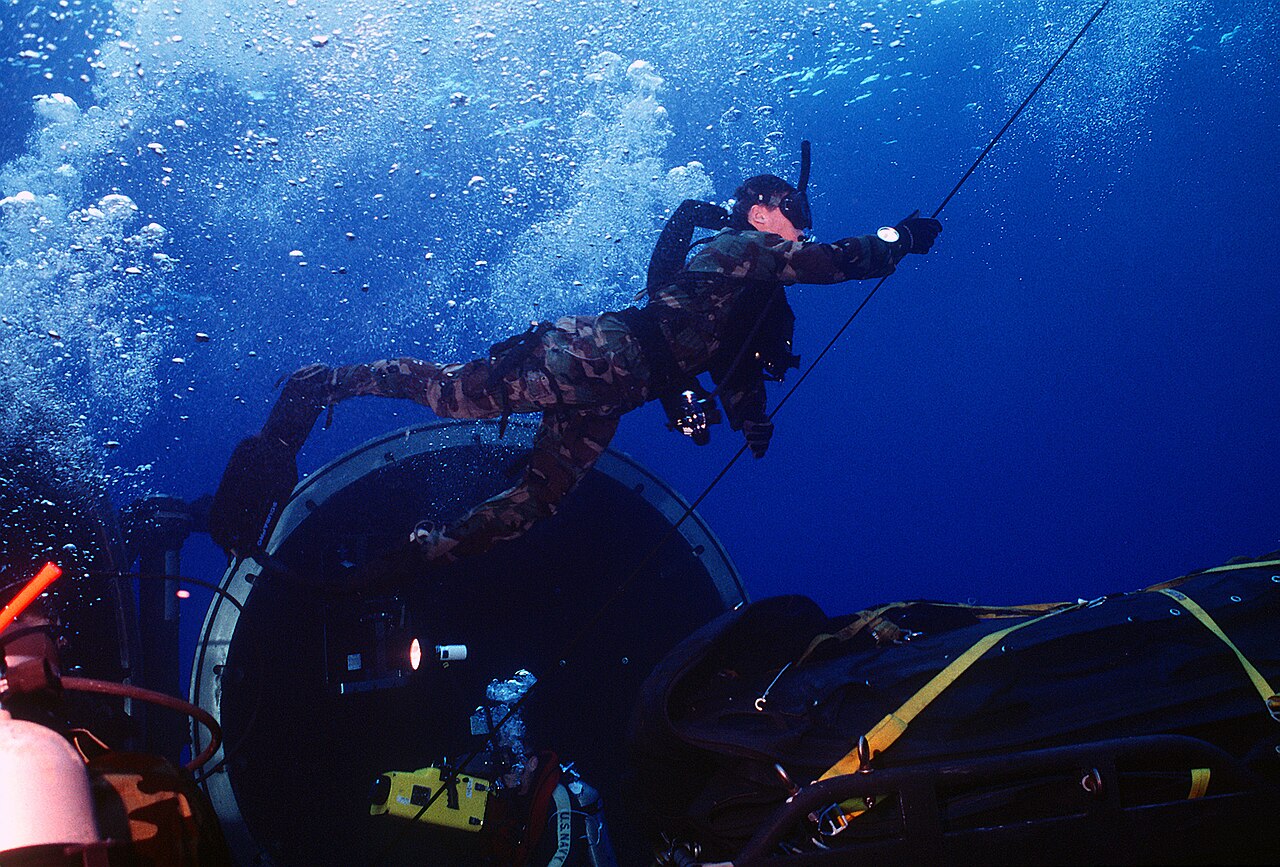
Australia is moving forward with a substantial financial commitment to extend the operational lifespan of its Collins-class submarine fleet. This critical investment serves as a bridging strategy to maintain naval capabilities as the nation prepares for the eventual transition to nuclear-powered vessels under the AUKUS security pact.
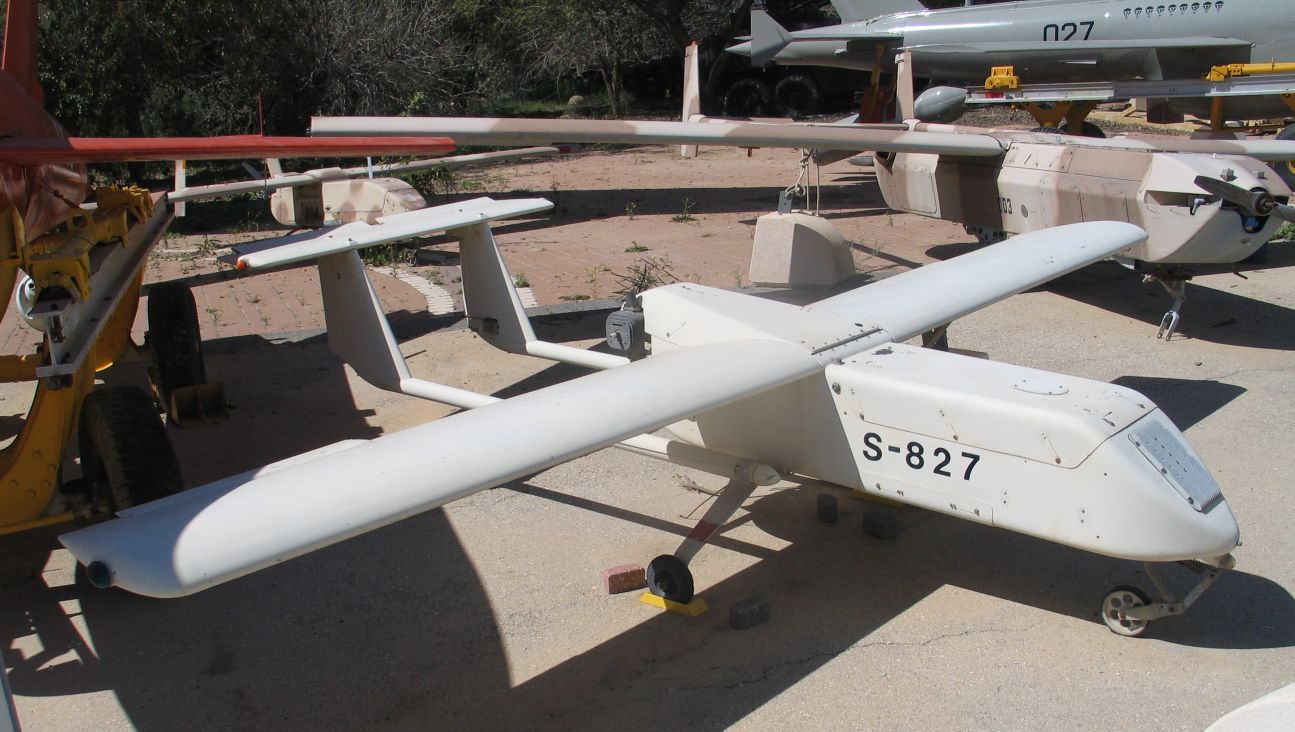
The commander of US Special Operations Command recently identified a complex operation aimed at a South American leader as a new benchmark, profoundly influencing the trajectory of future special operations. This pivotal assessment highlights an accelerated evolution in strategic planning and tactical execution for elite military forces worldwide.

A top U.S. Central Command official recently stressed the urgent need for advanced military capabilities, particularly highlighting the global trend of adversaries concealing assets underground. This demand for sophisticated deep-strike munitions, alongside enhanced electronic warfare and counter-drone systems, comes amidst intense congressional scrutiny over ongoing regional conflicts.

A significant escalation in Baltic airspace security unfolded recently as a NATO air policing jet intercepted and destroyed a drone suspected to be from Ukraine operating over Estonian territory. This incident marks a critical juncture following a series of unintentional incursions by Ukrainian unmanned aerial vehicles into allied airspace, raising urgent questions about regional stability and operational boundaries.
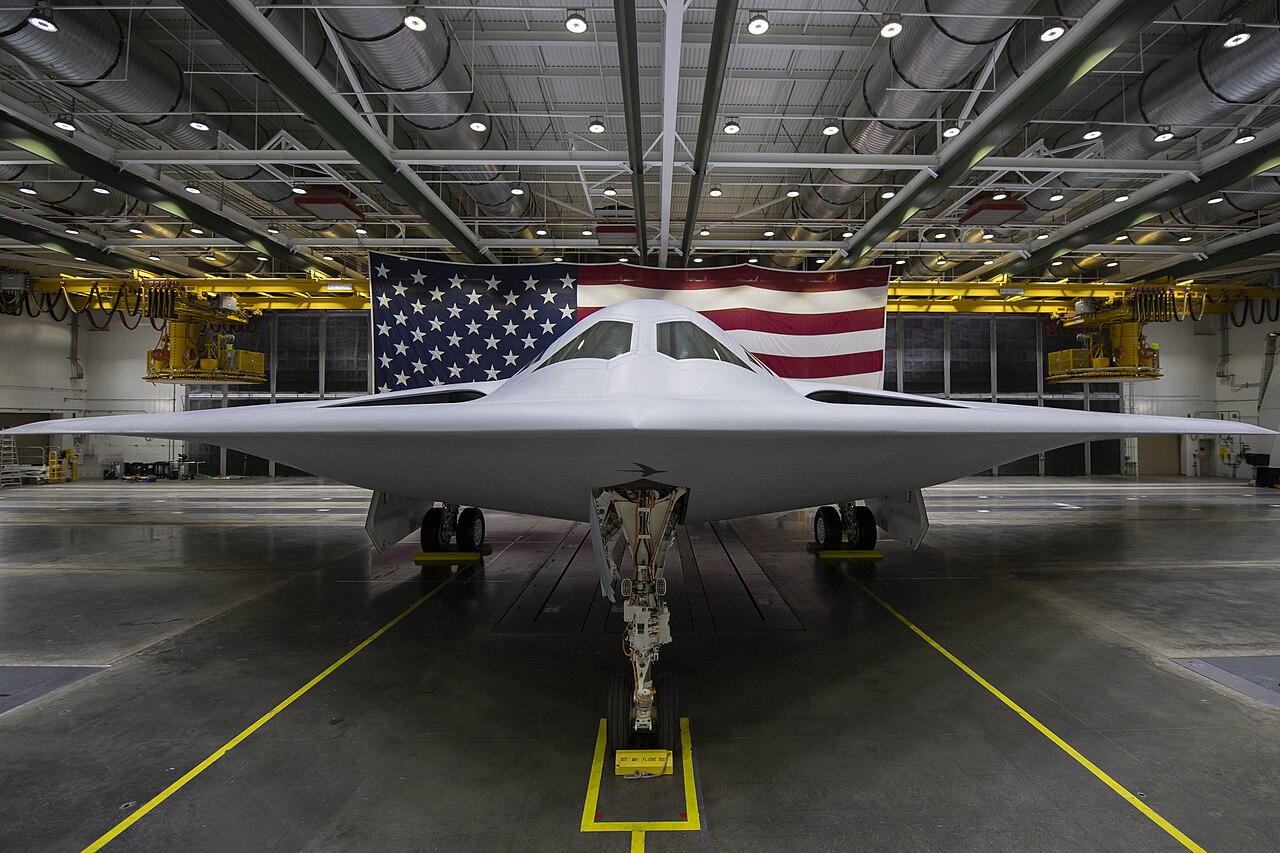
Air Force Special Operations Command is pioneering a new era of agile air support with its OA-1K Skyraider II, an aircraft designed for rapid disassembly and reassembly in austere environments. This innovative approach aims to provide on-demand intelligence, surveillance, reconnaissance, and strike capabilities for isolated special operations teams worldwide, fundamentally transforming deployment logistics.
Air Force Special Operations Command (AFSOC) is set to conduct operational testing this year on its innovative rapid breakdown and reassembly system for the OA-1K Skyraider II aircraft. This advanced capability aims to drastically reduce the time and resources needed for aircraft deployment and redeployment, enhancing operational flexibility across diverse mission profiles.

Washington has signaled its approval for a substantial defense package destined for South Korea, potentially exceeding four billion dollars. This prospective acquisition focuses on enhancing Seoul's rotary-wing capabilities with advanced maritime and attack helicopters, underscoring ongoing efforts to bolster regional security alliances.

A significant financial debate has emerged concerning the Golden Dome missile defense initiative, with Space Force leadership publicly contesting a recent high-end cost assessment. This fiscal scrutiny unfolds as the U.S. Army dramatically escalates its electronic warfare capabilities, conducting what's described as an unprecedented exercise aimed at dominating contested network environments. Both developments highlight critical areas of focus for modern defense strategy.

Polish leadership is expressing significant apprehension following the Pentagon's decision to cancel a substantial U.S. Army rotational deployment to Eastern Europe. This development has cast a shadow over transatlantic defense ties, particularly as Warsaw highlights its substantial investment in American military hardware and its role as a key regional ally.