Drones & Autonomous
94 articles · Coverage updated continuously
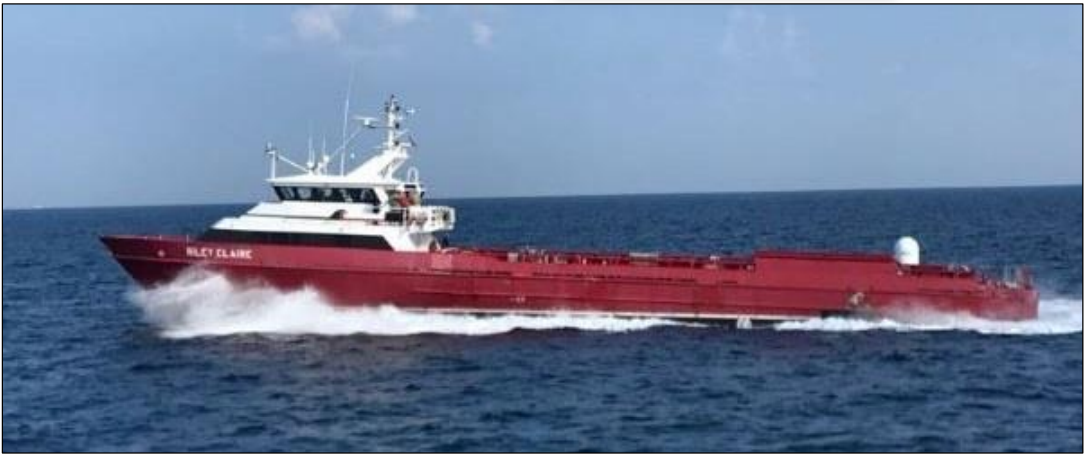
In a significant move poised to accelerate the US Navy's unmanned ambitions, Anduril Industries has announced a strategic partnership with Scotland's Kraken Technology Group to co-produce small unmanned surface vessels (USVs). This collaboration will see Anduril integrating its advanced Lattice autonomy software and various payloads onto Kraken's K5 KRAKEN and K7 SABRE platforms, with Anduril leading US-based manufacturing and sustainment. The initiative directly supports the Navy's aggressive target of fielding a surface force comprised 45% of unmanned systems by 2045, marking a crucial step in modernizing maritime capabilities.
The partnership between defense technology firm Anduril and South Korean shipbuilding giant HD Hyundai is set to expand significantly, with production now officially underway for their new class of advanced autonomous naval vessels. This collaboration marks a critical step towards modernizing naval capabilities, with sea testing for the first vessel projected to begin by October 2026. The consortium is further bolstered by the addition of Edison Chouest Offshore, which will facilitate U.S.-based production of these autonomous surface vessels (ASVs).
While Ukraine's drone navy has dramatically reshaped naval warfare by decimating Russia's Black Sea Fleet in a confined theater, U.S. Navy leaders caution against directly applying this model to the vast Pacific. Rear Adm. Doug Sasse highlighted that distinct operational challenges necessitate a different U.S. unmanned system strategy, focusing on integrating robots for battle awareness and support within manned fleets rather than as primary attack platforms. This approach is evident as the Navy recently took possession of its first large unmanned 'Sea Hawk' ship, set to deploy with the Theodore Roosevelt strike group later this year.
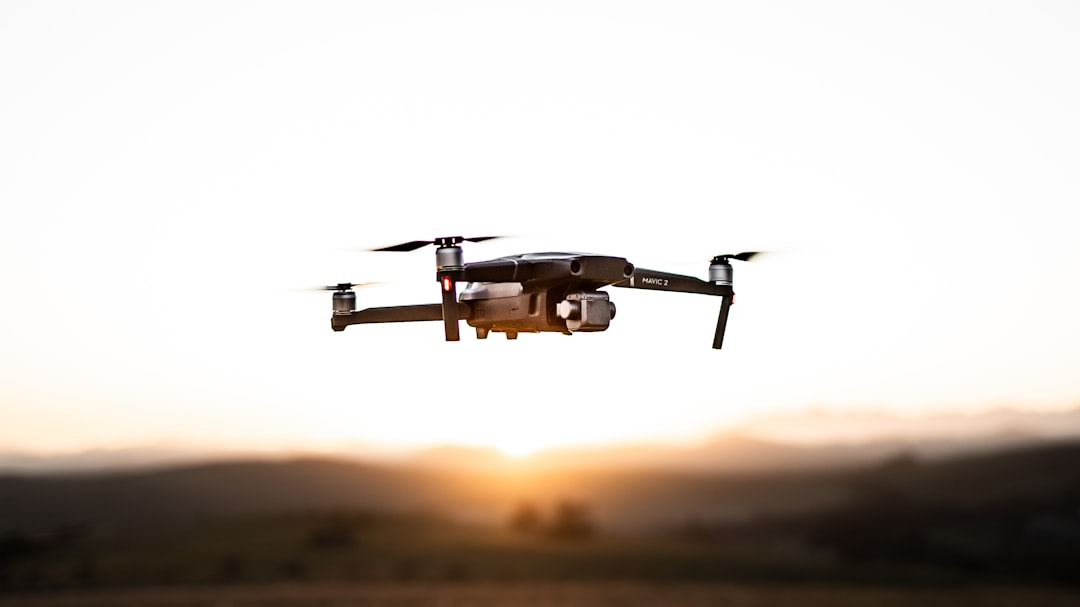
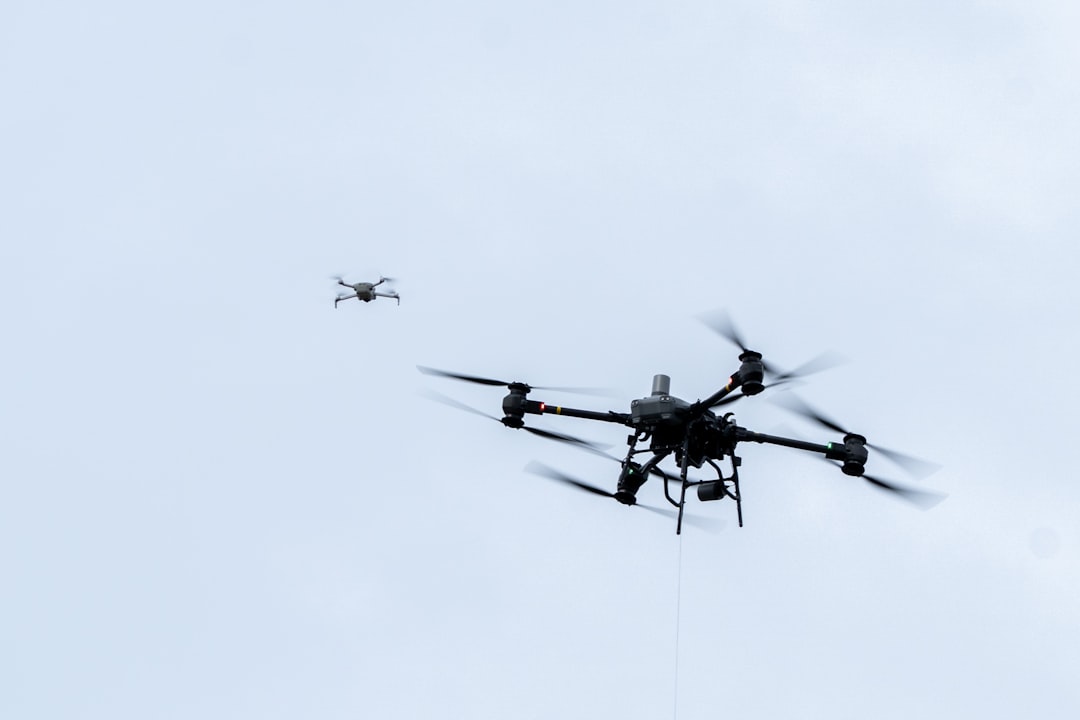
The U.S. Air Force is pushing the boundaries of autonomous warfare, recently conducting hands-on testing of Anduril's YFQ-44A semiautonomous combat drone. Airmen from the Experimental Operations Unit (EOU) at Edwards Air Force Base utilized ruggedized laptops for mission planning and control, a significant shift from traditional human-piloted drones, directly advancing the Collaborative Combat Aircraft (CCA) program. This rapid, operator-driven experimentation embodies the principles of the Air Force's new Warfighting Acquisition System.
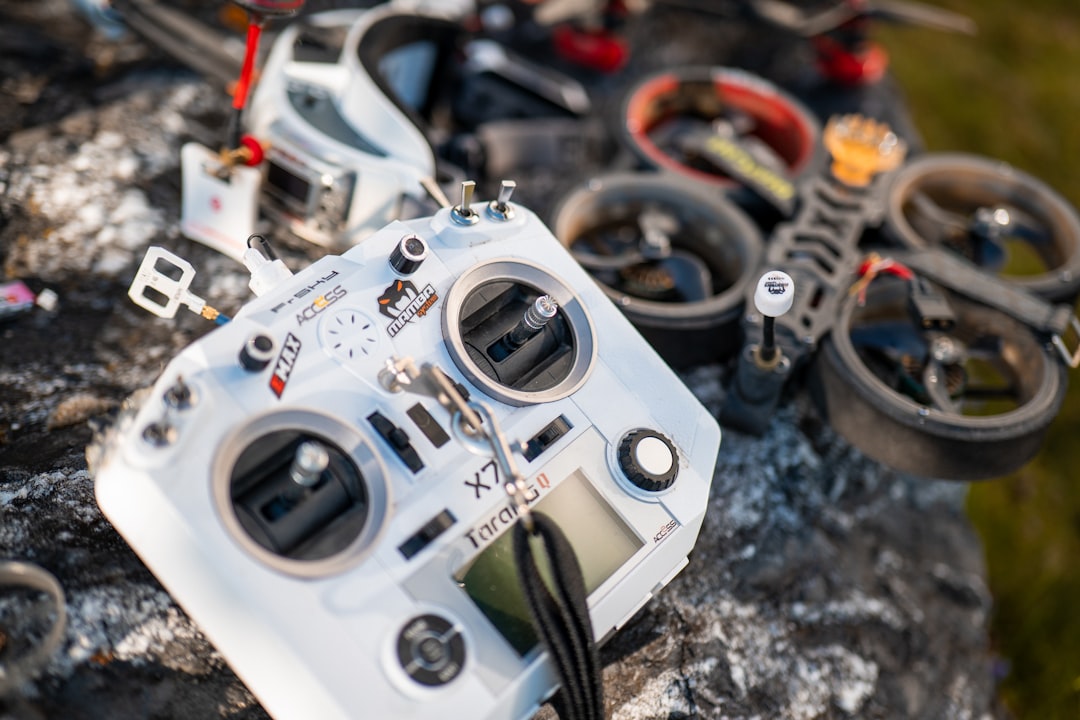
The U.S. Army's heavy-lift CH-47 Chinook helicopter has successfully completed an autonomous landing, guided by Boeing's Approach-to-X (A2X) software, marking a significant stride in the service's broader push for autonomous aerial operations. This pilotless touchdown demonstrates a critical advancement in reducing pilot workload and enhancing operational capabilities for one of the Army's most enduring and vital aircraft. The achievement comes as the Army continues to invest heavily in self-flying technologies across its fleet, complementing initiatives like the pilot-optional Black Hawk program.
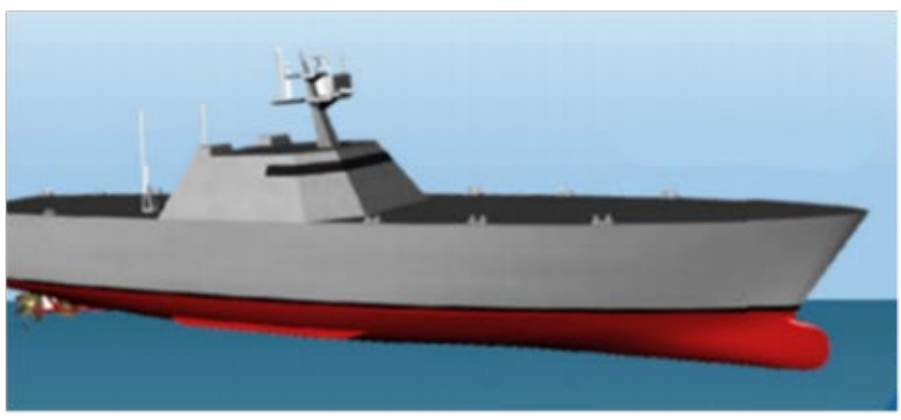
Saildrone has officially unveiled Spectre, a revolutionary 52-meter medium unmanned surface vessel (MUSV) developed in partnership with Lockheed Martin, designed to significantly enhance anti-submarine warfare (ASW) and intelligence, surveillance, and reconnaissance (ISR) capabilities. Showcased at the Sea Air Space Exposition, this new autonomous platform comes in two distinct variants—Silent Endurance for acoustic and ASW missions, and Stealth Strike for kinetic roles—and is capable of carrying over 70 tons of modular payloads, including the Mk70 VLS Launcher. Priced at approximately $40 million, Spectre aims to provide a cost-effective, high-impact solution for modern naval operations.
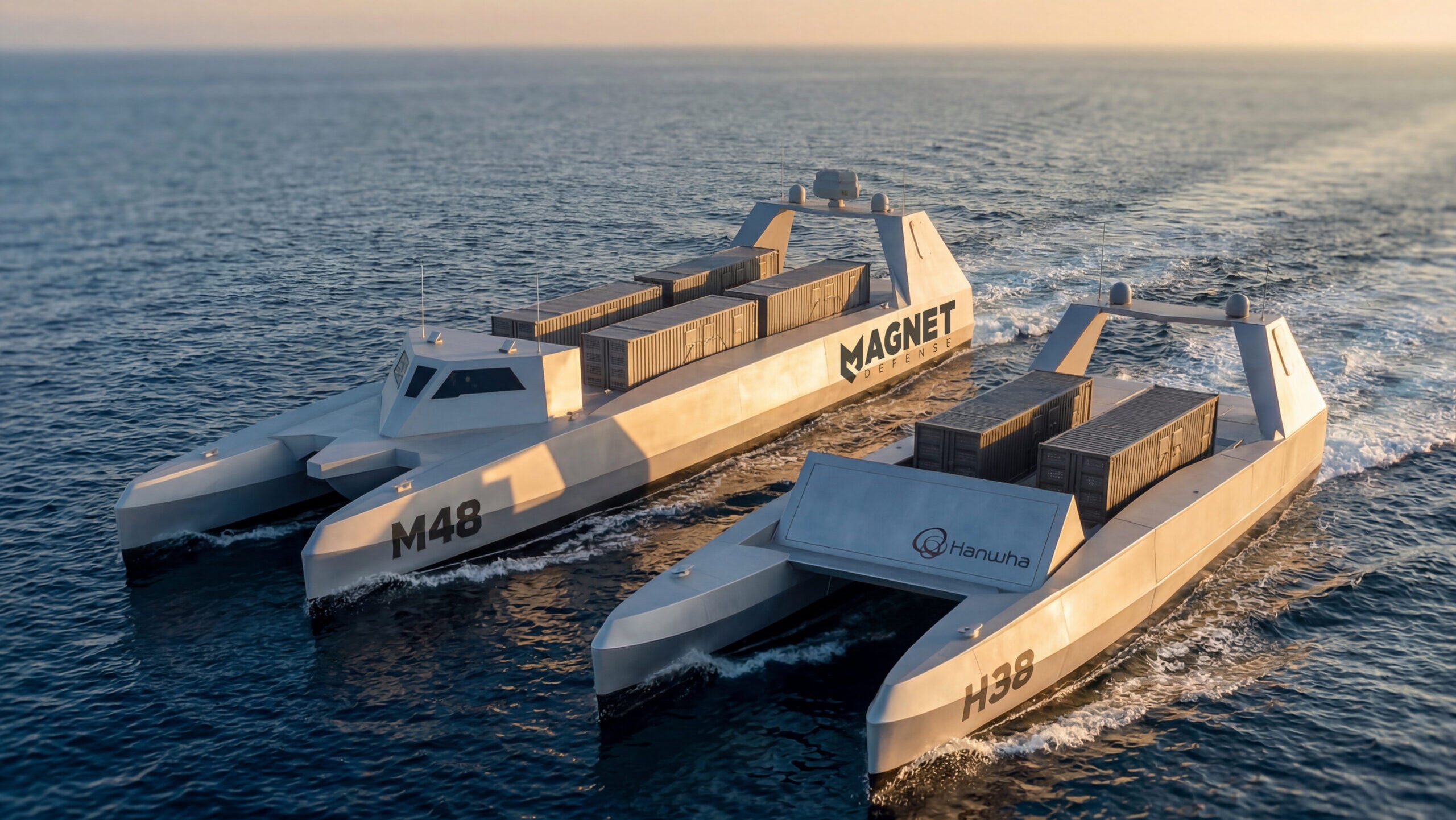
Hanwha Defense USA and Magnet Defense are joining forces to develop a new 38-meter Medium Unmanned Surface Vessel (MUSV) and establish AI-driven robotic shipyards. This strategic partnership aims to significantly accelerate the production of autonomous maritime platforms, directly addressing the US Navy's urgent demand for rapid MUSV acquisition and the integration of modular, 'containerized capability'. The collaboration leverages Hanwha's manufacturing prowess and robotics with Magnet Defense's established autonomy expertise.

As naval operations increasingly confront anti-access/anti-denial threats and gray zone challenges, the demand for maritime autonomy is rapidly evolving beyond basic navigation to encompass real-time threat prediction and adaptive mission assurance. Integer Technologies, a rapidly growing defense tech firm, is at the forefront of this shift, providing predictive intelligence software essential for next-generation unmanned platforms. Their DIGIT software is currently being leveraged by the Defense Innovation Unit for extra-large, extended-range unmanned undersea vehicles in the critical Combat Autonomous Maritime Platform (CAMP) project.
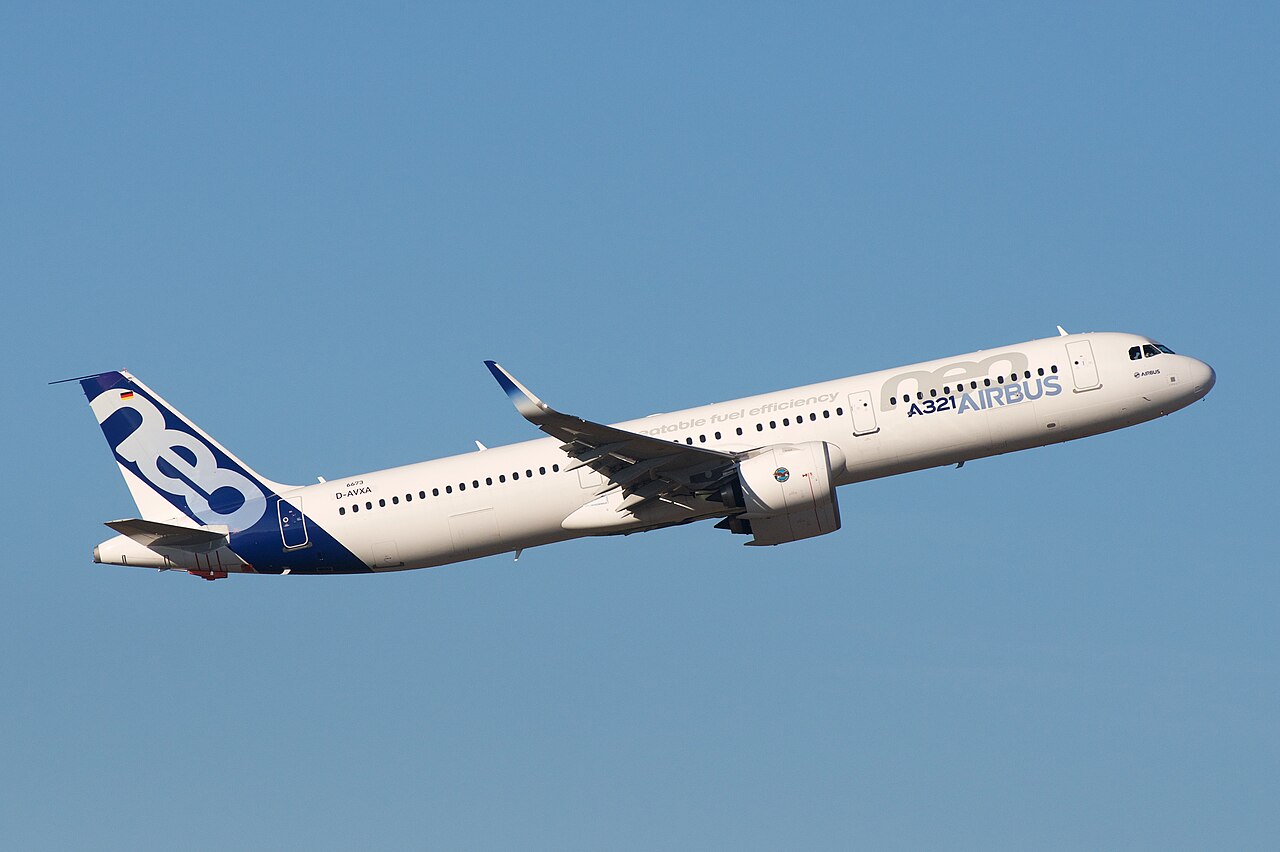
Airbus is developing an autonomous variant of the MQ-72C Lakota helicopter for U.S. Marine Corps logistics, but company officials confirm the platform's potential for an armed configuration capable of deploying 'launched effects'. This development follows successful H145 flight tests validating advanced autonomous perception systems, positioning the Lakota as a versatile unmanned aerial system with significant mission expansion capabilities beyond its initial logistical role. While primarily focused on supporting Marine Corps logistics, the modular open system architecture of the MQ-72C suggests a strategic foresight into future combat applications.
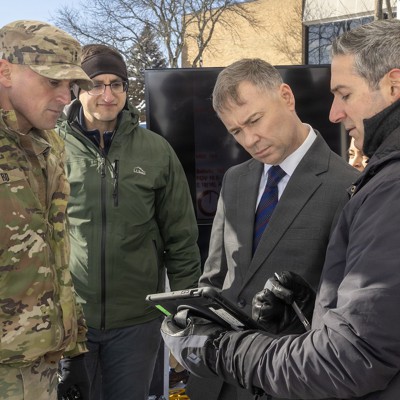
A Pennsylvania Army National Guard team has earned the Army's 'Best Drone Warfighter' innovation award for their groundbreaking Project RED, an AI-driven drone designed to recover downed enemy unmanned aerial systems. This innovative system features a robotic arm, allowing for the physical retrieval of adversary technology directly from the battlefield. The team is now collaborating with the Army Research Lab (ARL) to advance the prototype, focusing on its potential for critical data exploitation.