Drones & Autonomous
94 articles · Coverage updated continuously
Textron has unveiled the RIPSAW M1 autonomous ground vehicle (AGV) at the Modern Day Marine conference, a strategic move aimed at expanding the US Marine Corps' unmanned vehicle capabilities for littoral warfare. This debut signals Textron's proactive investment in future Marine needs, presenting the M1 not as a replacement, but as a crucial augmentation for existing manned platforms. Designed with a Modular Open Systems Approach (MOSA), the M1 promises unprecedented mission flexibility through diverse payload integration, including the capability to launch Damocles drones.
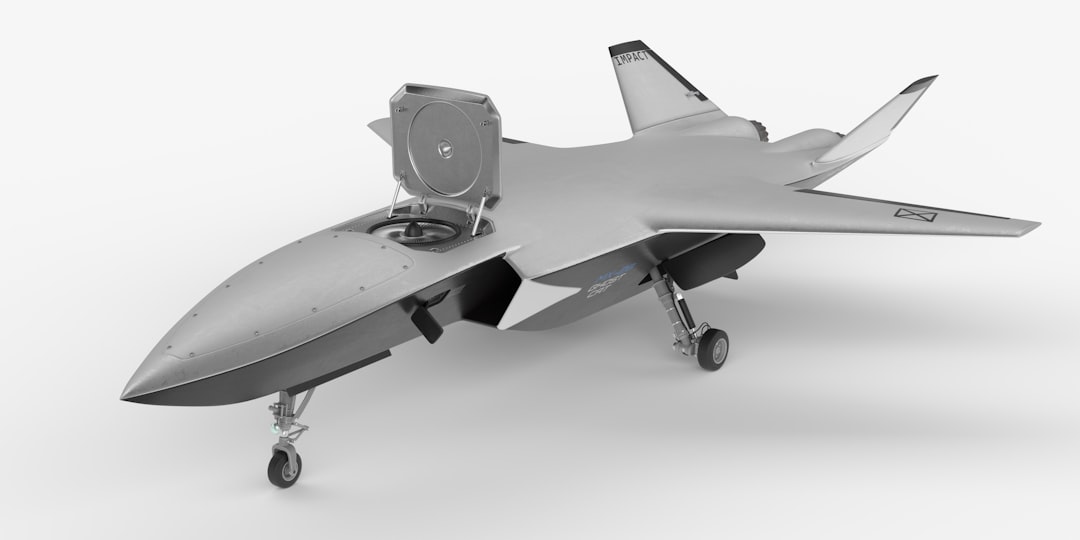
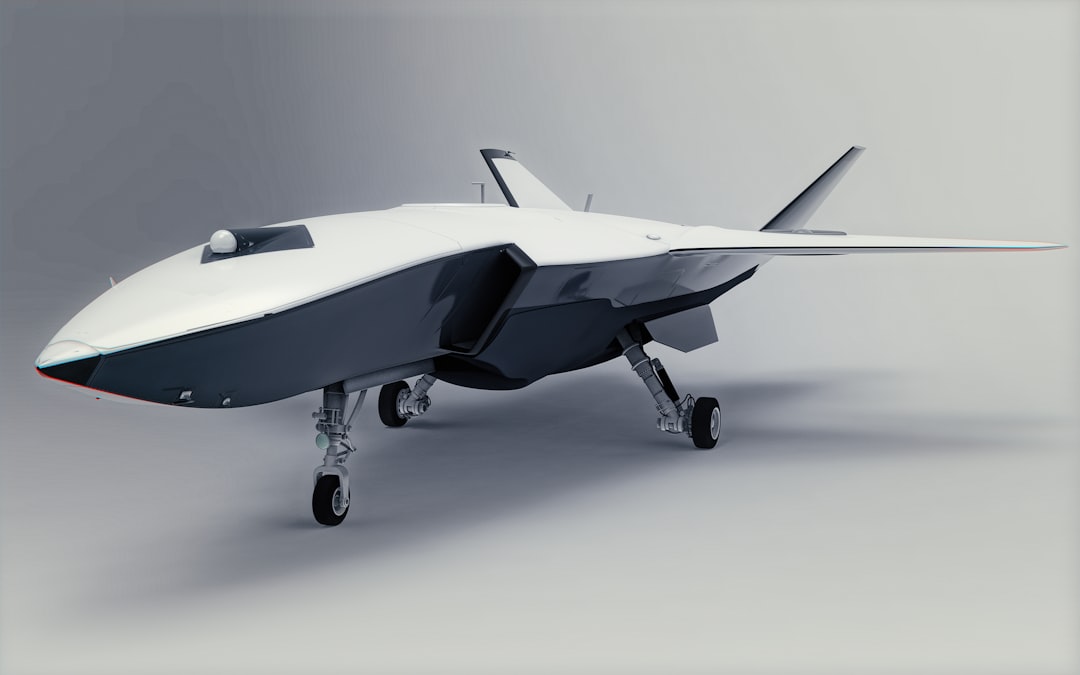
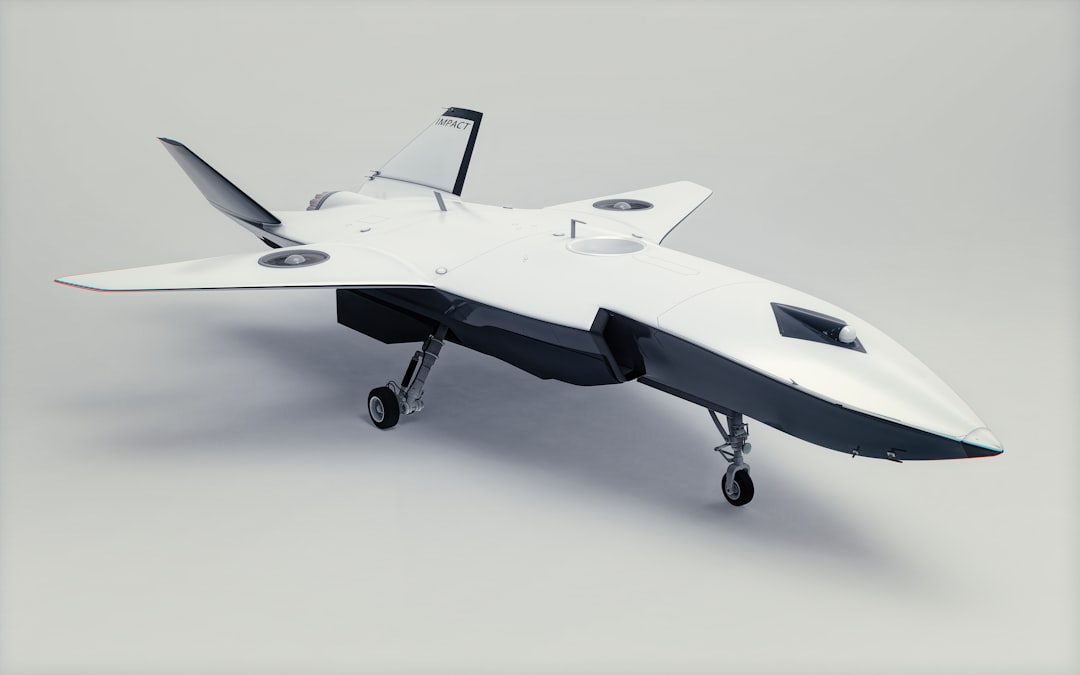
The U.S. Navy's MQ-25 Stingray carrier drone has successfully completed a pivotal two-hour test flight, demonstrating full autonomous taxi, take-off, flight, and landing capabilities. This milestone signifies a major step toward integrating unmanned aerial refueling into naval carrier operations, promising to extend the reach and effectiveness of the fleet's manned aircraft. The flight positions the MQ-25 closer to deployment, which is crucial for modernizing naval aviation.

Ukraine is dramatically scaling up its unmanned ground vehicle (UGV) fleet, aiming for an unprecedented 25,000 deployments by the first half of 2026—more than double 2025 figures—to achieve 100% robotic frontline logistics. This ambitious goal, announced by Defense Minister Mykhailo Fedorov, seeks to remove soldiers from dangerous supply and evacuation missions, building on demonstrated combat effectiveness, including the first reported capture of an enemy position entirely by unmanned systems. The move underscores a profound strategic shift in battlefield operations, prioritizing automation for both soldier safety and operational advantage.
The U.S. Marine Corps is actively seeking a new anti-tank loitering munition, the Organic Precision Fires–Medium (OPF-M), designed to significantly extend the reach and lethality of dismounted Marines against armored threats. This kamikaze drone aims to provide a critical precision strike capability for the Fleet Marine Force, enabling engagements beyond direct fire range while enhancing troop safety and operational flexibility.
Australia is significantly bolstering its counter-drone capabilities, committing A$7 billion to develop and deploy advanced defenses against the growing threat of unmanned aerial systems. This substantial investment, more than doubling previous allocations, directly responds to critical lessons learned from global conflicts where drones have exposed new vulnerabilities for modern militaries. Key contracts have already been awarded to sovereign Australian companies, AIM Defence and Sypaq Systems, to accelerate the development of laser and interceptor drone technologies.
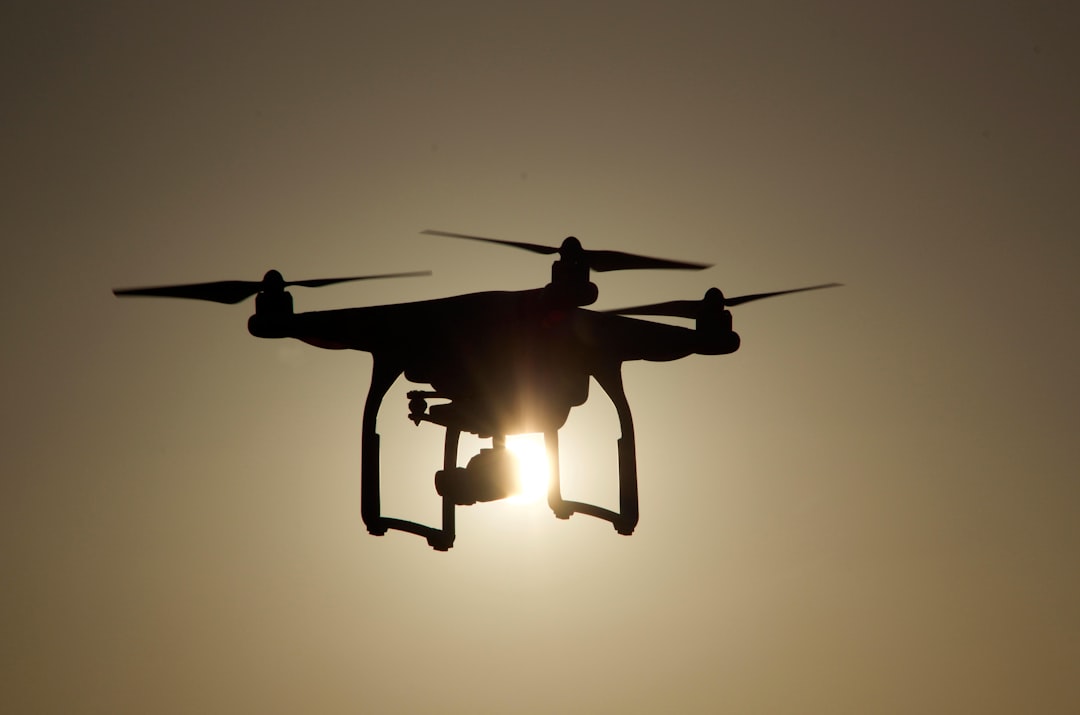
Ukraine has reportedly achieved a world-first in drone warfare, with its 412th Brigade Nemesis successfully using an unmanned surface vessel (USV) to deploy a Sting interceptor drone against a Russian Shahed. This innovative method signifies a major advancement in Ukraine's air defense capabilities, particularly over the Black Sea, offering a new layer of protection against persistent Shahed attacks that have plagued its cities and strained its air force. The development underscores the rapid evolution of drone tactics in the ongoing four-year conflict, where cheap, domestically manufactured UAVs have become critical tools for both sides.
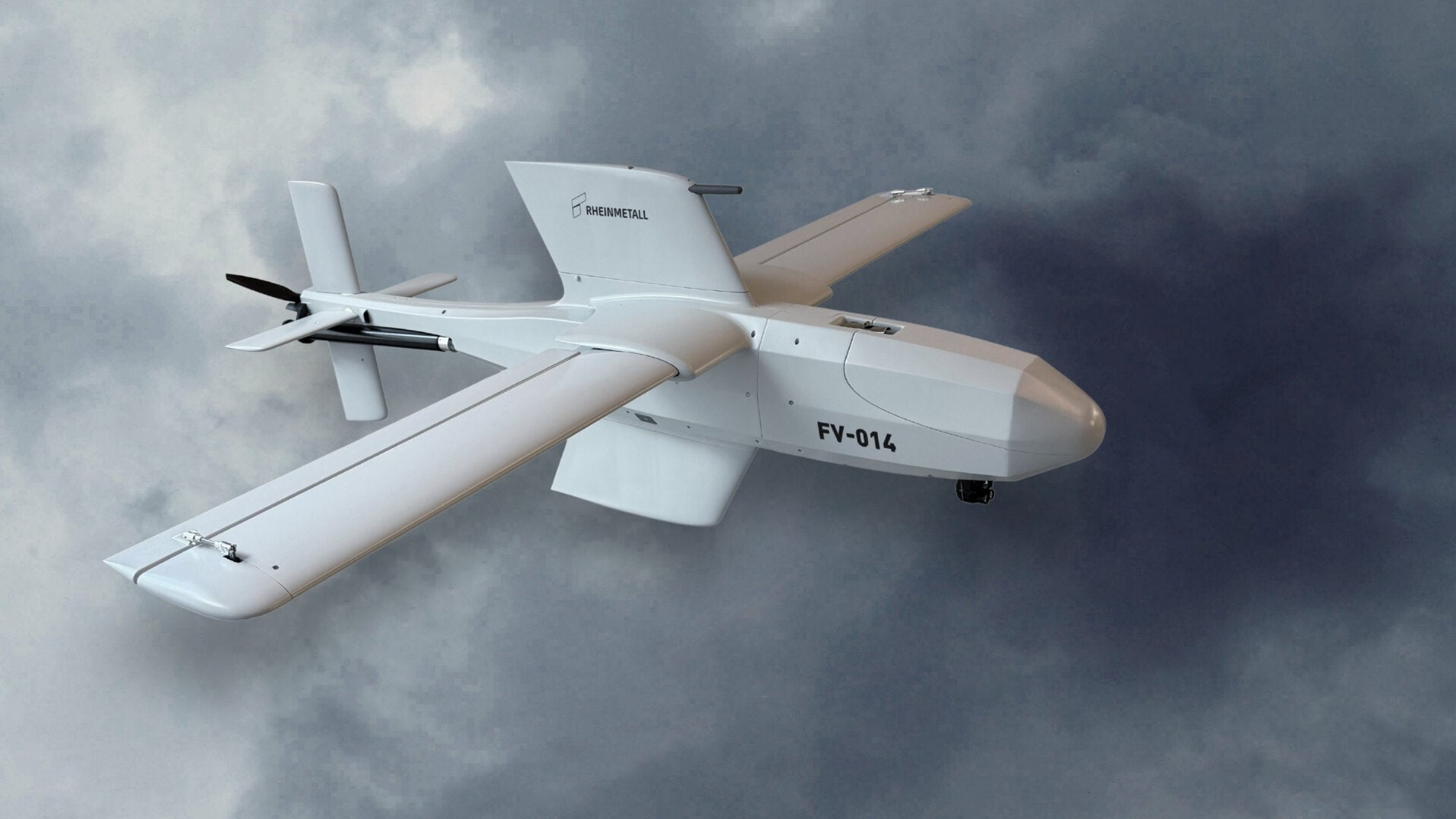
German defense giant Rheinmetall has secured a multibillion-dollar framework contract with the Bundeswehr for its FV-014 loitering munitions, marking a significant investment in Germany's autonomous strike capabilities. The deal, which includes an initial call-off worth approximately €300 million and an option for a five-figure number of units, will see deliveries of the 100km-range, 70-minute endurance drones commence in H1 2027.
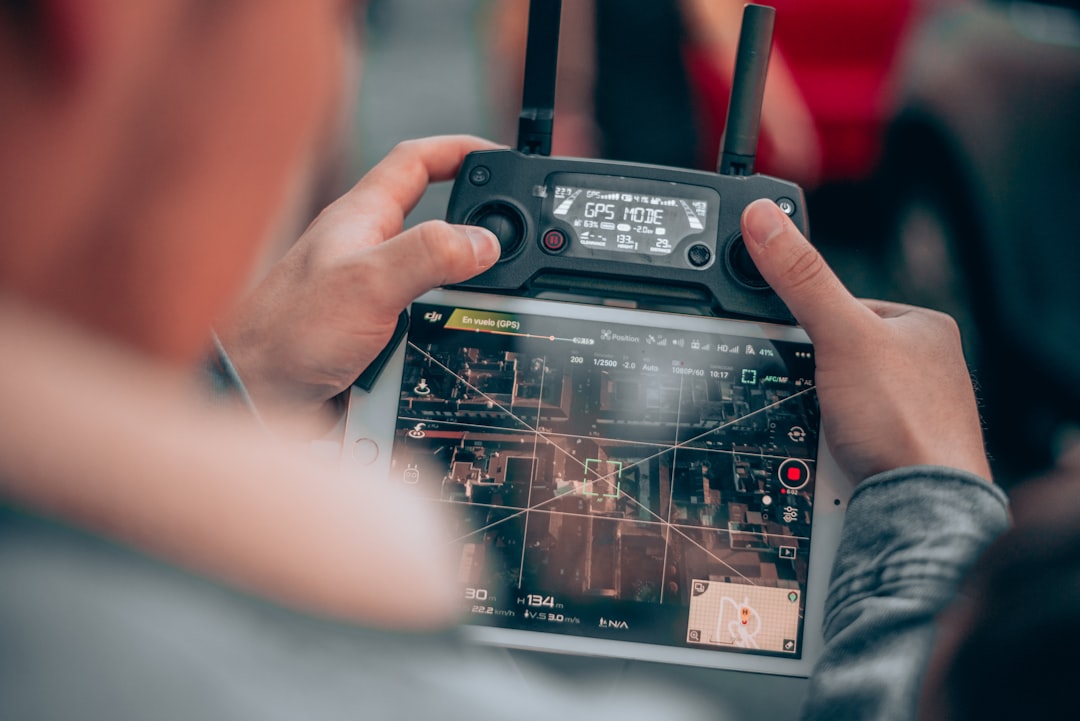
U.S. Southern Command (SOUTHCOM) is establishing a new Autonomous Warfare Command (SAWC), a significant move mandated by Commander Gen. Francis L. Donovan to bolster the command's operational dominance. This new element is designed to integrate autonomous and unmanned systems into tactical missions, specifically targeting threats like narcoterrorism across its expansive Area of Responsibility (AOR) in Latin America and the Caribbean. The initiative aims to connect short-term operational successes with long-term strategic outcomes, leveraging advanced technology to support U.S. national security objectives.
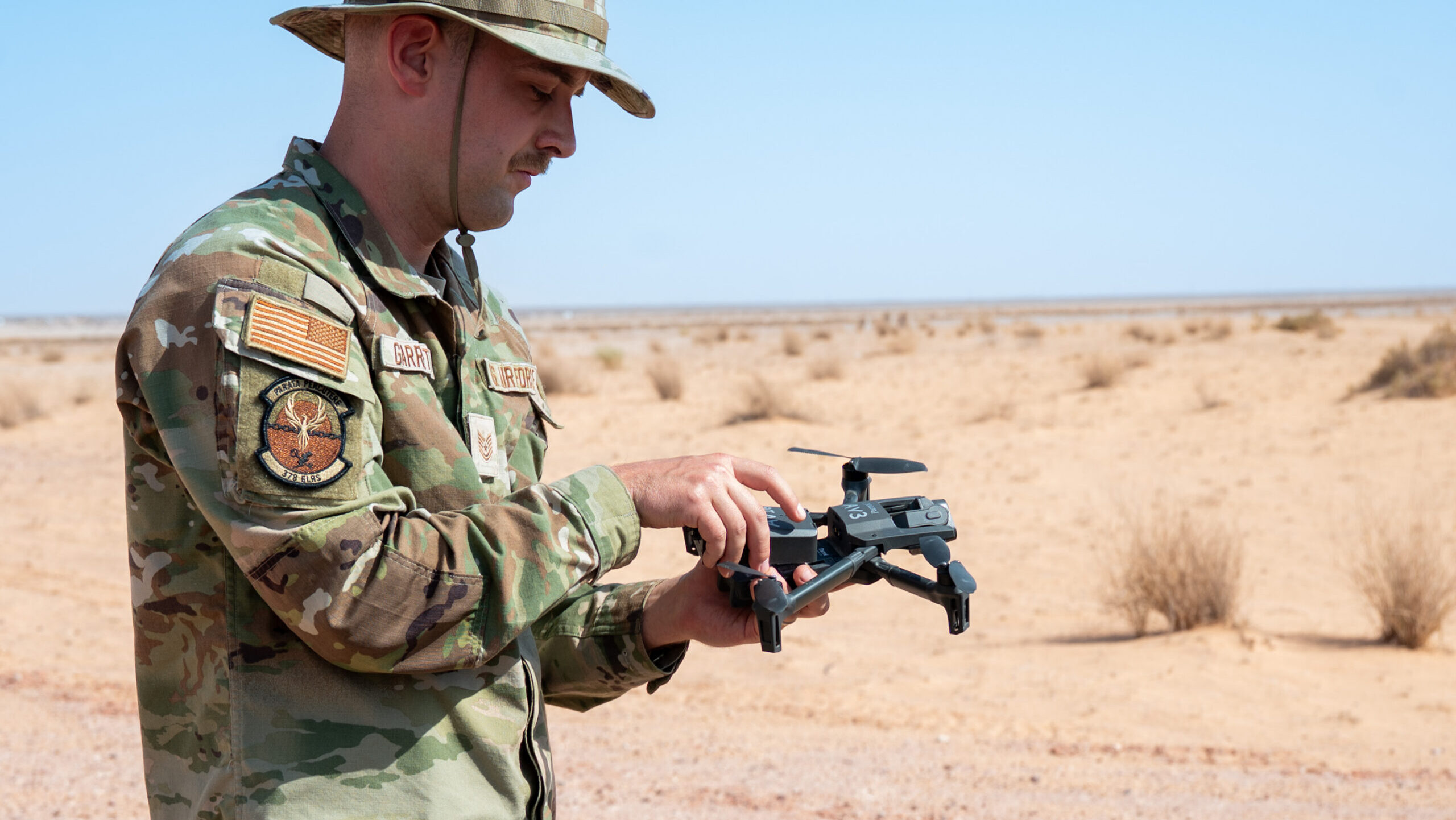
The Pentagon is proposing a colossal nearly $55 billion investment in its new Defense Autonomous Warfare Group (DAWG) for fiscal year 2027, replacing the Biden-era Replicator initiative with a dramatic escalation in ambition. This massive funding push aims to supercharge rapid innovation, research, development, and integration of cutting-edge autonomous systems and drone technologies for future warfare, particularly in the Indo-Pacific. However, a significant portion of this funding, $53.6 billion, is placed in a flexible future reconciliation pot, creating a high-stakes gamble for its approval amidst an increasingly challenging political landscape.
Maritime defense firm Saildrone has unveiled Spectre, a formidable new 54-meter, 250-ton unmanned surface vessel (USV) specifically engineered for advanced anti-submarine warfare (ASW). Designed for high-speed intercepts up to 30 knots, extreme endurance, and an ultra-quiet acoustic signature, Spectre aims to revolutionize naval stealth operations. These self-funded vessels, priced at $40 million each with Lockheed Martin integrating mission autonomy, are slated for sea trials by early 2027.
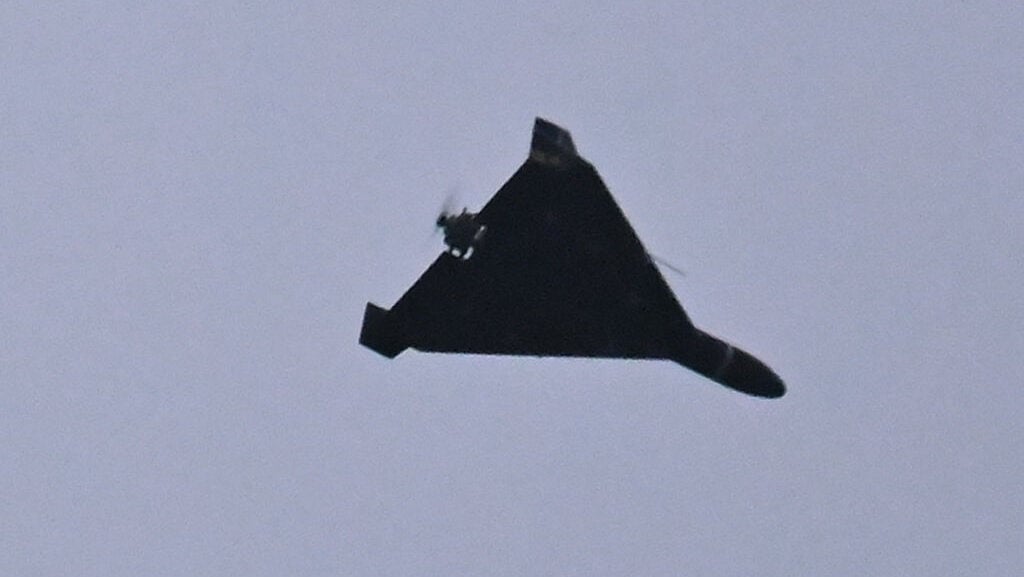
Ukraine has achieved a groundbreaking first in modern warfare, successfully deploying an interceptor drone from an Unmanned Surface Vessel (USV) to shoot down a Russian Shahed kamikaze UAV at sea. This unprecedented demonstration, documented by the Ukrainian Defense Ministry's elite 412th Brigade Nemesis, introduces a sophisticated new layer of defense in the evolving landscape of drone-on-drone combat and maritime security.
As adversaries increasingly prioritize disrupting GPS, the vulnerability of autonomous drones in critical defense and logistics missions is growing. A new generation of 3D vision-based navigation systems offers a robust solution, enabling drones to maintain precise absolute positioning even when the Global Positioning System is denied or unreliable. This technology combines onboard cameras with high-resolution map data, fundamentally enhancing autonomous capabilities in contested environments.