Drones & Autonomous
94 articles · Coverage updated continuously

During a recent NATO exercise in Latvia, cutting-edge unmanned ground vehicles (UGVs) and aerial drones encountered significant operational hurdles. Extensive trials at the brigade level revealed that the region's dense woodlands severely disrupt crucial communication links, challenging the deployment of autonomous systems.
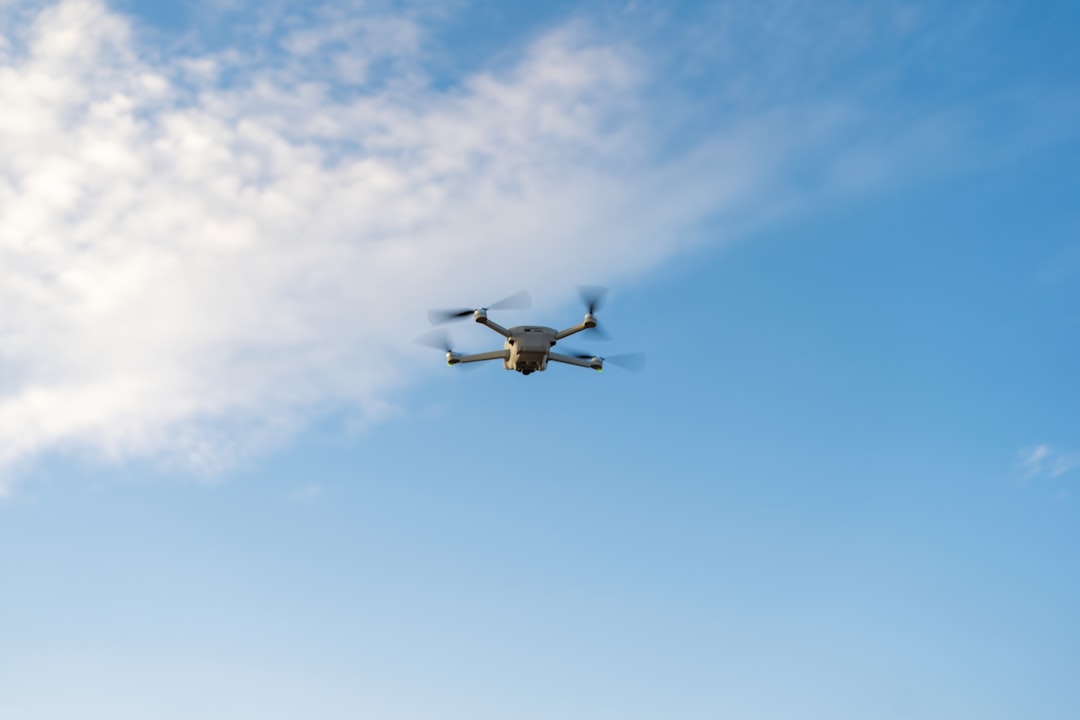
The United States has initiated a significant anti-drone pilot program, designating multiple strategic military installations to test advanced counter-UAS capabilities. This initiative aims to bolster homeland defense against unauthorized aerial incursions by integrating cutting-edge technologies. The selection of these sites underscores a national imperative to address evolving threats from small unmanned aircraft.
American private capital is increasingly backing Ukrainian defense technology startups, particularly those pioneering advanced drone capabilities. However, this promising surge in investment and strategic partnership faces significant friction from existing US export control frameworks, which are slowing critical joint development efforts.
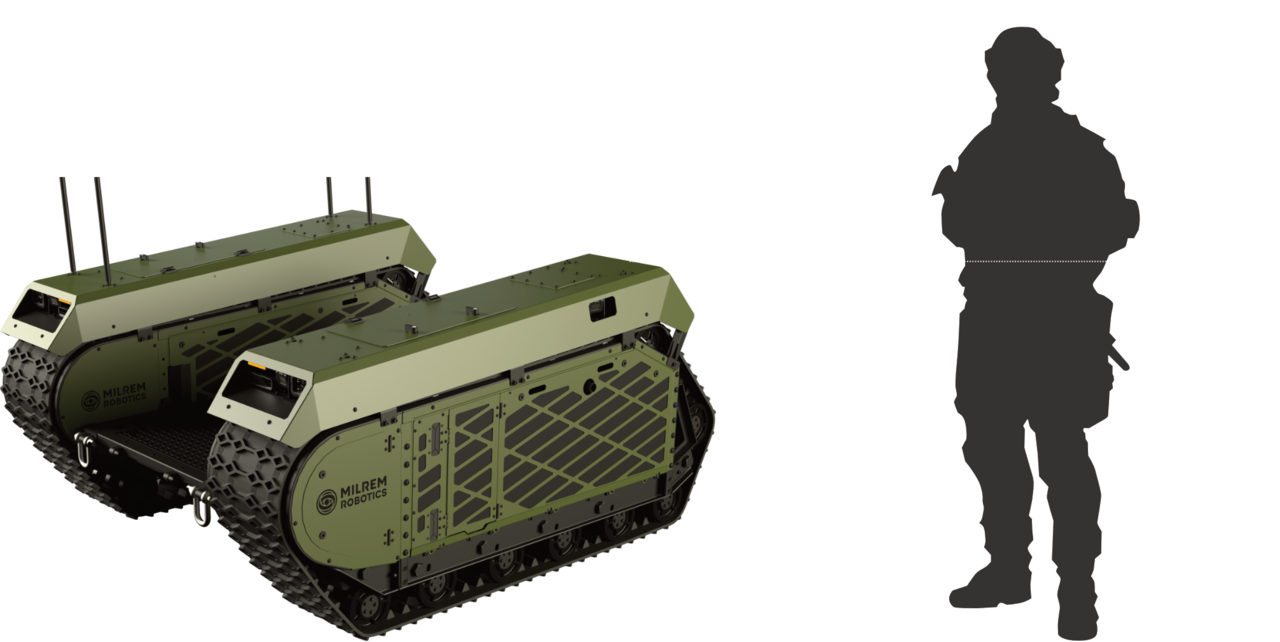
Ukraine is embarking on an ambitious expansion of its ground robot capabilities, signaling a profound shift in its battlefield strategy. This move aims to leverage autonomous systems for an expanding array of missions, from critical logistics and casualty evacuation to previously unthinkable civilian rescues in contested areas.
As the U.S. Army rapidly integrates unmanned aerial systems across its combat formations, specialized training centers are emerging to equip soldiers with the advanced skills needed for contemporary warfare. These initiatives go beyond basic flight instruction, focusing on complex operational scenarios and pushing operators to master this critical technology under pressure.
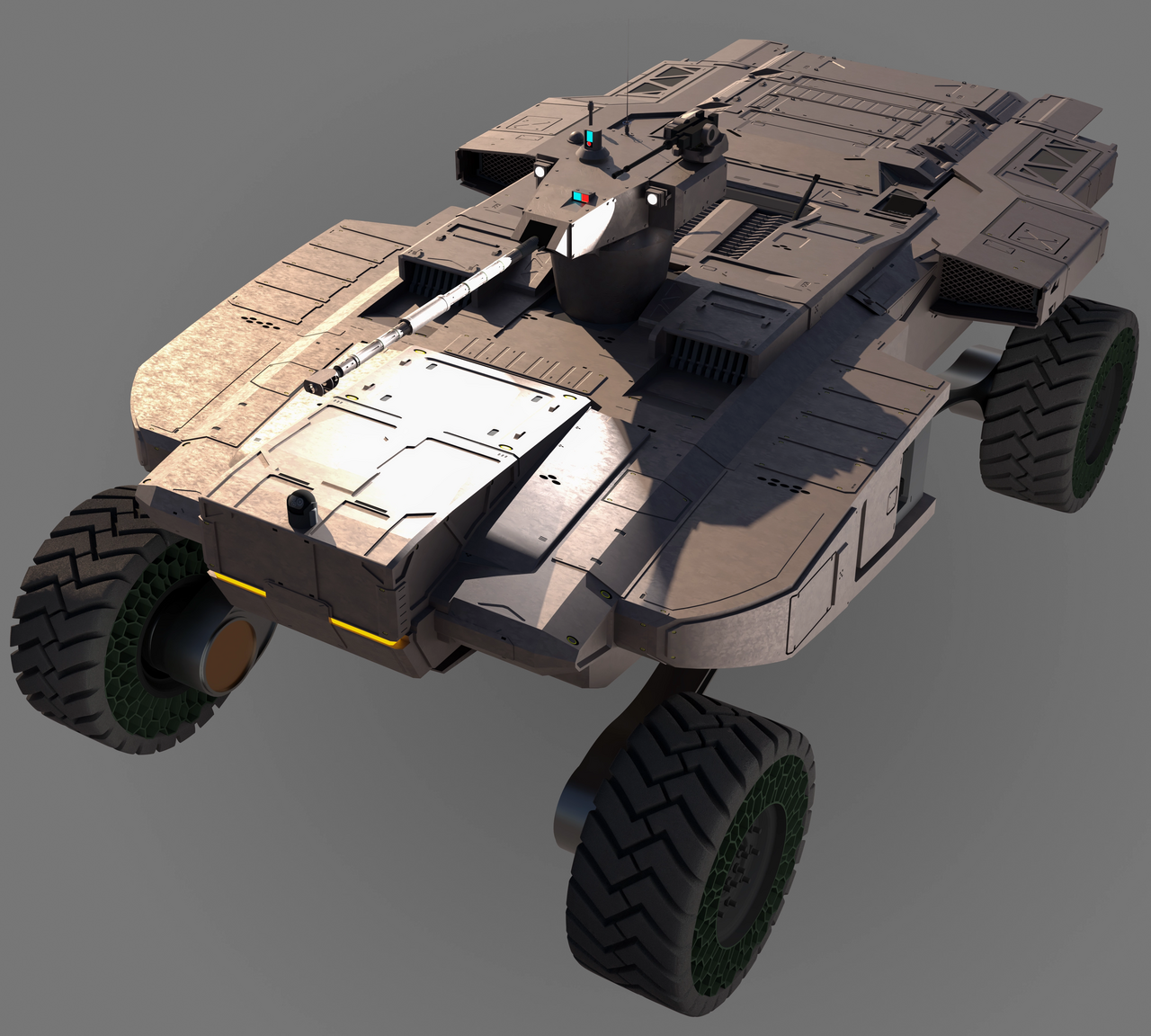
Turkish defense giant Havelsan has unveiled its Barkan 3 unmanned ground vehicle (UGV), alongside an advanced AI-driven combat management system. This development represents a pivotal step towards integrating autonomous ground and aerial platforms into coordinated, multi-domain swarms for future battlefield scenarios.
Lithuania, a NATO member, has purchased 48 Merops interceptor drones from Perennial Autonomy, signaling a wider NATO adoption of ultra-low-cost counter-drone systems. This strategic shift aims to overcome the significant cost imbalance where intercepting threats has traditionally been far more expensive than launching them.
The Pentagon's drone warfare budget is set to explode from $226 million to $54 billion under the proposed 2027 spending plan. This colossal investment is coupled with new DARPA initiatives designed to overcome critical human-operator limitations and enable truly autonomous, self-organizing drone teams, addressing a key challenge in modern warfare.

Turkey's SAHA defense expo organizers are planning an ambitious strategy to establish drone production and training centers in all 81 of the country's provinces, funded by expo revenues. This unprecedented move aims to instantly achieve a nationwide capacity for producing millions of drones, signaling a significant shift in its defense-industrial strategy. The 2026 edition of SAHA is set to break records with $8 billion in targeted deals and increased international participation.
Dutch startup Intelic has launched BASE, a new European military drone marketplace designed to dramatically accelerate procurement by centralizing offerings from nine countries. This platform, inspired by Ukraine's rapid fielding of unmanned systems, aims to overcome fragmentation and ensure interoperability through Intelic's Nexus command-and-control software. It promises plug-and-play systems ready for coalition use, drastically shortening the time from requirement to deployment for defense ministries.
The U.S. Army is aggressively deploying advanced drone technology and expeditionary 3D printing capabilities during Exercise Balikatan 2026 in the Philippines, showcasing a critical acceleration in combat readiness and sustainment. This multilateral exercise, involving over 17,000 troops, serves as a vital proving ground for the 'Tropic Lightning' division's transformation into a more agile and technologically sophisticated fighting force. The integration of Kestrel FPV drones and on-demand manufacturing highlights the evolving nature of modern warfare in the Indo-Pacific.
The U.S. Marine Corps has dramatically accelerated its unmanned strike capabilities, amassing over 3,500 first-person view (FPV) attack drones from zero in just a few months, with thousands more on order. This rapid fielding underscores a top-down mandate to integrate advanced autonomous weapons into the Fleet Marine Force, driven by lessons from modern conflicts. The service is swiftly institutionalizing FPV drone use through dedicated training, competitions, and doctrine development.