Drones & Autonomous
94 articles · Coverage updated continuously
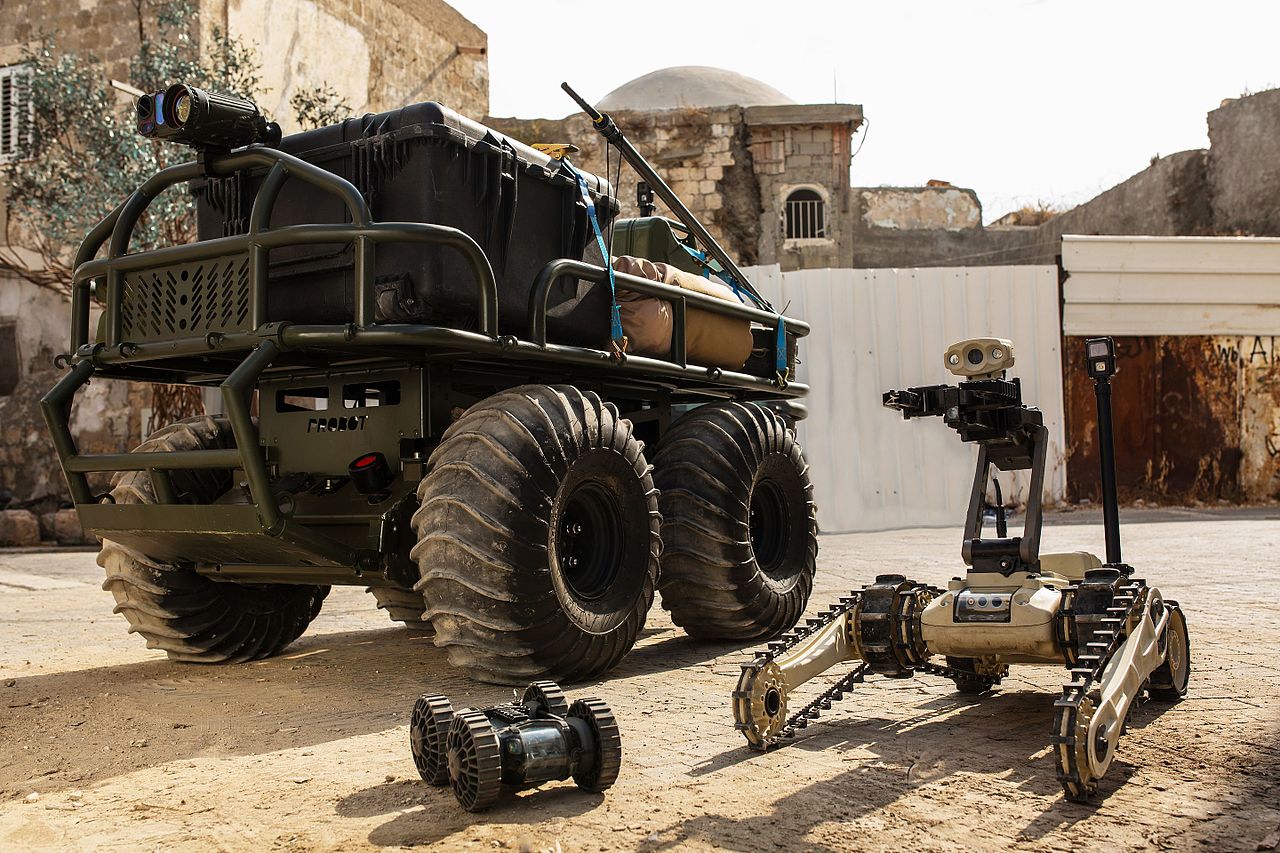
NATO forces recently encountered a significant tactical challenge during exercises in Latvia, as unmanned ground vehicles (UGVs) proved their disruptive potential on the battlefield. These drills, conducted within proximity to the Russian border, highlighted an urgent need for the alliance to rapidly integrate ground robotics into its combat doctrine and training. The experience underscored a potential gap in current capabilities, particularly when compared to the well-established use of aerial drones.
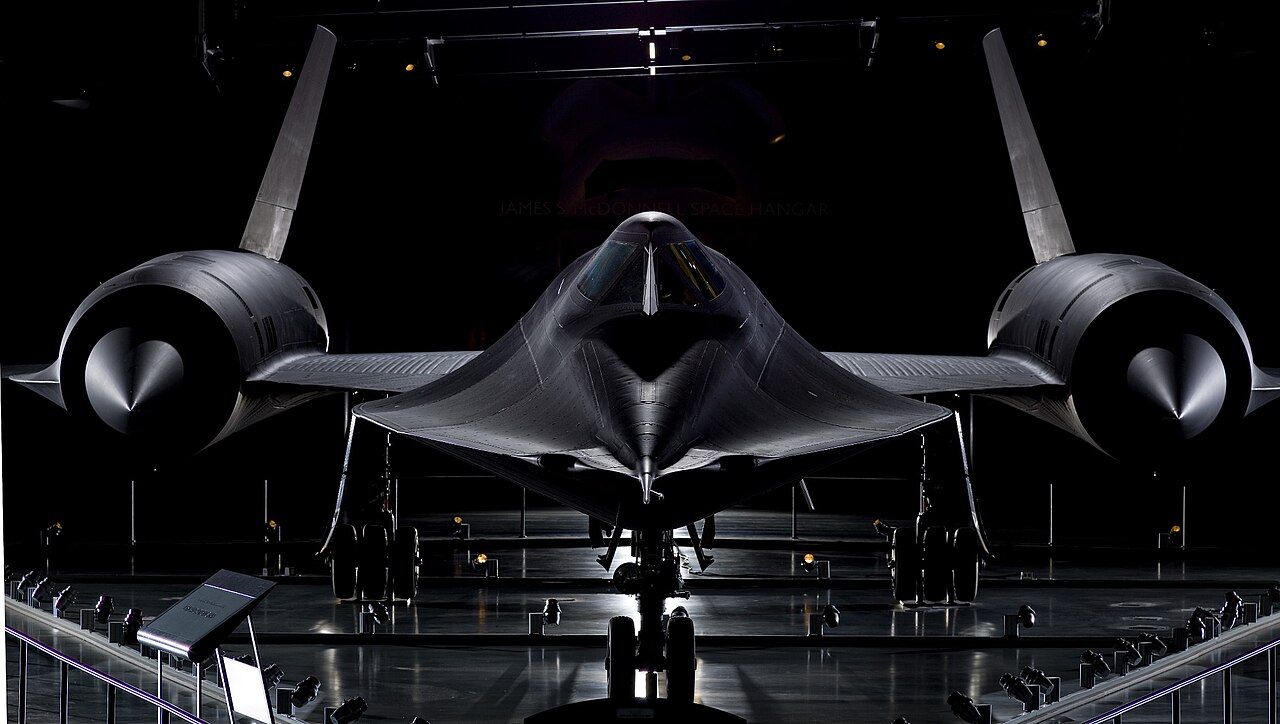
Federal authorities have brought charges against a former University of Michigan research scholar, alleging he concealed significant ties to a Chinese company that develops and produces unmanned aerial vehicles for Beijing's military. The indictment underscores persistent national security concerns surrounding clandestine efforts to leverage U.S. academic environments for foreign defense technology acquisition and development.
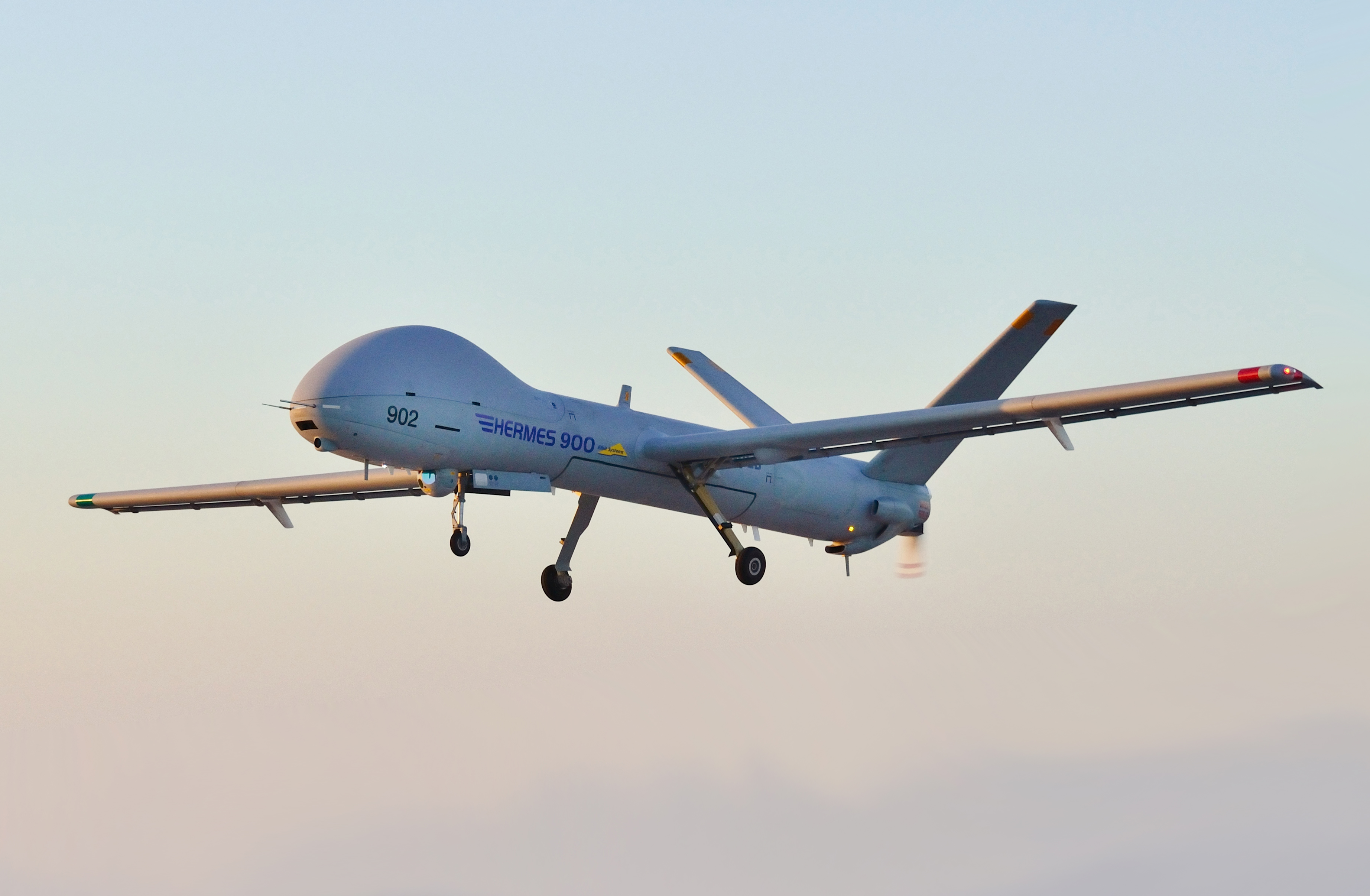
A new generation of vertical-takeoff-and-landing aircraft, featuring a unique slowed-rotor design and hybrid-electric propulsion, has been unveiled by aerospace firm AIRO. These dual-use drones are poised to address critical operational gaps in military resupply chains and long-duration intelligence, surveillance, and reconnaissance (ISR) missions, especially in remote or austere environments. Their design represents a significant step towards more adaptable and efficient uncrewed aerial systems for defense and commercial applications.

The U.S. Army has inaugurated a new office dedicated to mission autonomy, signaling a significant shift in its approach to unmanned operations. This specialized unit will move beyond merely acquiring standalone robotic platforms, instead focusing on integrating diverse autonomous systems into cohesive "packages of capability" tailored for specific operational needs.
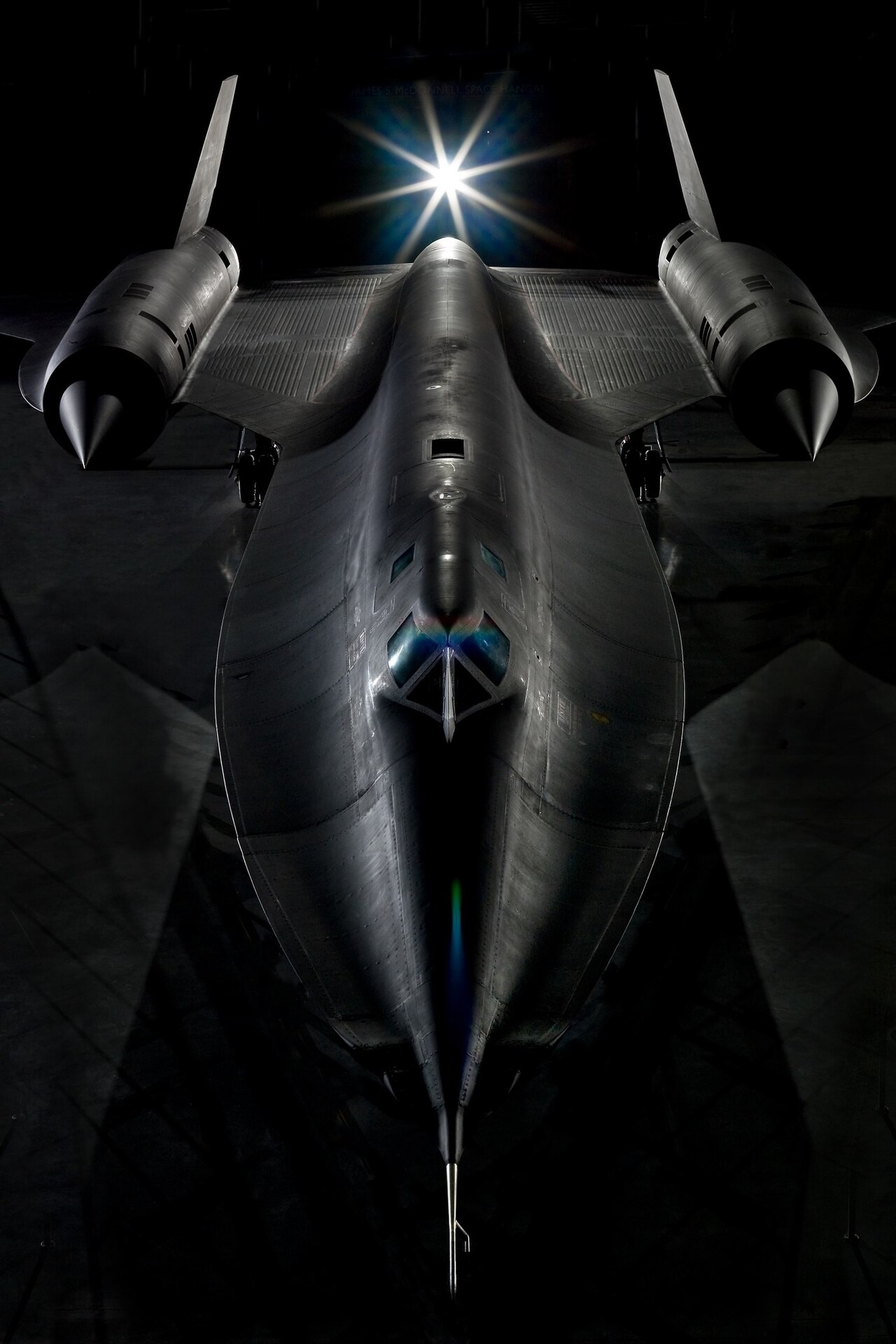
The United Kingdom has significantly advanced its autonomous combat capabilities, selecting four key industry partners to develop drone wingmen for its Apache attack helicopter fleet. This strategic move, part of Project NYX, aims to integrate advanced uncrewed systems to bolster operational effectiveness and redefine battlefield tactics. The initiative reflects a broader shift towards leveraging AI and autonomous technology within national defense strategies.
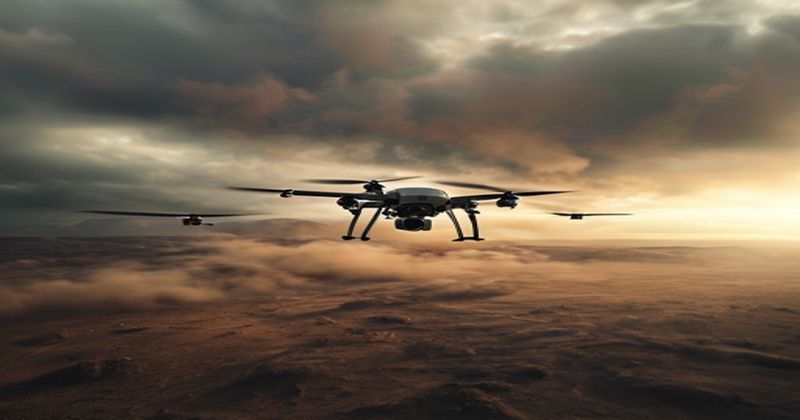
The U.S. Air Force's MQ-9 Reaper fleet has experienced a notable reduction in its operational numbers, now standing significantly below its historical baseline. These losses, incurred during recent combat operations, are compelling the service to rapidly pursue a new strategy for unmanned aerial systems tailored for contested environments.
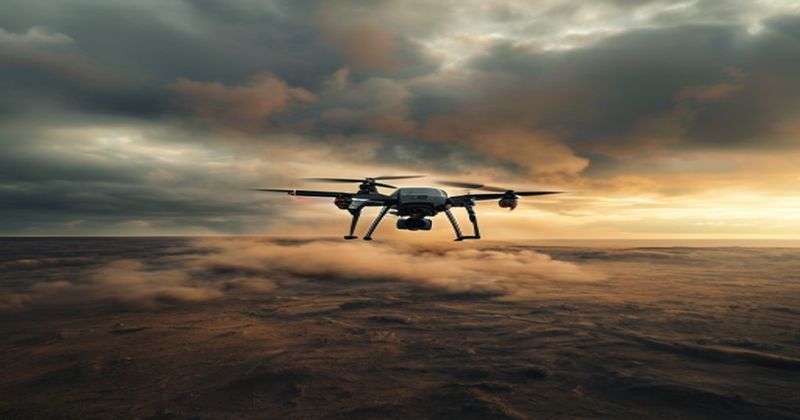
Kyiv is pivoting towards a new era of defense exports, signaling a strategic shift to leverage its combat-honed innovations on the global stage. This move, highlighted by a proposed collaboration with the United States on drone technology, aims to integrate Ukrainian battlefield experience into international military supply chains while fueling its own industrial expansion.
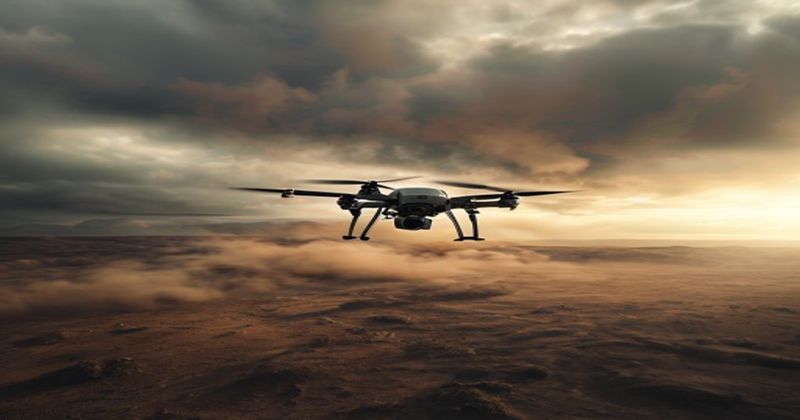
A Ukrainian-developed unmanned ground vehicle, designated 'Simba,' made its inaugural appearance in a NATO exercise held in the Baltic region, showcasing its capabilities in a simulated operational environment. This event marks a significant public debut for the previously low-profile manufacturer, emphasizing the integration of battlefield-proven robotics into alliance drills.
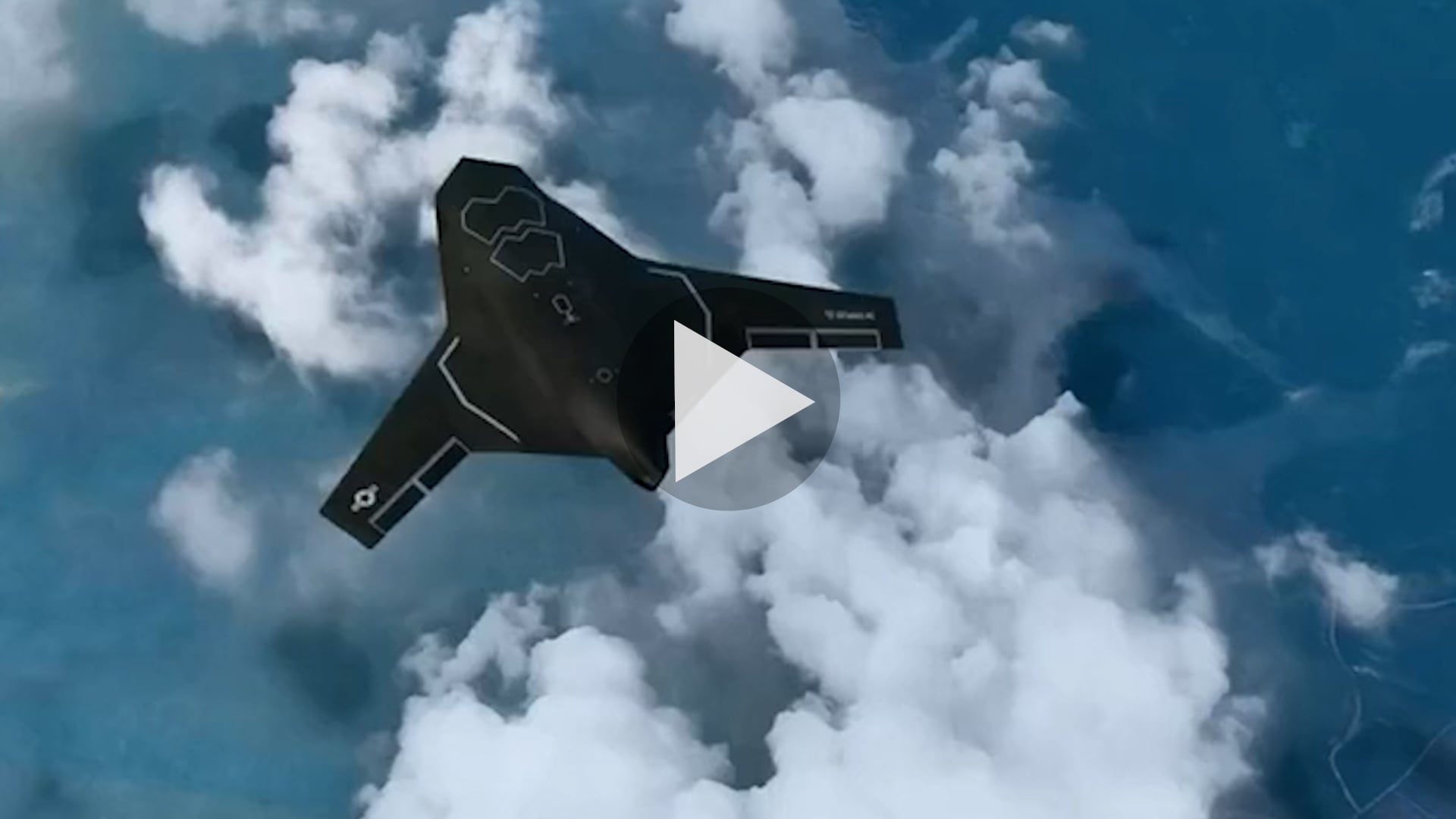
The integration of loyal wingman drones with crewed fighter jets is rapidly transitioning from conceptual design to imminent operational deployment, poised to fundamentally alter global airpower dynamics. This represents a critical inflection point, challenging defense strategists and technology developers to define the future of manned-unmanned teaming in combat scenarios.
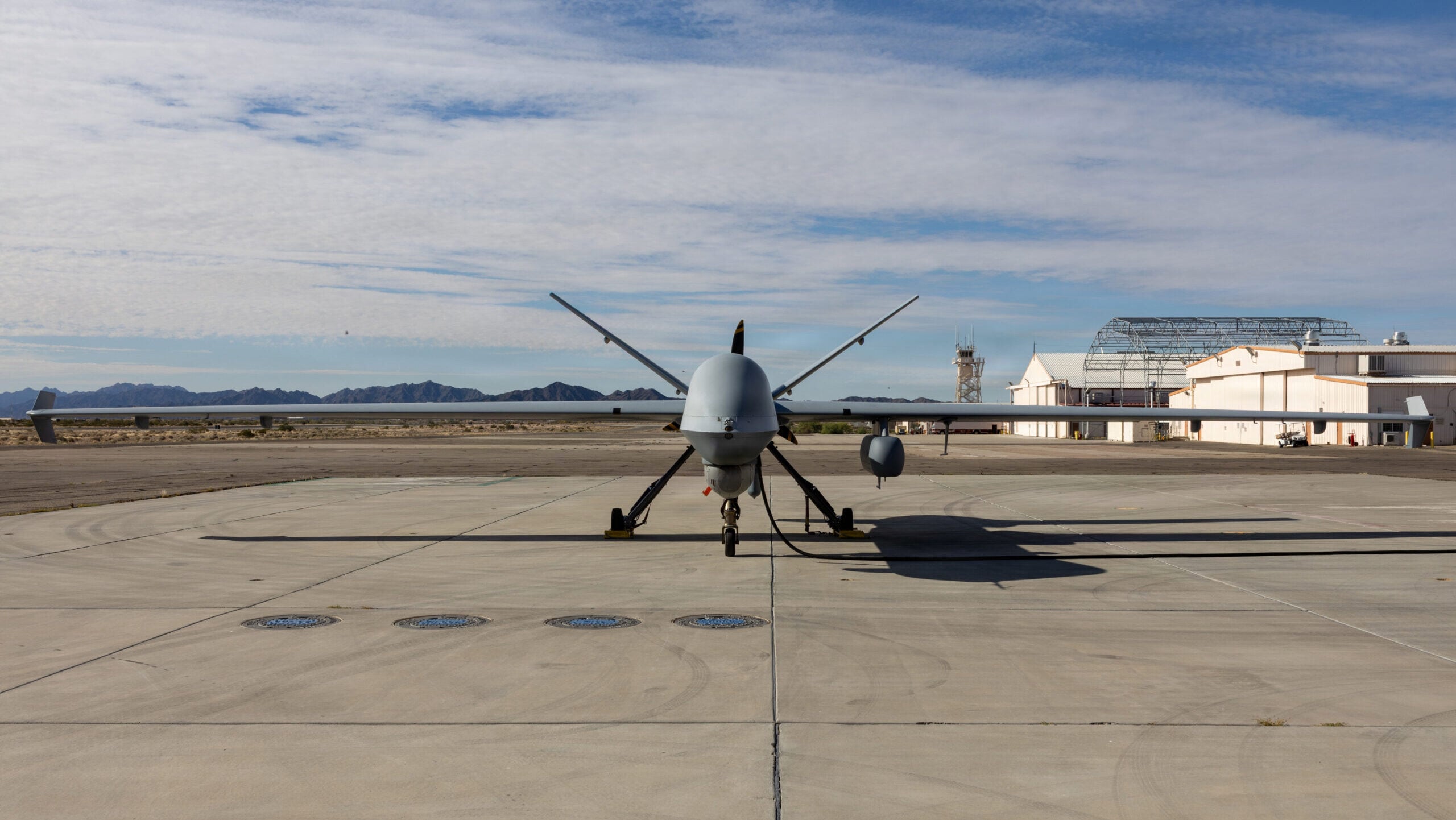
The U.S. Air Force has officially defined the necessary attributes for its next-generation unmanned aerial system, aiming to succeed the long-serving MQ-9A Reaper. This strategic move underscores a critical shift towards more resilient and cost-effective aerial platforms designed for future high-threat operational environments. The service is simultaneously working to replenish current combat losses of its existing drone fleet.
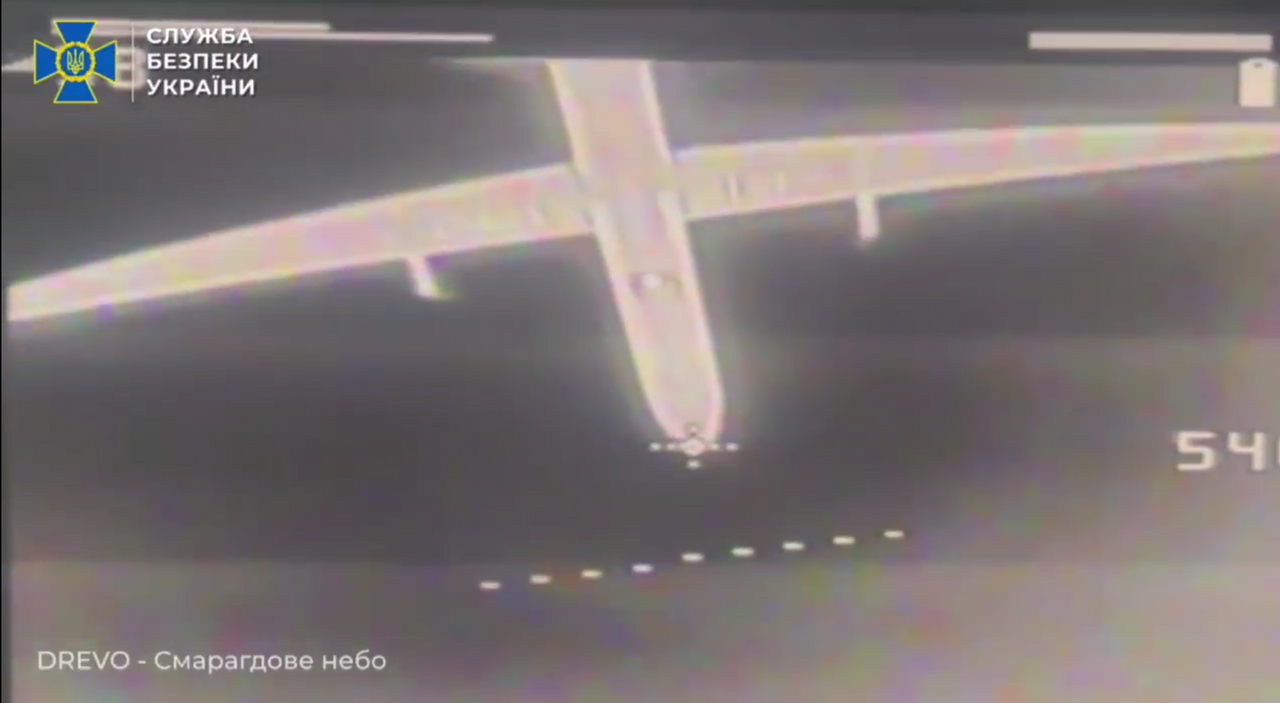
NATO is establishing an innovative marketplace to streamline the procurement of counter-unmanned aerial systems (C-UAS) for its member nations. This strategic initiative aims to drastically cut down the time it takes for cutting-edge defensive technologies to reach operational forces, adapting to the accelerated pace of modern warfare.
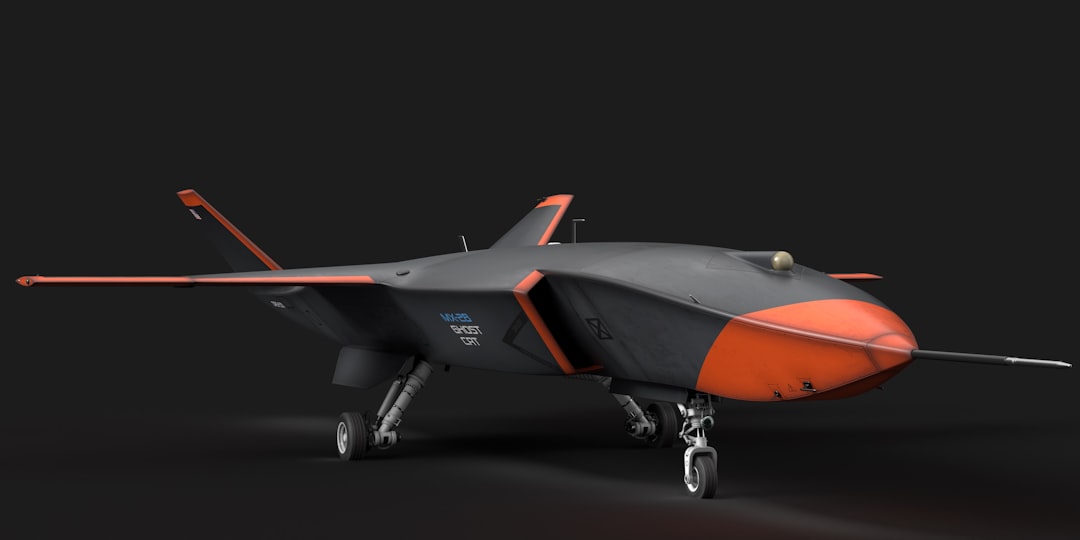
The Air Force has successfully demonstrated the MQ-9 Reaper's capability to intercept aerial threats using a cost-effective air-to-air missile. This development signifies a strategic shift towards more economical counter-drone solutions, particularly important given the rising prevalence of cheap, one-way attack unmanned systems in contested environments.