Drones & Autonomous
94 articles · Coverage updated continuously
Defense priorities are increasingly focusing on innovations that enhance operational reach and adaptability. A key development gaining traction is the integration of hybrid propulsion systems into military drones, promising extended endurance and varied mission capabilities. This technological evolution aligns with broader strategic demands, including a renewed push for robust naval assets.

General Atomics has restarted flight testing for its autonomous drone wingman platform, Dark Merlin, approximately seven weeks after a significant operational mishap. This rapid return to the skies underscores the accelerated development and testing pace of the U.S. Air Force’s Collaborative Combat Aircraft program.
As adversaries increasingly target GPS, a critical vulnerability for modern military operations, new technologies are emerging to ensure the uninterrupted functionality of unmanned aerial systems. Advanced 3D mapping data offers a promising solution, enabling drones to maintain precise navigation even when global positioning signals are unavailable or contested. This capability is paramount for future combat and logistical support.
The U.S. Navy has authorized the initial phase of production for its MQ-25A Stingray unmanned aerial refueler, a critical development following recent successful test flights. This decision marks a significant milestone in integrating autonomous systems into naval carrier operations, poised to reshape the reach and effectiveness of air wings at sea.
NATO is rapidly advancing plans for an 'autonomous zone' along its eastern borders, designed to leverage unmanned systems for early detection and engagement. This strategic initiative aims to establish a machine-centric buffer, minimizing human exposure to risk in the initial stages of any potential conflict with an aggressor.
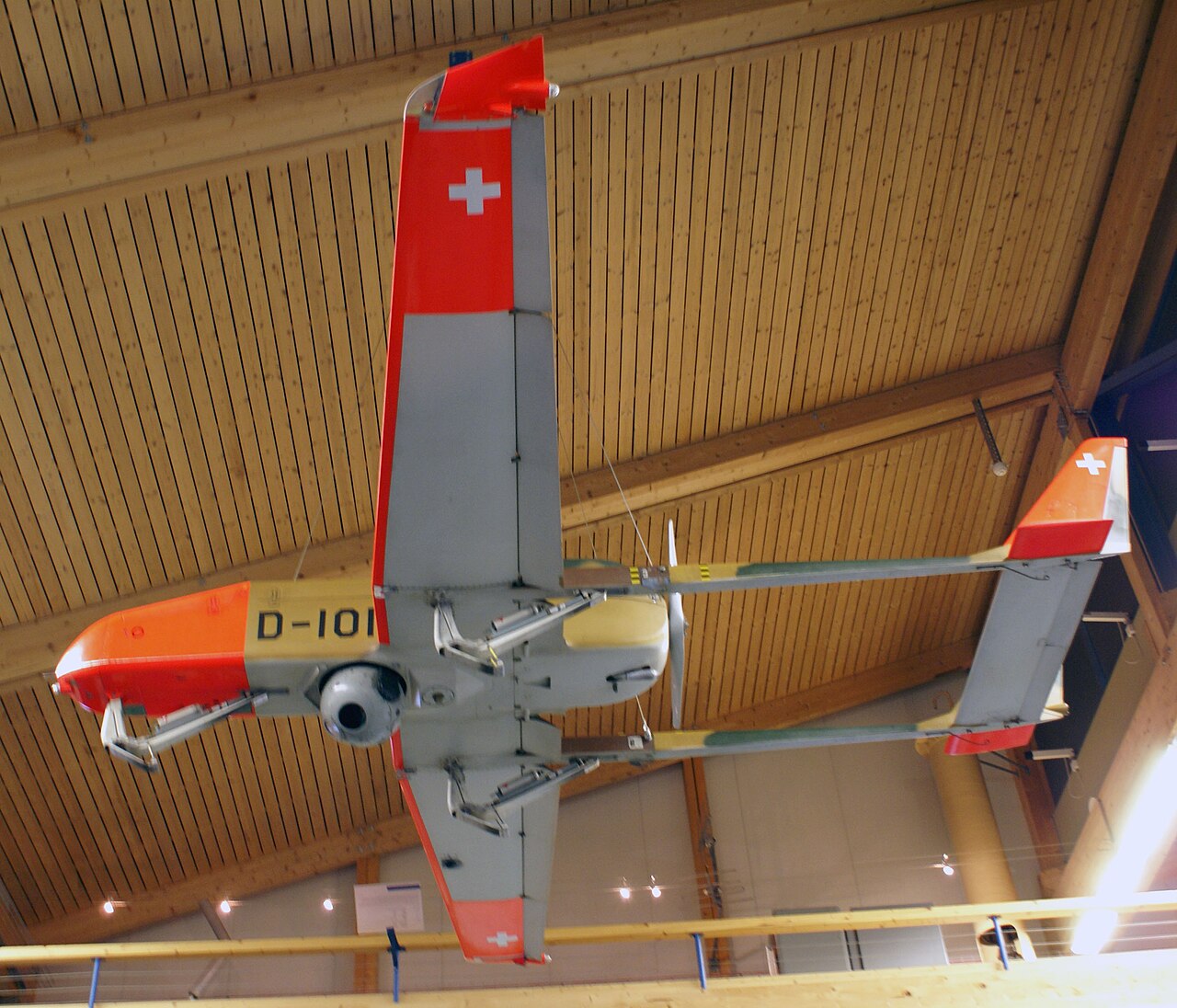
The United States' southern frontier is emerging as a critical operational laboratory for developing advanced counter-unmanned aerial system technologies, according to the commander of US Northern Command. This initiative transforms the border into a unique proving ground where defense industries can rigorously test and refine solutions against escalating drone threats posed by transnational criminal organizations. The strategic focus is on accelerating the deployment of effective countermeasures for homeland security and beyond.
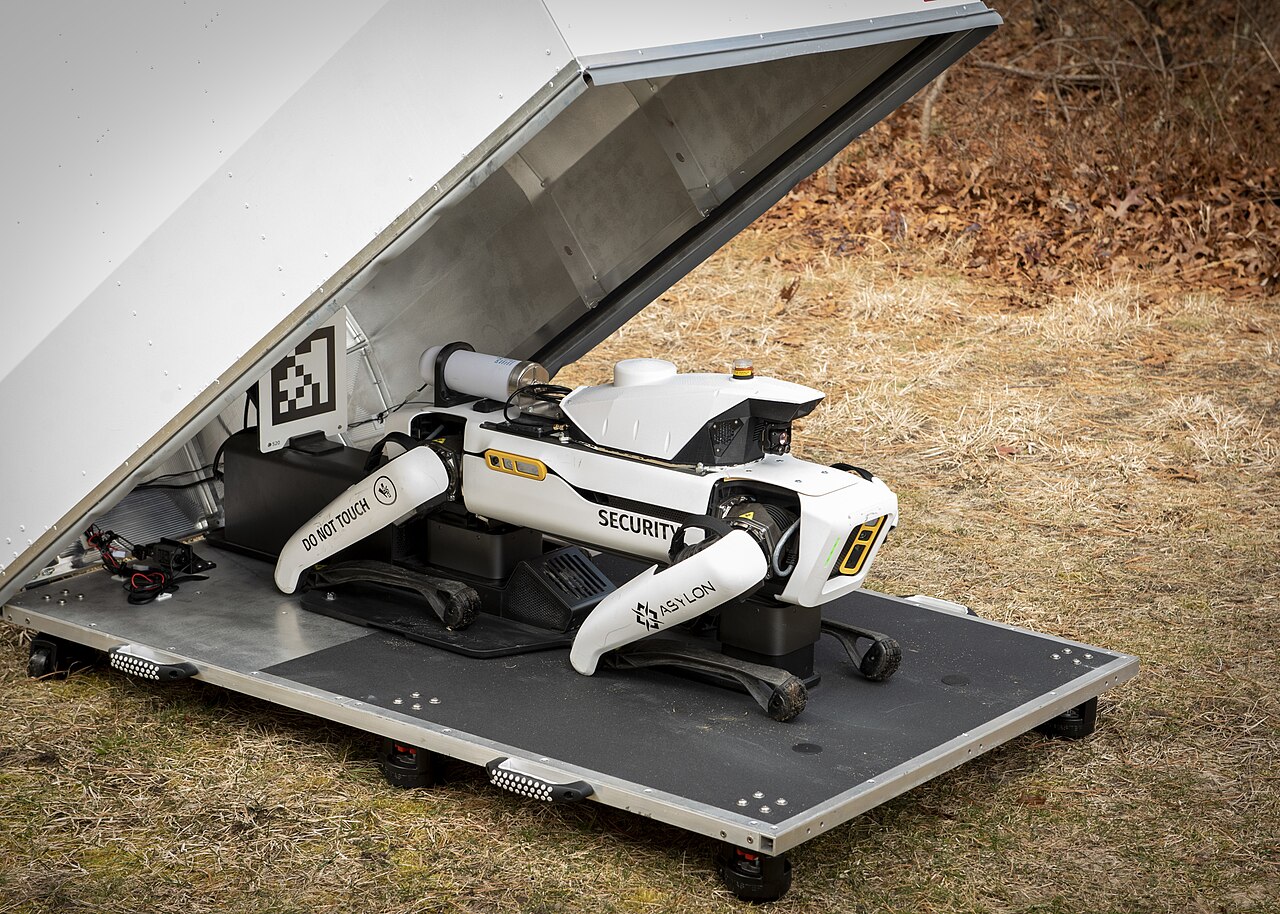
A single Ukrainian ground combat robot recently maintained a critical defensive posture against sustained adversary attacks for over six weeks, marking a pivotal moment in the operational deployment of unmanned systems. This extended engagement, achieved without direct human casualties, demonstrates a growing reliance on robotic platforms in frontline warfare, transforming tactical defensive strategies.

Despite the growing advantages of unmanned aerial systems, human operators remain an indispensable component in the evolving loyal wingman drone programs. Militaries worldwide, spearheaded by the US Air Force, are actively defining the optimal balance between autonomous capabilities and direct human oversight to maximize operational effectiveness and mitigate risks.
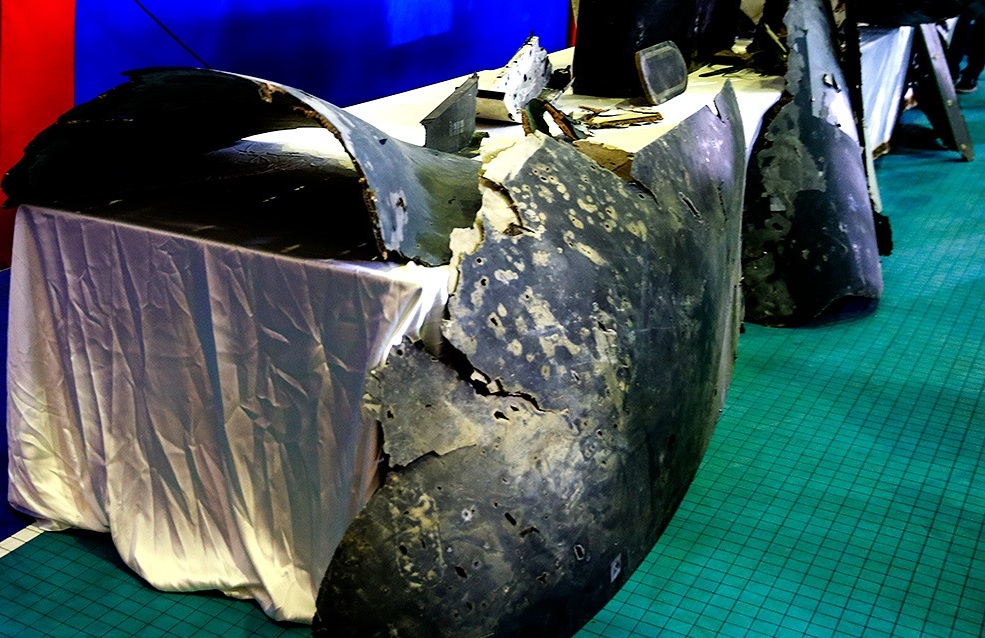
The Pentagon has committed substantial resources to bolster its aerial defense capabilities, awarding a contract valued at half a billion dollars to Perennial Autonomy. This major investment aims to rapidly acquire advanced counter-unmanned aerial systems, reflecting the urgent need to address the evolving threat landscape posed by pervasive drone technology.

The U.S. Navy has officially greenlit the MQ-25A Stingray unmanned aircraft for initial production and deployment, marking a pivotal shift in carrier strike group capabilities. This strategic move introduces the Navy's first operational carrier-based drone, poised to revolutionize aerial refueling logistics and enhance air wing effectiveness.

The Pentagon has contracted Shield AI to integrate its Hivemind autonomy software onto the new Low-Cost Uncrewed Combat Attack System (LUCAS), signaling a significant advance in military drone capabilities. This strategic move aims to enable sophisticated drone swarm operations, aligning with the Defense Department's aggressive push for rapidly deployable autonomous systems. The initiative leverages a drone design inspired by foreign technology, demonstrating a pragmatic approach to accelerating innovation in contested operational environments.
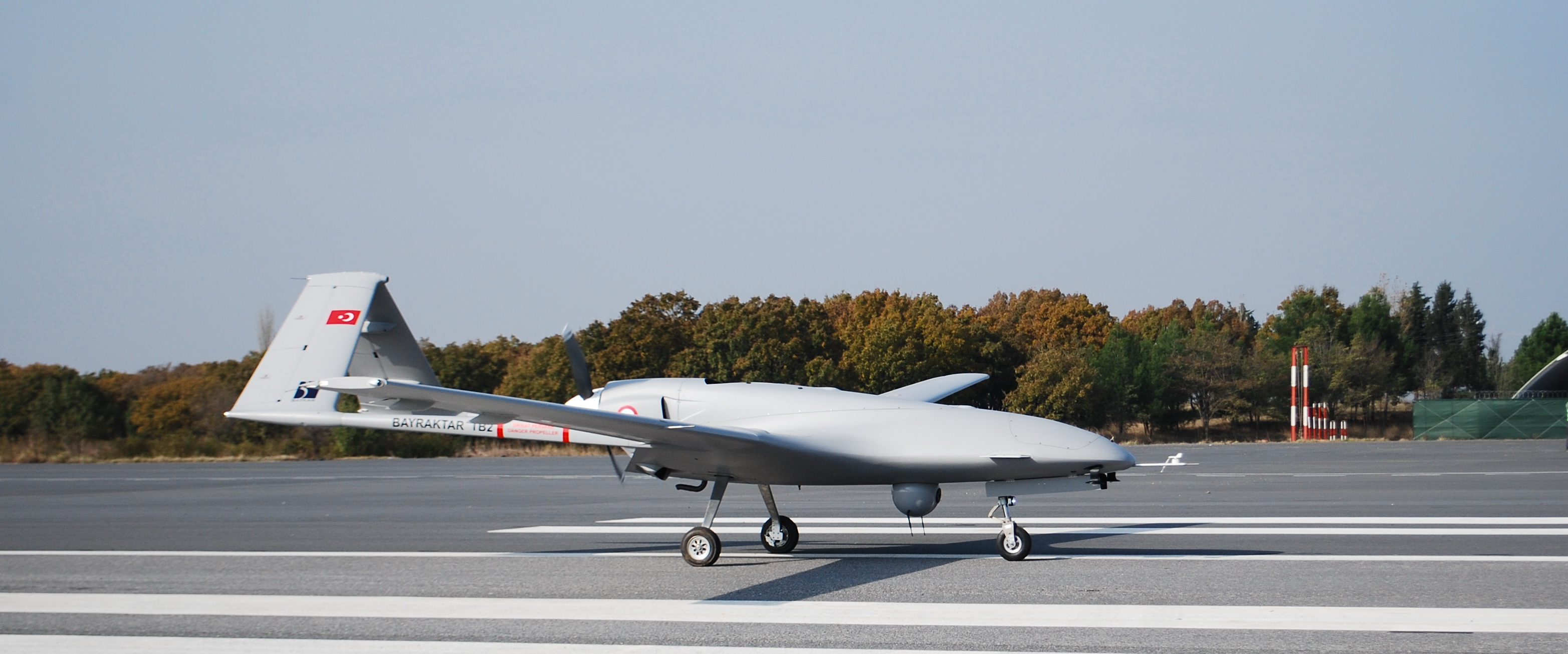
The Pentagon has identified five top innovators in its recent "Lethality Prize Challenge," a critical step within the broader Drone Dominance initiative. This selection aims to fast-track advanced weapon payloads for small unmanned aerial systems, crucial for accelerating their integration into military operations. The program prioritizes scalable and affordable solutions to meet future battlefield demands.