Drones & Autonomous
94 articles · Coverage updated continuously

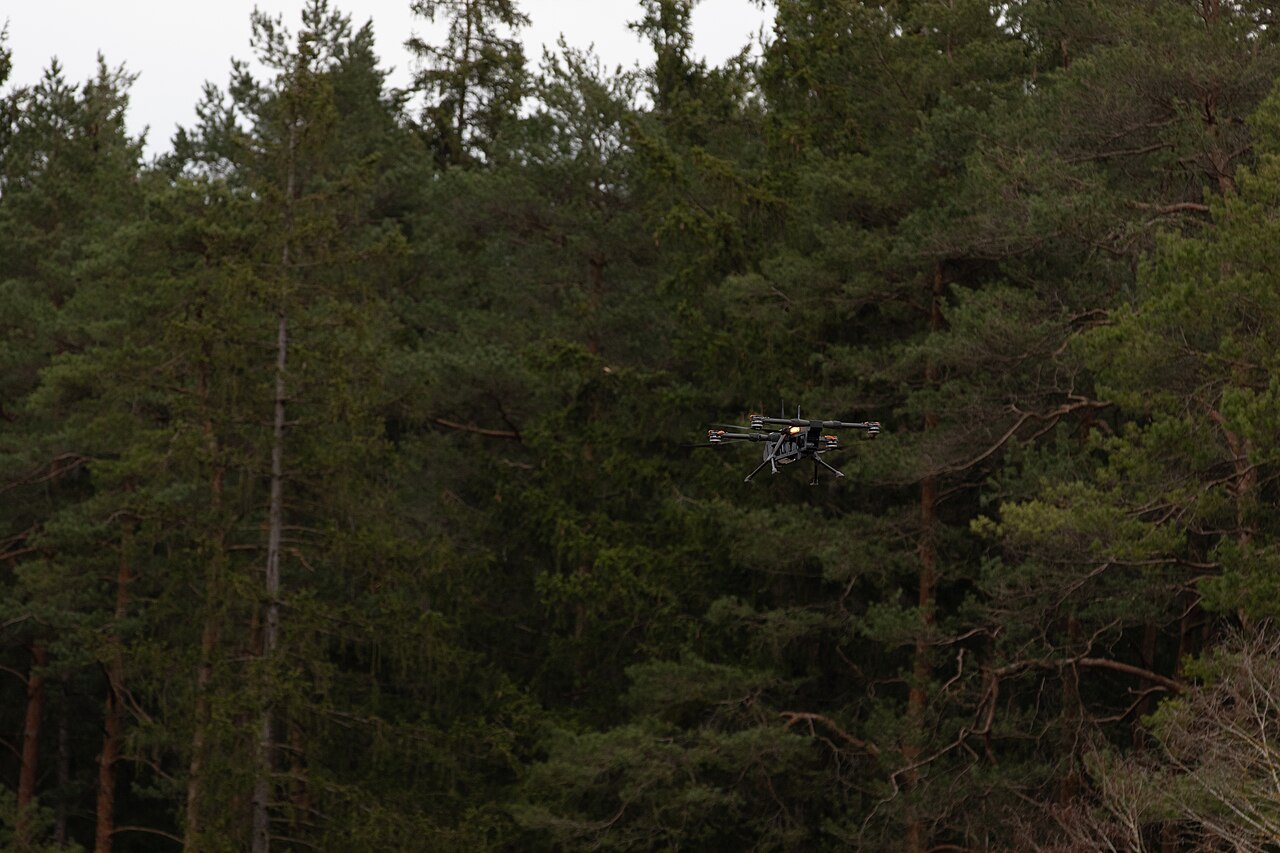
Latvia is rapidly deploying new mobile counter-drone units to its eastern frontier in response to a recent surge in uncrewed aerial vehicle incursions. This proactive measure highlights the evolving low-altitude threat landscape in the Baltic region and the urgent need for agile defensive capabilities.
The U.S. Special Operations Command is planning a significant expansion of drone testing capabilities in Mississippi, aiming to establish a state-of-the-art proving ground for autonomous systems. This initiative underscores the Pentagon's urgent drive to master sophisticated robotic warfare, driven by lessons from contemporary battlefields and strategic directives to enhance national drone dominance.

India has successfully finalized developmental assessments for a new precision-guided missile designed for deployment from unmanned aerial vehicles, significantly expanding its combat capabilities. This initiative marks a strategic shift for the nation, moving beyond traditional intelligence roles for its drone fleet to integrate potent offensive and defensive functions. The domestically developed weapon underscores a growing commitment to self-reliance in advanced defense technologies.
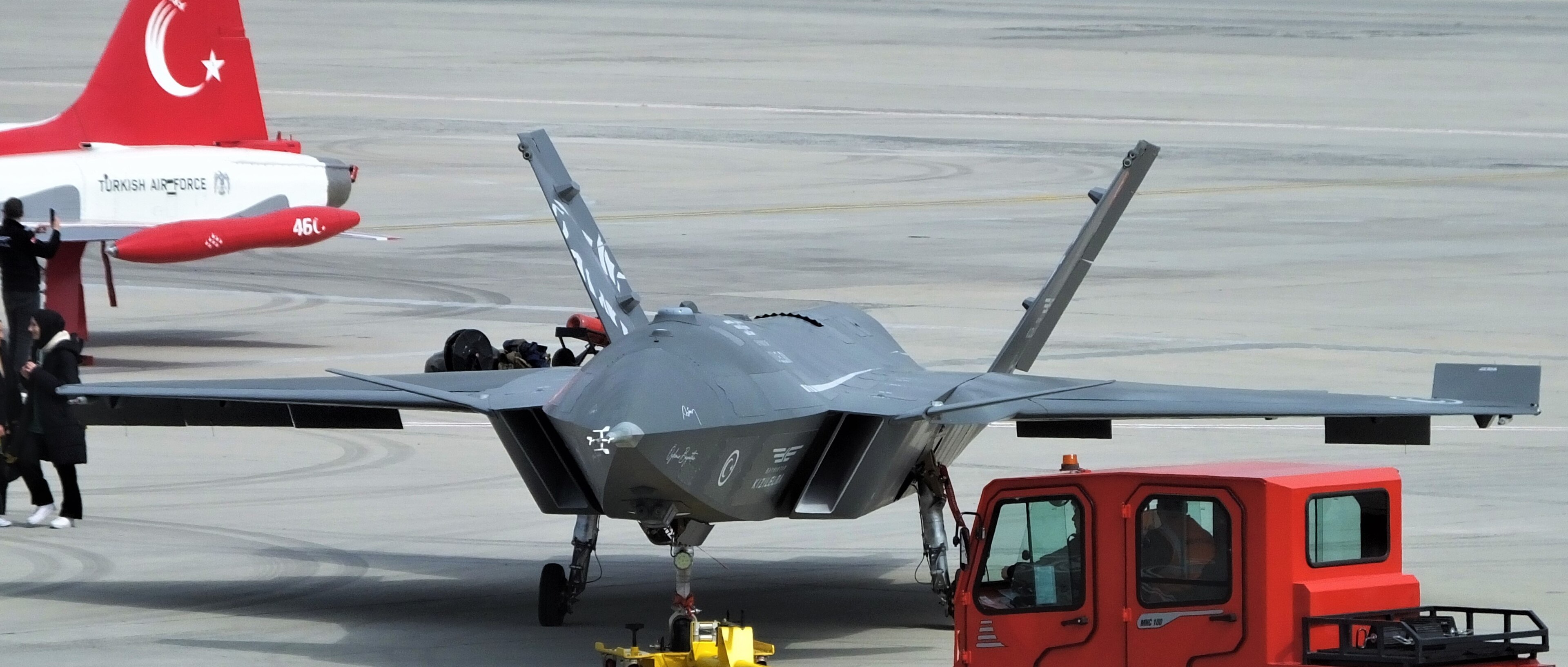
The strategic landscape for unmanned aerial systems is rapidly evolving, with key global powers and their alliances increasingly focused on the development of AI-powered loyal wingman drones. This burgeoning technology represents a pivotal shift in aerial combat doctrine, prompting nations to adapt their industrial capacities and operational strategies. A critical examination reveals varied philosophies on integration and deployment, from advanced Western concepts to competitor approaches.
The U.S. Defense Advanced Research Projects Agency (DARPA) is actively soliciting proposals for advanced robotic systems to revolutionize battlefield casualty care. This initiative seeks to deploy autonomous medicbots capable of critical interventions in scenarios where traditional medical support is overwhelmed by large-scale combat operations.
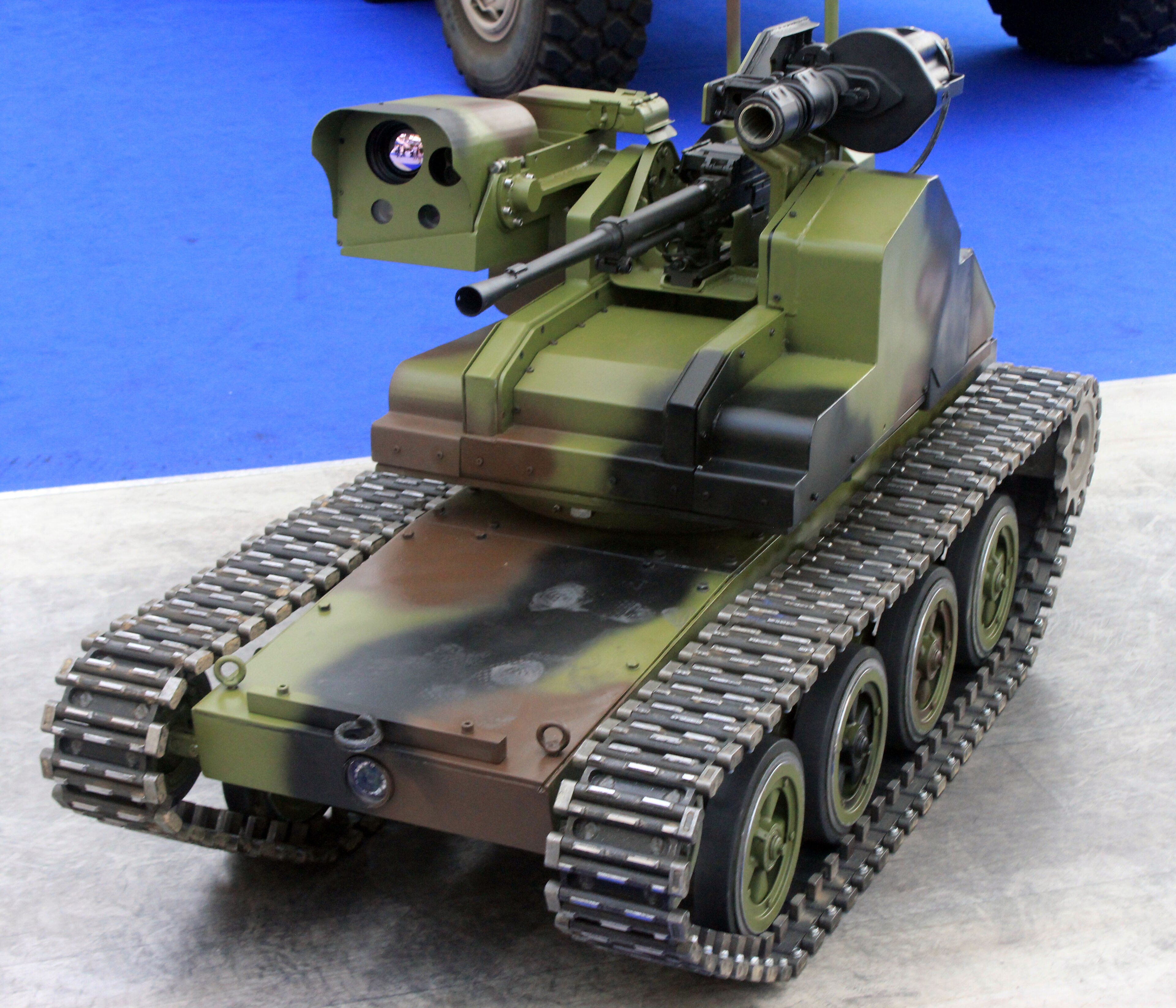
Recent NATO exercises in Latvia provided a critical testing ground for the integration of unmanned ground vehicles (UGVs) into combat operations. These deployments highlight the alliance's accelerating push towards advanced manned-unmanned teaming (MUM-T) capabilities. Such initiatives reflect a strategic evolution rooted in decades of military doctrine, moving beyond mere technological adoption to fundamental operational shifts.
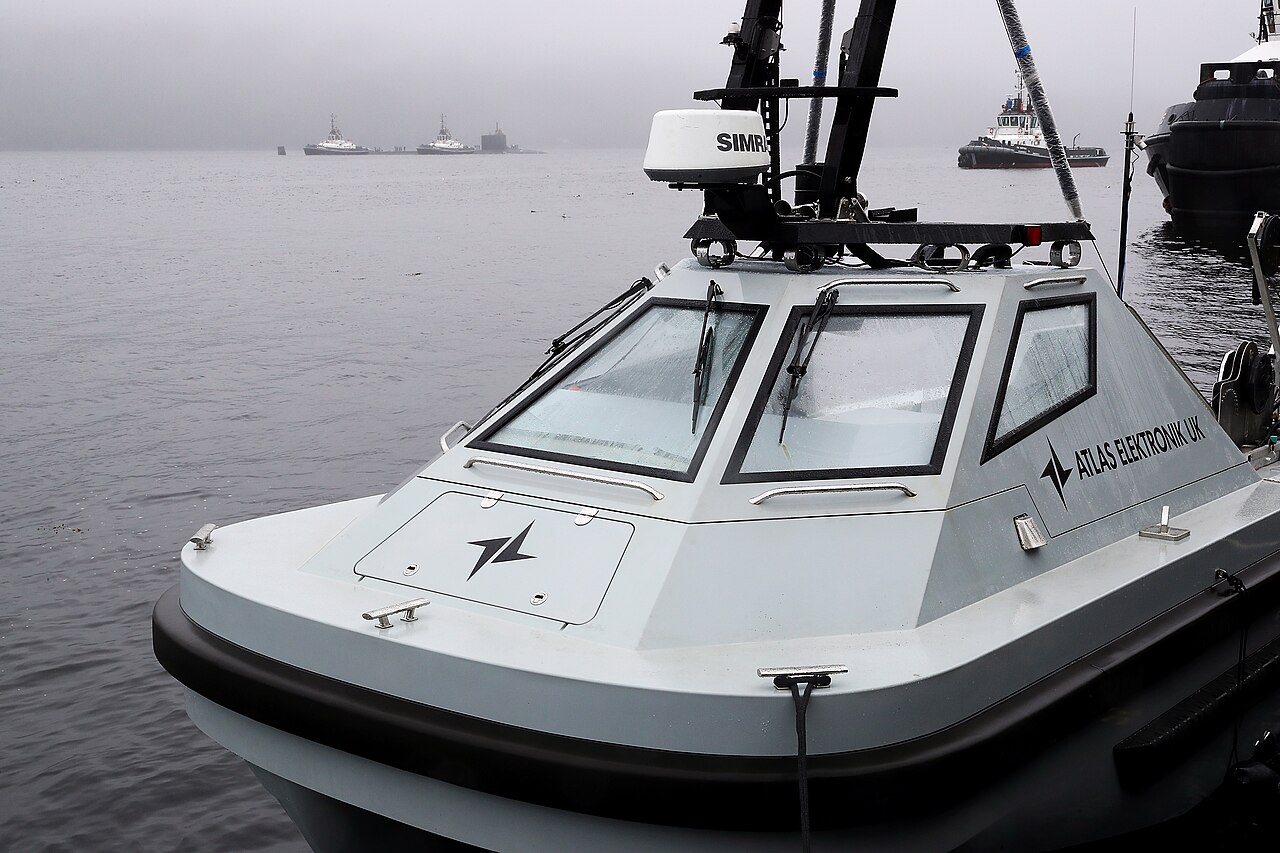
The U.S. Navy is moving forward with a crucial phase in its unmanned maritime strategy, selecting seven designs for prototype development in its Medium Unmanned Surface Vessel (MUSV) marketplace initiative. This advancement signals a significant shift in how the service aims to acquire and integrate autonomous platforms into its future fleet architecture.

The United States Department of Defense is poised for an unprecedented escalation in autonomous warfare capabilities, with an astounding financial commitment proposed for its newly formed Defense Autonomous Warfare Group (DAWG). The White House's latest budget request earmarks tens of billions for this initiative, signaling a fundamental shift from experimental projects to a permanent and critical branch of military development. This move follows the recent discontinuation of the Replicator Initiative, aiming to overcome its prior limitations.
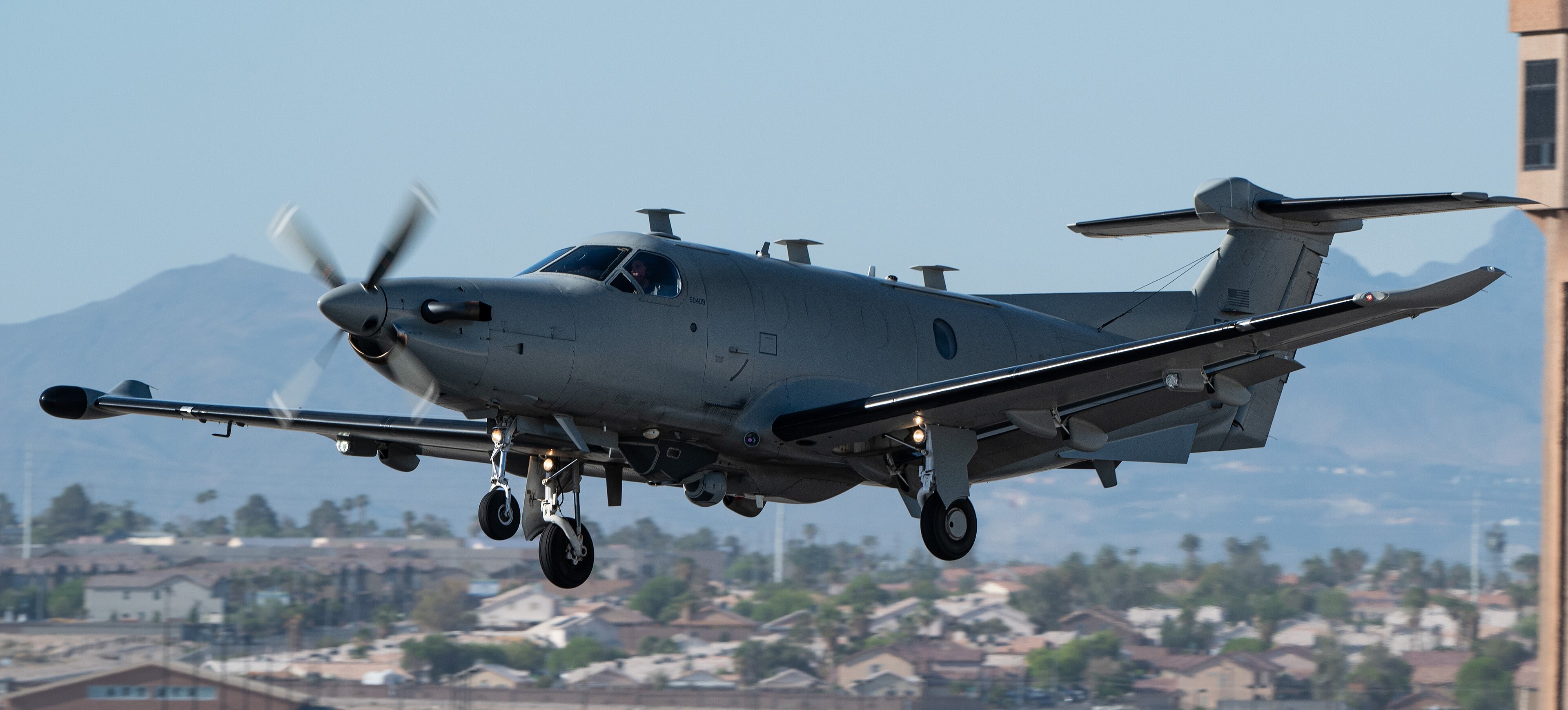
The U.S. Marine Corps is actively exploring innovative combat tactics, recently testing the use of a traditional helicopter as a mobile command center for tactical drones. This strategic move aims to significantly extend the operational reach and flexibility of low-cost unmanned aerial systems in future conflicts.
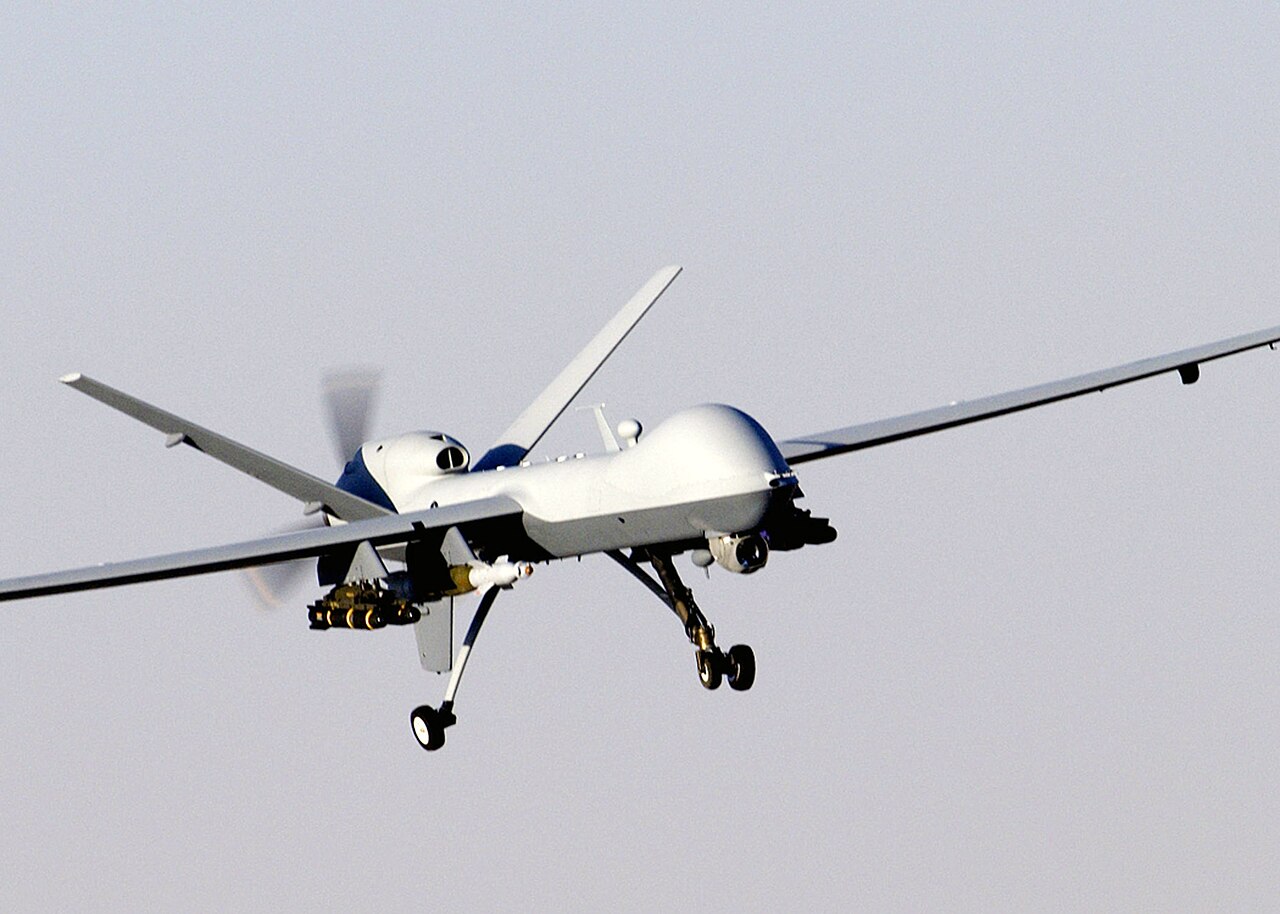
General Atomics’ experimental Collaborative Combat Aircraft (CCA) drone has successfully resumed flight testing, approximately one month after experiencing a desert crash. This swift recovery highlights the agility of the Air Force's approach to developing uncrewed aerial wingmen, moving forward despite initial setbacks.
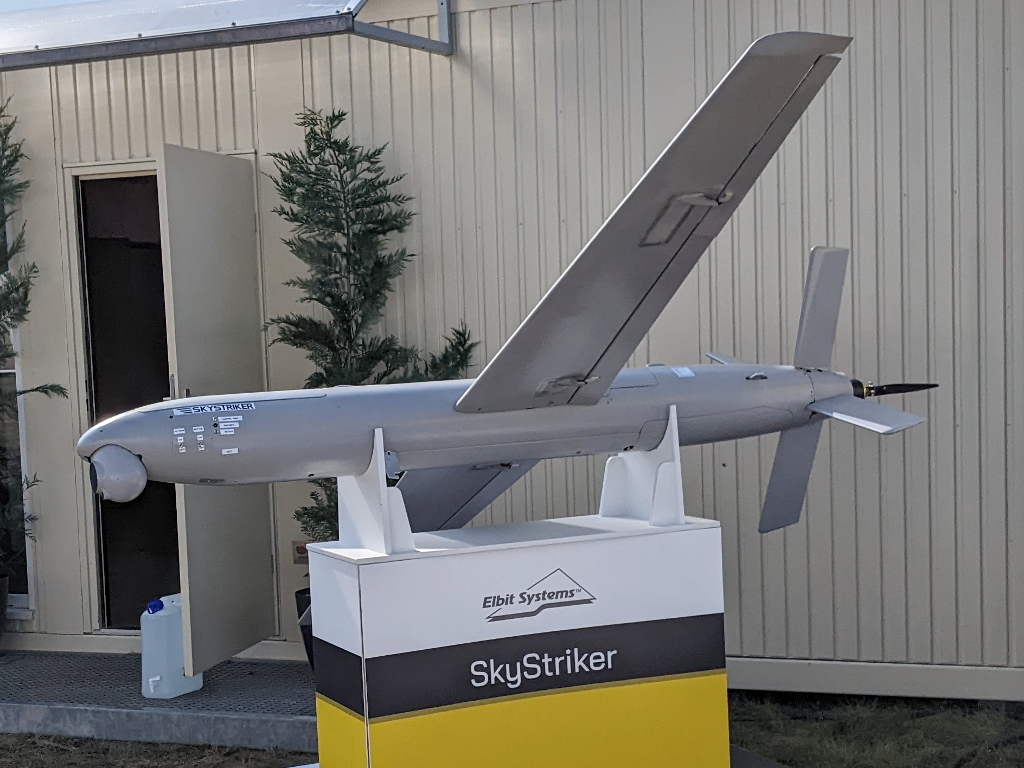
SOF Week 2026 underscored the accelerating evolution of unmanned aerial systems for tactical engagements, with advanced loitering munitions and launched effects taking center stage. The expo highlighted a clear industry focus on enhancing the capabilities and production scale of these critical battlefield assets for special operations and conventional forces alike.
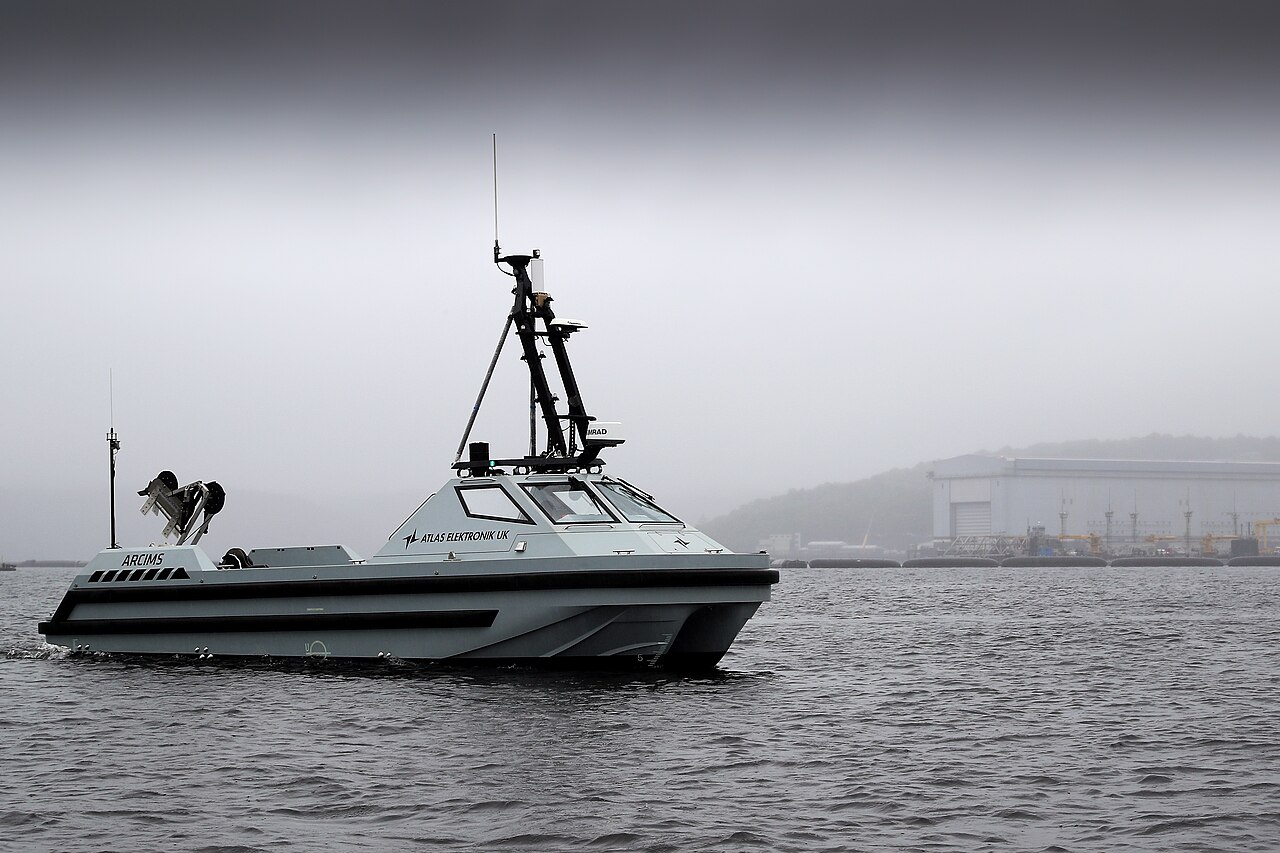
Turkey is significantly enhancing its naval capabilities with the acquisition of a substantial fleet of one-way explosive unmanned surface vessels. This strategic move, approved by the nation's top defense procurement body, underscores a growing commitment to modernizing maritime warfare through autonomous systems. The initiative involves multiple domestic defense contractors producing these advanced platforms for future operational deployment.