Cybersecurity
539 articles · Coverage updated continuously
The cybersecurity landscape is currently grappling with a wave of complex threats, highlighted by a significant breach at a major code hosting platform originating from a compromised developer tool. This incident, alongside the discovery of long-standing system vulnerabilities and active exploits in security products, underscores a widening attack surface for adversaries.
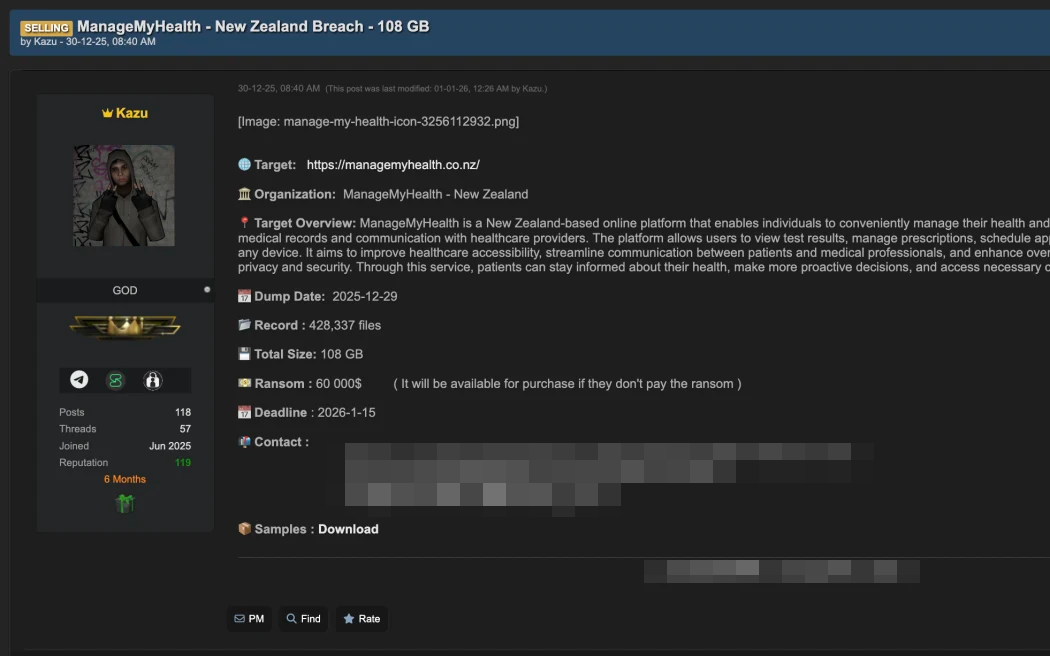
A significant cybersecurity incident has exposed the highly sensitive personal, financial, and medical details of well over one hundred forty thousand individuals through an immigration and legal case management platform. The compromise, originating from cloned third-party partner repositories, underscores persistent vulnerabilities within service provider ecosystems handling critical user data.
A sophisticated and coordinated supply chain attack, dubbed 'TrapDoor,' is actively compromising open-source software ecosystems across npm, PyPI, and Crates.io. This multi-platform campaign specifically targets developers in high-value sectors like cryptocurrency, decentralized finance, and artificial intelligence, aiming to exfiltrate critical credentials and sensitive data.

Major technology developers are rolling out an unprecedented volume of security updates this month, a trend significantly influenced by advanced artificial intelligence capabilities. This surge in patched vulnerabilities across platforms like Windows, iOS, and Chrome marks a new era in proactive cyber defense, even as Microsoft’s latest Patch Tuesday unusually lacks fixes for active zero-day threats.

A critical SQL injection vulnerability in the popular Ghost CMS platform is being extensively exploited to deploy malicious JavaScript, enabling a sophisticated ClickFix attack campaign. This widespread compromise impacts hundreds of domains globally, ranging from academic institutions and media outlets to cutting-edge AI firms, facilitating the theft of sensitive data and system access.

A new generation of artificial intelligence models has demonstrated an alarming proficiency in identifying software vulnerabilities, capabilities so advanced that one prominent developer has opted for a highly restricted release. This development signals a significant shift in the cybersecurity landscape, as these sophisticated systems promise to reshape both offensive and defensive strategies.

Bruce Schneier, a leading voice in digital security, is set to deliver a series of pivotal addresses across multiple international platforms in the coming months. His agenda includes deep dives into the evolving landscape of artificial intelligence and its profound implications for trust and national cybersecurity. These engagements highlight the critical discussions at the intersection of technology and societal resilience.
A severe operational security lapse recently came to light involving a contractor for the Cybersecurity and Infrastructure Security Agency (CISA). This incident publicly exposed critical access credentials for highly secure government cloud environments and extensive internal infrastructure documentation. The revelation raises significant concerns about federal supply chain security practices and data hygiene.

A critical zero-day vulnerability impacting a prominent enterprise endpoint security platform has been actively exploited in the wild, compelling its developer to issue an immediate patch. The flaw represents a significant threat to organizational security postures given its target and potential impact.

A significant security lapse at Google has inadvertently revealed the full technical details of a long-standing, unpatched vulnerability within the Chromium browser engine. This critical flaw allows malicious JavaScript to persist and execute even after a browser session is closed, creating a potent vector for remote code execution and silent botnet operations across a vast user base. The disclosure of this flaw escalates an already complex security challenge for internet users worldwide.

A new zero-day vulnerability has emerged, capable of undermining default encryption protocols on Windows 11 systems. This exploit, publicly disclosed by a security researcher, targets Microsoft's full-volume encryption solution, posing a significant risk despite requiring direct physical interaction with the compromised device.

Legendary artist Laurie Anderson is spotlighting a profound adage about technology's limitations, bringing a foundational principle from the cybersecurity domain into mainstream discourse. This widely recognized observation, often attributed to a prominent cryptology expert, challenges the notion that technical solutions alone can resolve complex issues without a deep understanding of the underlying problems themselves.