Cybersecurity
539 articles · Coverage updated continuously

A prominent Iranian state-sponsored cyber espionage group, Nimbus Manticore, is deploying new sophisticated backdoors, MiniFast and MiniJunk, against high-value targets in aviation and software. Evidence suggests these tools may have leveraged artificial intelligence in their development, marking a significant advancement in the adversary's capabilities and operational tradecraft.

India's primary cybersecurity agency has issued an urgent directive for organizations to remediate critical internet-facing vulnerabilities within a swift 12-hour window. This unprecedented speed requirement is a direct response to the escalating threat landscape, where artificial intelligence tools are dramatically accelerating the pace and sophistication of cyberattacks.
A prominent healthcare provider in Virginia, Radiology Associates of Richmond, has disclosed a significant cyberattack that compromised the sensitive personal and medical data of hundreds of thousands of individuals. This incident marks the second major data compromise for the organization within a two-year span, raising concerns about sustained cybersecurity posture.

A significant supply chain attack has compromised several widely used Laravel-Lang packages, injecting malicious code designed for extensive credential theft. This incident highlights a sophisticated attack vector leveraging manipulated Git tags to bypass traditional code repository integrity checks, posing a substantial risk to development environments and deployed applications.

A critical SQL injection vulnerability in the Ghost content management system, addressed earlier this year, has been actively exploited, leading to the compromise of hundreds of websites globally. Threat actors are leveraging this flaw to inject malicious scripts, impacting a diverse range of online platforms, including those of prominent institutions.
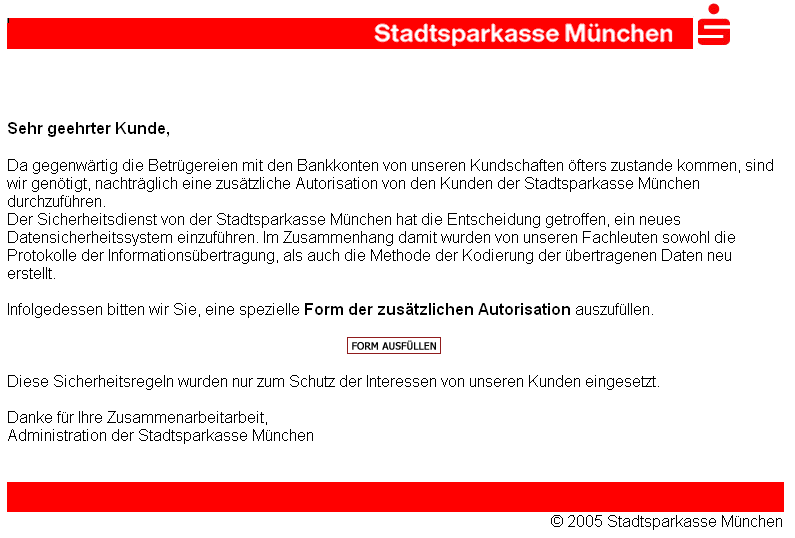
The U.S. Federal Bureau of Investigation has issued a significant warning regarding a sophisticated Phishing-as-a-Service (PhaaS) platform named Kali365. This service enables even less-skilled malicious actors to compromise Microsoft 365 accounts and linked cloud applications by exploiting legitimate authentication mechanisms. Its emergence represents a notable escalation in the threat landscape for corporate and government digital infrastructure.

North Korea's Lazarus Group is deploying an advanced, memory-resident remote access trojan, dubbed RemotePE, against financial and cryptocurrency organizations worldwide. This sophisticated cross-platform malware operates entirely in system memory, designed to leave minimal forensic traces and enable prolonged, undetected access within high-value networks. Its emergence signals an escalation in the actor's toolkit for long-term espionage and asset exfiltration campaigns.
A sophisticated supply chain attack, dubbed "Megalodon," has compromised thousands of GitHub repositories, inserting malicious code designed to exfiltrate critical secrets. This coordinated campaign leveraged automated commits to inject workflows that steal sensitive credentials and establish persistent backdoors across a vast codebase.
A major oncology care provider has now confirmed that patient information was compromised following a previously disclosed cybersecurity incident affecting a third-party software vendor. This latest development underscores the pervasive vulnerability within critical healthcare infrastructure, particularly concerning integrated service providers.

Dutch law enforcement has taken decisive action against a network suspected of facilitating state-sponsored cyberattacks and disinformation campaigns originating from Russia. The operation involved significant infrastructure seizures and the apprehension of two individuals operating hosting companies allegedly linked to these illicit activities within the European Union.
Network Detection and Response (NDR) platforms are undergoing a significant transformation, driven by the integration of agentic artificial intelligence. This evolution directly addresses the long-standing challenge of overwhelming alert volumes, shifting the paradigm from data overload to precise, actionable threat intelligence. Security operations teams are now leveraging these advanced capabilities to accelerate threat identification and streamline response workflows.
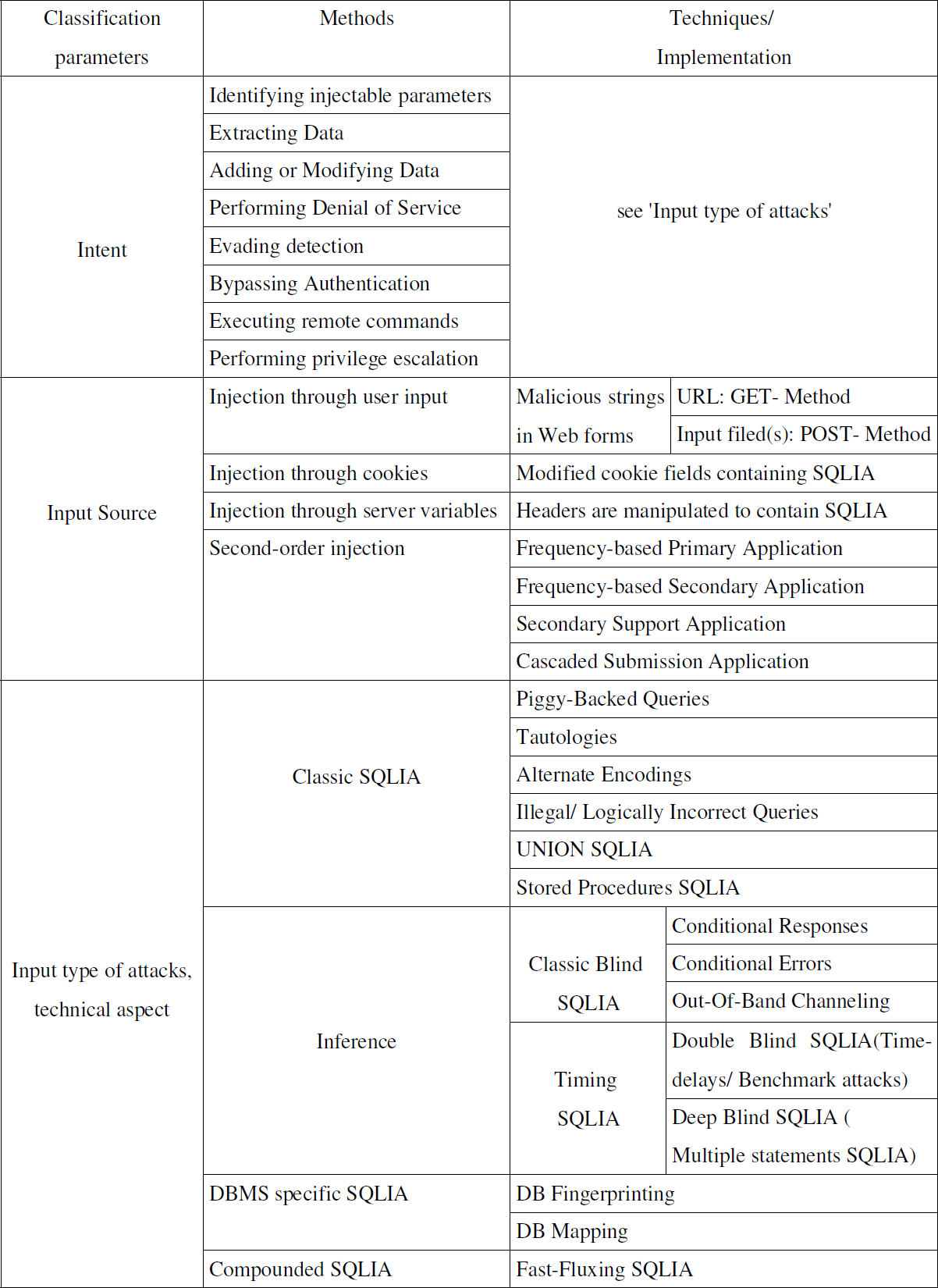
A recently disclosed critical vulnerability in the Ghost CMS platform has been actively exploited to compromise hundreds of websites, injecting malicious scripts designed for sophisticated "ClickFix" attacks. This widespread campaign leverages an SQL injection flaw, granting unauthorized access to administrative controls and enabling content manipulation across diverse sectors globally.