Cybersecurity
539 articles · Coverage updated continuously

Microsoft has acknowledged a significant operational disruption affecting Windows Server 2016, where a recent security update is precipitating failures in domain controller lookups. This newly identified flaw could severely impede network functionality for specific server configurations, hindering essential administrative operations.

The U.S. Cybersecurity and Infrastructure Security Agency (CISA) has issued a critical directive for federal agencies, demanding immediate remediation of an actively exploited SQL injection vulnerability within the Drupal content management system. This high-severity flaw, capable of enabling unauthorized access and data compromise, underscores persistent threats to vital government infrastructure.

Charter Communications, a significant US telecommunications provider, has acknowledged a data security incident following an extortion attempt by the prolific ShinyHunters threat group. The confirmation comes as the group claimed to have exfiltrated extensive customer records, prompting a critical examination of enterprise security postures against evolving social engineering tactics.

A critical zero-day vulnerability within a prominent learning management system (LMS) has been actively exploited, granting attackers unauthenticated remote code execution. This incident underscores a persistent weakness in enterprise software configurations, allowing sophisticated adversaries to establish enduring footholds within targeted networks.

Microsoft has released urgent security updates addressing a critical remote code execution vulnerability discovered in its widely deployed SharePoint platform. This significant flaw, requiring only authenticated access without elevated privileges, poses a substantial risk to organizations relying on the collaborative software suite for vital operations.

Adversaries are now leveraging advanced artificial intelligence, drastically escalating the sophistication and speed of distributed denial-of-service (DDoS) attacks. This shift fundamentally alters the threat landscape, rendering traditional cybersecurity measures increasingly obsolete in the face of rapidly adapting AI-driven threats. Organizations must urgently re-evaluate their protective strategies to counter these intelligent, adaptive threats.

A recent cybersecurity incident at the convenience store giant 7-Eleven has led to the compromise of personal data for approximately 185,000 individuals. The notorious ShinyHunters extortion group has claimed responsibility for the breach, which reportedly targeted the company's Salesforce environment. This event highlights persistent vulnerabilities within widely-used enterprise platforms.

The Iranian state-sponsored threat group MuddyWater has expanded its cyber espionage footprint, deploying sophisticated DLL side-loading techniques against a diverse array of global organizations. This recent campaign, spanning multiple continents and critical infrastructure, signifies a notable evolution in the group's operational sophistication and targeting strategy.
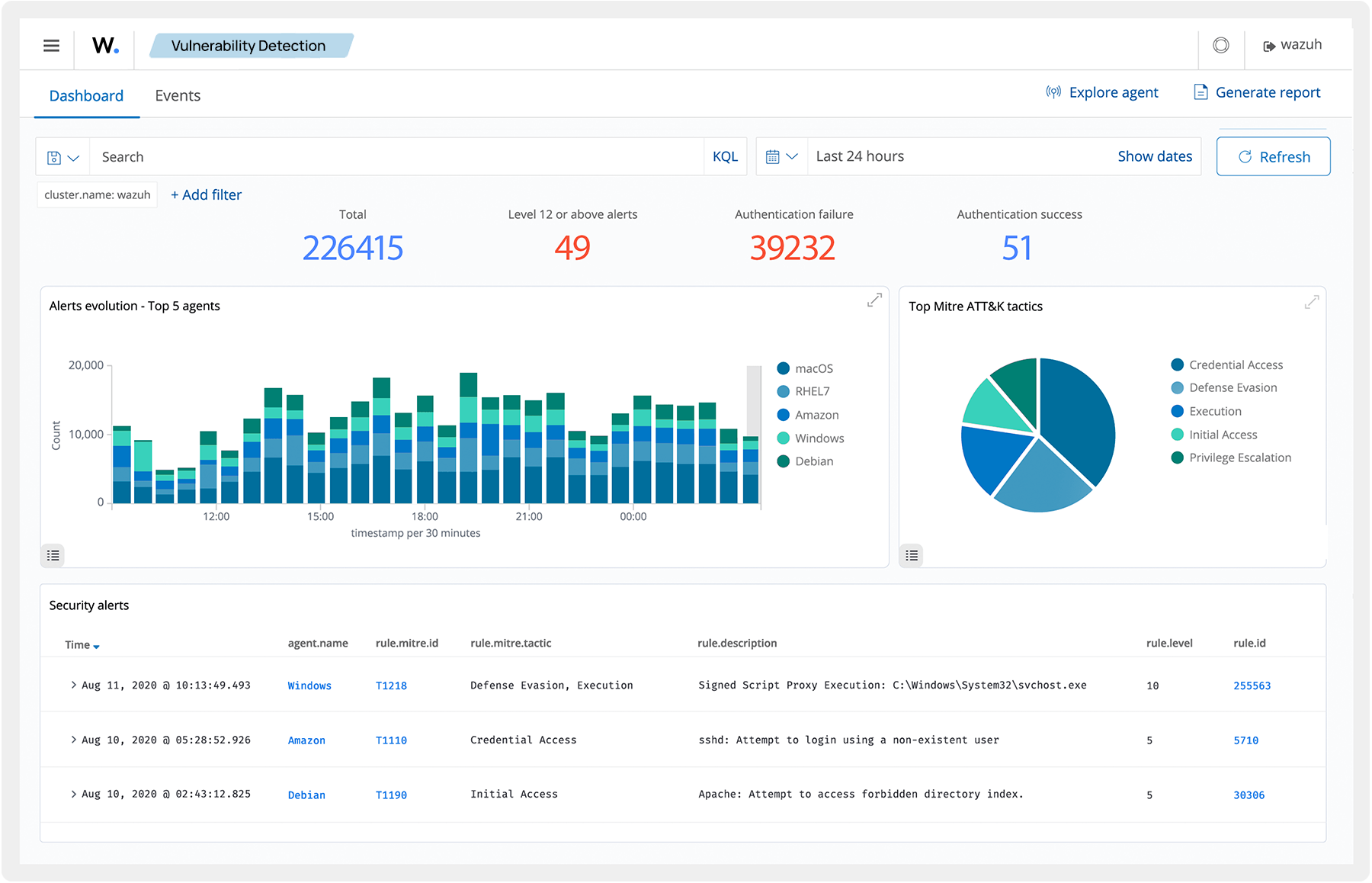
A recent virtual summit focused on advanced threat detection and incident response strategies is now available for on-demand access. This critical resource offers cybersecurity professionals deep insights from industry leaders on strengthening digital defenses against an evolving threat landscape.

A data compromise affecting convenience store giant 7-Eleven has reportedly exposed personal details for nearly two hundred thousand individuals. This incident, which became public earlier this month, involved franchise-related systems and highlights the ongoing threat posed by prolific cyber extortion groups targeting major enterprises.
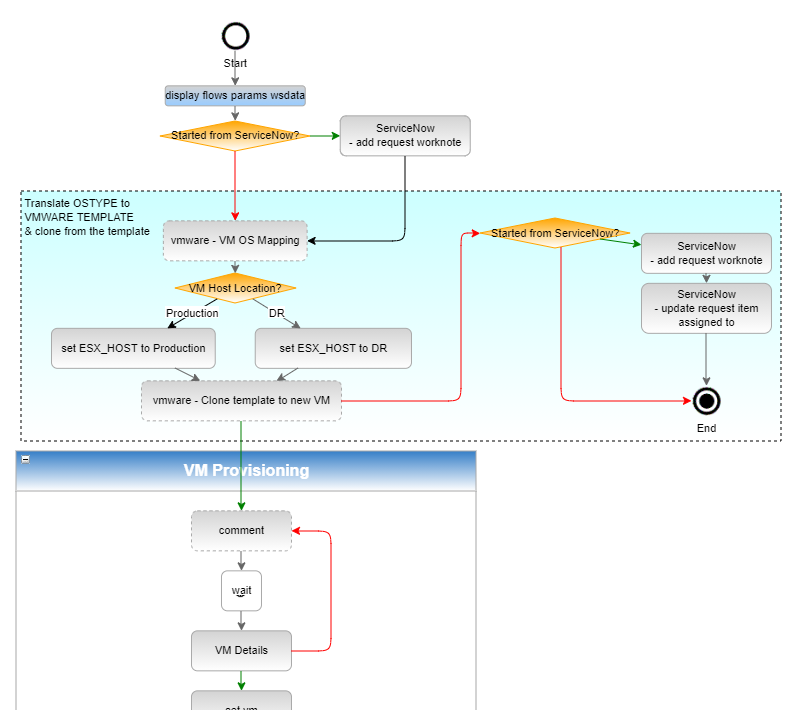
Network incident response efforts are increasingly hampered by an overload of disparate security tools and platforms, leading to significant delays in addressing critical threats. This fragmentation forces security teams into time-consuming manual processes, diverting resources from effective threat mitigation and potentially escalating service disruptions.
A critical zero-day vulnerability in the Digital Knowledge KnowledgeDeliver Learning Management System (LMS) has been actively exploited to compromise targeted systems. This sophisticated attack chain leveraged a fundamental flaw in the platform's architecture, allowing threat actors to inject persistent web shells and deploy advanced persistent threat tools.