Cybersecurity
539 articles · Coverage updated continuously

A critical zero-day vulnerability in Adobe Acrobat Reader (CVE-2026-34621) is under active exploitation, prompting emergency updates and raising immediate concerns for all users. This comes as Iranian state-affiliated actors escalate their targeting of US industrial control systems, causing significant disruptions and underscoring the persistent threat to critical infrastructure. The convergence of immediate software vulnerabilities and sophisticated nation-state campaigns highlights a volatile start to the week for cybersecurity professionals.

The U.S. Cybersecurity and Infrastructure Security Agency (CISA) has significantly expanded its Known Exploited Vulnerabilities (KEV) catalog by adding eight new actively exploited flaws, mandating urgent patching by federal agencies. These critical vulnerabilities affect widely used systems, including Cisco Catalyst SD-WAN Manager, PaperCut NG/MF, Quest KACE SMA, and JetBrains TeamCity, signaling immediate threats to diverse IT environments. Federal Civilian Executive Branch (FCEB) agencies are now compelled to remediate these issues by April 23 and May 4, 2026, emphasizing the critical nature of these security gaps.
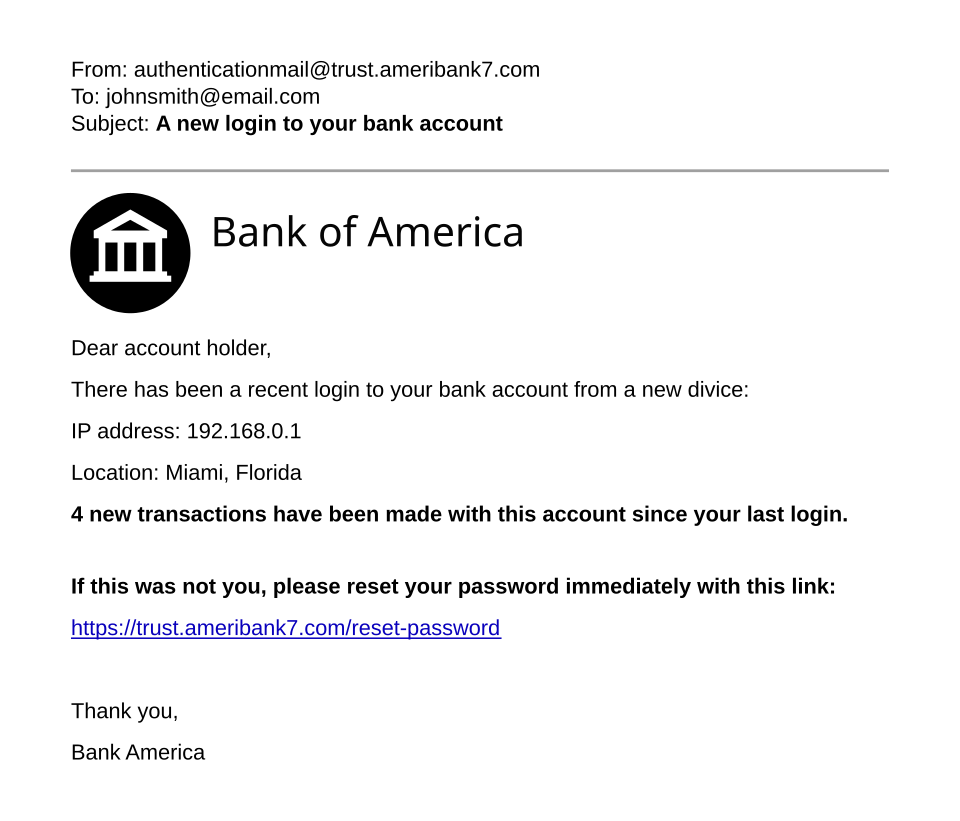
The FBI, in a significant joint operation with the Indonesian National Police, has dismantled W3LL, a sophisticated global phishing network responsible for over $20 million in fraud attempts and the compromise of more than 25,000 Microsoft 365 accounts. This operation culminated in the seizure of key infrastructure and the detention of the alleged developer, effectively severing a major resource for cybercriminals relying on advanced Attacker-in-the-Middle (AiTM) tactics that bypassed multi-factor authentication (MFA). W3LL, an off-the-shelf phishing kit, was advertised for approximately $500, enabling a broad array of threat actors to deploy convincing bogus login pages.

JanelaRAT, a sophisticated financial trojan, has launched a barrage of cyberattacks against financial institutions across Latin America, with Brazil and Mexico bearing the brunt of its aggressive campaigns. This modified version of BX RAT leverages advanced techniques like DLL side-loading, malicious browser extensions, and fake overlays to illicitly obtain sensitive credentials and financial data from its targets. The ongoing threat underscores a persistent and evolving challenge for the region's banking sector.
The U.S. Cybersecurity and Infrastructure Security Agency (CISA) has issued an urgent alert, adding six actively exploited vulnerabilities from vendors including Fortinet, Microsoft, and Adobe to its Known Exploited Vulnerabilities (KEV) catalog. These critical flaws pose significant threats, enabling severe impacts such as remote code execution, privilege escalation, and even ransomware deployment, with one Microsoft Exchange vulnerability specifically leveraged by Storm-1175 for Medusa ransomware attacks.

A critical remote code execution (RCE) vulnerability, tracked as CVE-2025-0520, in the ShowDoc document management software is now under active exploitation, prompting urgent action from users. This high-severity flaw (CVSS 9.4) allows unauthenticated attackers to upload arbitrary files due to improper validation, enabling the deployment of web shells for full system compromise. With over 2,000 instances primarily in China, organizations utilizing ShowDoc must immediately update to version 2.8.7 or newer to mitigate the risk.

Cybersecurity researchers have issued an ALERT regarding a newly discovered campaign involving 108 malicious Google Chrome extensions that have impacted approximately 20,000 users. These deceptive extensions, masquerading as utility apps, actively exfiltrate Google OAuth2 tokens, Telegram Web sessions, and browsing data while also injecting ads and arbitrary JavaScript into visited webpages. Operating under five distinct publisher identities but sharing common command-and-control infrastructure, this widespread threat underscores a sophisticated effort to compromise user data.
AI-assisted development has driven a staggering 400% increase in critical application security risks across 250 organizations in just 90 days, according to a 2026 report. This surge, identified by OX Security through analysis of 216 million security findings, reveals a troubling "velocity gap" where the density of high-impact vulnerabilities is far outpacing traditional remediation capabilities, despite only a 52% rise in raw alert volume. The analysis further highlights that business priority and PII processing, not technical severity scores like CVSS, are now the primary drivers elevating these critical flaws.
A new Android remote access trojan (RAT) named Mirax has reportedly compromised over 220,000 devices, primarily targeting Spanish-speaking users through sophisticated Meta ad campaigns. Beyond its traditional RAT capabilities, Mirax uniquely transforms infected devices into SOCKS5 residential proxy nodes, allowing attackers to route their traffic through victims' real IP addresses. This emerging threat is being offered as an exclusive Malware-as-a-Service (MaaS) for $2,500 for three months, predominantly to Russian-speaking cybercriminals.
A sophisticated ad fraud scheme, dubbed "Pushpaganda," is exploiting AI-generated content and SEO poisoning to infiltrate Google Discover feeds, ensnaring users into a web of scareware, deepfakes, and financial scams. This global campaign leverages deceptive news stories to trick Android and Chrome mobile users into enabling persistent browser notifications, making it a significant threat to personalized content platforms. Researchers have linked the operation to 240 million bid requests across 113 domains, highlighting its vast reach and the cunning methods employed to generate invalid organic traffic.

Google is significantly bolstering the security of its upcoming Pixel 10 devices by integrating a Rust-based Domain Name System (DNS) parser directly into the modem firmware. This strategic move aims to mitigate an entire class of memory-safety vulnerabilities, marking a critical step in Google's broader initiative to embed memory-safe code into low-level systems and foundational hardware. The Pixel 10 will be the first in the series to benefit from this advanced security hardening, building on previous efforts to secure cellular baseband modems.
Two critical command injection vulnerabilities have been discovered in PHP Composer, the widely used package manager, exposing systems to arbitrary command execution. These high-severity flaws, CVE-2026-40176 and CVE-2026-40261, represent a significant threat, allowing attackers to inject and execute commands even without the Perforce VCS driver being installed. Organizations using PHP Composer must prioritize immediate patching to versions 2.9.6 or 2.2.27 and conduct a thorough inspection of their `composer.json` files for malicious configurations.