Cybersecurity
539 articles · Coverage updated continuously

A potent Android remote access trojan, BTMOB, is openly marketed as a Malware-as-a-Service (MaaS), significantly lowering the technical barrier for cybercriminals to deploy sophisticated mobile attacks. This platform allows operators to generate highly customized malicious applications designed for specific phishing lures and targets, threatening a wide range of mobile users primarily across Latin America.
A new intelligence report reveals that the bulk of enterprise AI risk stems not from widespread casual usage, but from a distinct minority of highly active individuals. This concentration of activity challenges conventional security paradigms, demanding a more targeted approach to AI governance. Understanding where and how this exposure occurs is paramount for modern defense strategies.

North Korea's Kimsuky threat group has launched a new wave of highly sophisticated cyber operations against South Korean military and corporate sectors. These recent intrusions demonstrate a refined use of social engineering tactics combined with advanced malware to achieve persistent access. The campaigns highlight a persistent and evolving threat landscape facing critical national infrastructure.

US Cyber Command is refining its force generation strategy, focusing on 'domain mastery' rather than matching adversaries in sheer numbers. This strategic shift, dubbed CYBERCOM 2.0, aims to cultivate highly skilled cyber operators to counter the formidable numerical superiority of competitors, particularly China.
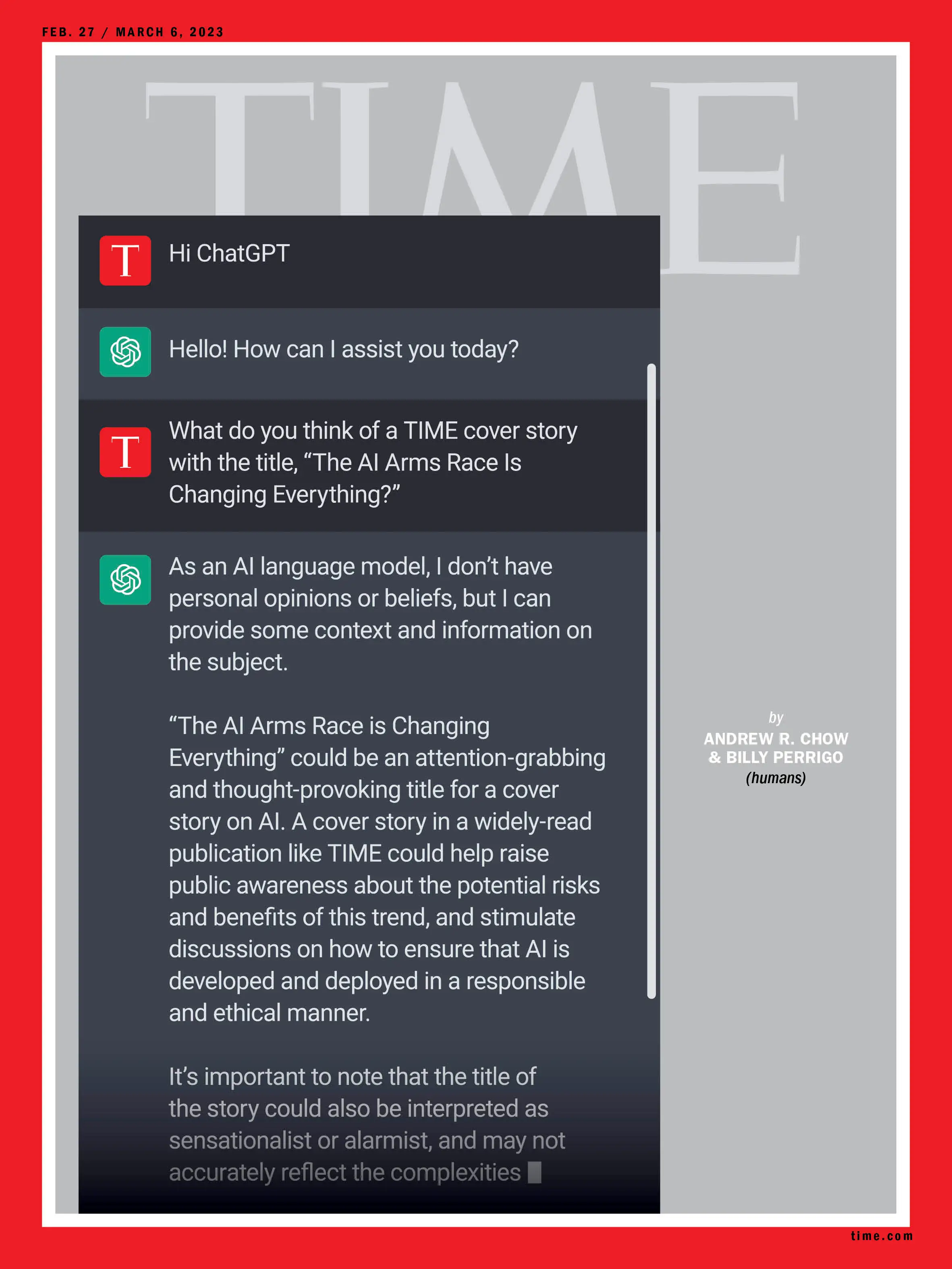
A threat group with suspected ties to Russian interests is leveraging advanced generative AI platforms, including ChatGPT and Google Gemini, to significantly enhance its cyberespionage operations targeting Ukrainian and related entities. This marks a notable shift in the sophistication and accessibility of tools now employed by state-aligned but not necessarily nation-state-grade actors. Their campaigns demonstrate a diverse array of tactics, from elaborate social engineering to custom malware deployment, all seemingly bolstered by AI assistance.
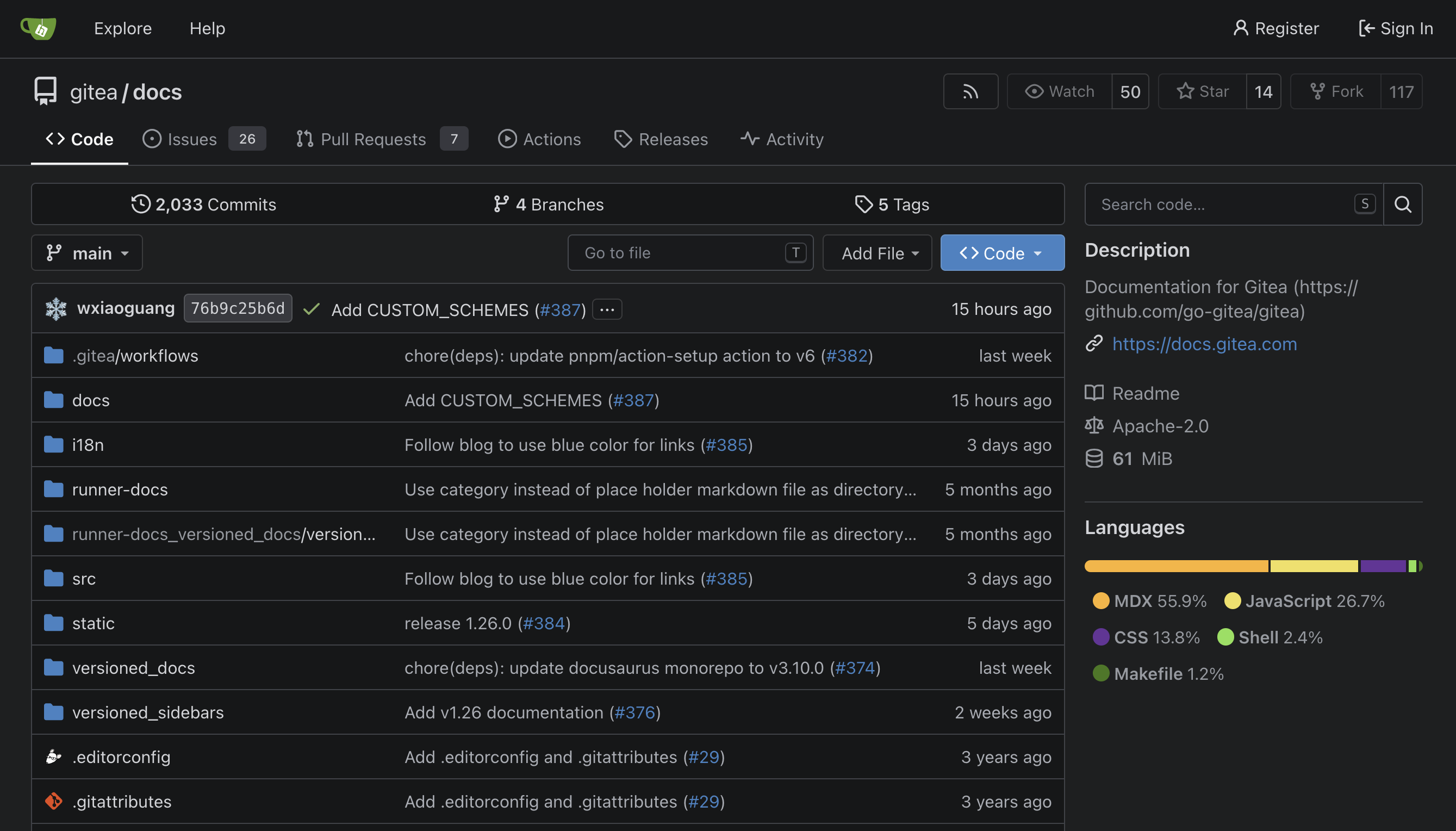
Cybersecurity researchers have uncovered a critical vulnerability in Gitea, the popular self-hosted version control platform, enabling unauthenticated access to private container images. This significant flaw, active for nearly four years, has potentially exposed tens of thousands of global deployments across diverse industries without requiring any credentials.

Malicious actors are actively exploiting a critical security vulnerability within FortiClient Endpoint Management Server (EMS) deployments, leveraging the trusted infrastructure to distribute sophisticated credential-stealing malware. This attack vector bypasses conventional defenses by masquerading as legitimate system updates, posing a significant challenge to enterprise security teams.

A severe, unpatched remote code execution vulnerability has been identified in Gogs, a widely used open-source self-hosted Git service. This flaw enables any authenticated user to compromise the underlying server and gain extensive access, posing a significant risk to development environments. The exploit requires no elevated privileges, making it highly accessible to attackers.

The conventional wisdom of fortifying cyber perimeters no longer suffices against today's stealthy adversaries. Modern security operations centers are redefining their mission, moving beyond mere alert response to proactively shrink the window of uncertainty within enterprise networks. This strategic pivot focuses on identifying and neutralizing threats long before they mature into full-blown incidents.

An emerging threat actor, identified as JINX-0164, is actively compromising cryptocurrency organizations through elaborate social engineering and custom macOS malware. This sophisticated campaign exploits recruitment lures to infiltrate target systems, eventually moving laterally into critical development infrastructure to siphon digital assets.

Despite continuous advancements in defensive technologies, a significant portion of successful cyberattacks continues to leverage surprisingly unsophisticated methods, undermining enterprise and national security. Recent intelligence highlights how fundamental weaknesses—rather than complex zero-days—remain the primary vectors for compromise across various sectors, from cloud platforms to user accounts.

Microsoft has issued a strong rebuke against the public disclosure of zero-day vulnerabilities without prior vendor coordination, a development prompted by a series of recent security revelations affecting Windows components. This comes as multiple publicly revealed flaws are now reportedly being actively exploited in the wild, escalating the immediate threat to users.