Cybersecurity
539 articles · Coverage updated continuously
A critical new supply chain worm is actively compromising the npm ecosystem, stealing sensitive developer credentials, API keys, and cloud secrets while employing a sophisticated self-propagation mechanism. This potent threat, flagged by security researchers, targets users of the Node Package Manager by republishing infected packages from compromised accounts. The attack has already been linked to multiple packages from Namastex Labs, particularly those serving AI agentic solutions, highlighting a direct risk to high-value AI operations.

The persistent scourge of fraudulent phone calls has escalated dramatically, with threat actors now operating highly organized 'Caller-as-a-Service' models that mirror legitimate call centers. This alarming evolution lowers the barrier to entry for aspiring fraudsters, professionalizing and scaling vishing operations that leverage sophisticated psychological manipulation to defraud victims worldwide. With US elderly citizens alone losing $3.4 billion in 2023 and vishing incidents soaring, understanding this structured criminal ecosystem is critical.

Spanish authorities have dismantled what they describe as the largest Spanish-language manga piracy platform, which had illegally generated over $4.7 million in advertising revenue since 2014. The operation led to four arrests, the seizure of $470,000 in cryptocurrency from hidden cold wallets, and the uncovering of a sophisticated technological infrastructure. This major bust also revealed the platform's concerning use of aggressive, often pornographic, pop-up ads, many of which were likely viewed by a significant minor user base.

Apple has rolled out critical patches for iOS and iPadOS, addressing a flaw that allowed forensic extraction of deleted Signal messages by entities like the FBI, even after the secure messaging app had been removed. The vulnerability, tracked as CVE-2026-28950, unexpectedly retained notifications marked for deletion, severely compromising user privacy and the perceived security of encrypted communications. The fix (iOS/iPadOS 26.4.2 and 18.7.8) is designed to prevent future retention and eliminate previously stored sensitive notification data.

A multi-billion-dollar American defense contractor has become the sole listed victim of the emerging Kyber ransomware operation, which distinguishes itself by deploying a variant that implements Kyber1024 post-quantum encryption. Cybersecurity firm Rapid7 recently uncovered two distinct Kyber variants, one targeting Windows systems with this novel cryptographic feature and another for VMware ESXi environments, both used in a coordinated attack on the defense sector victim.
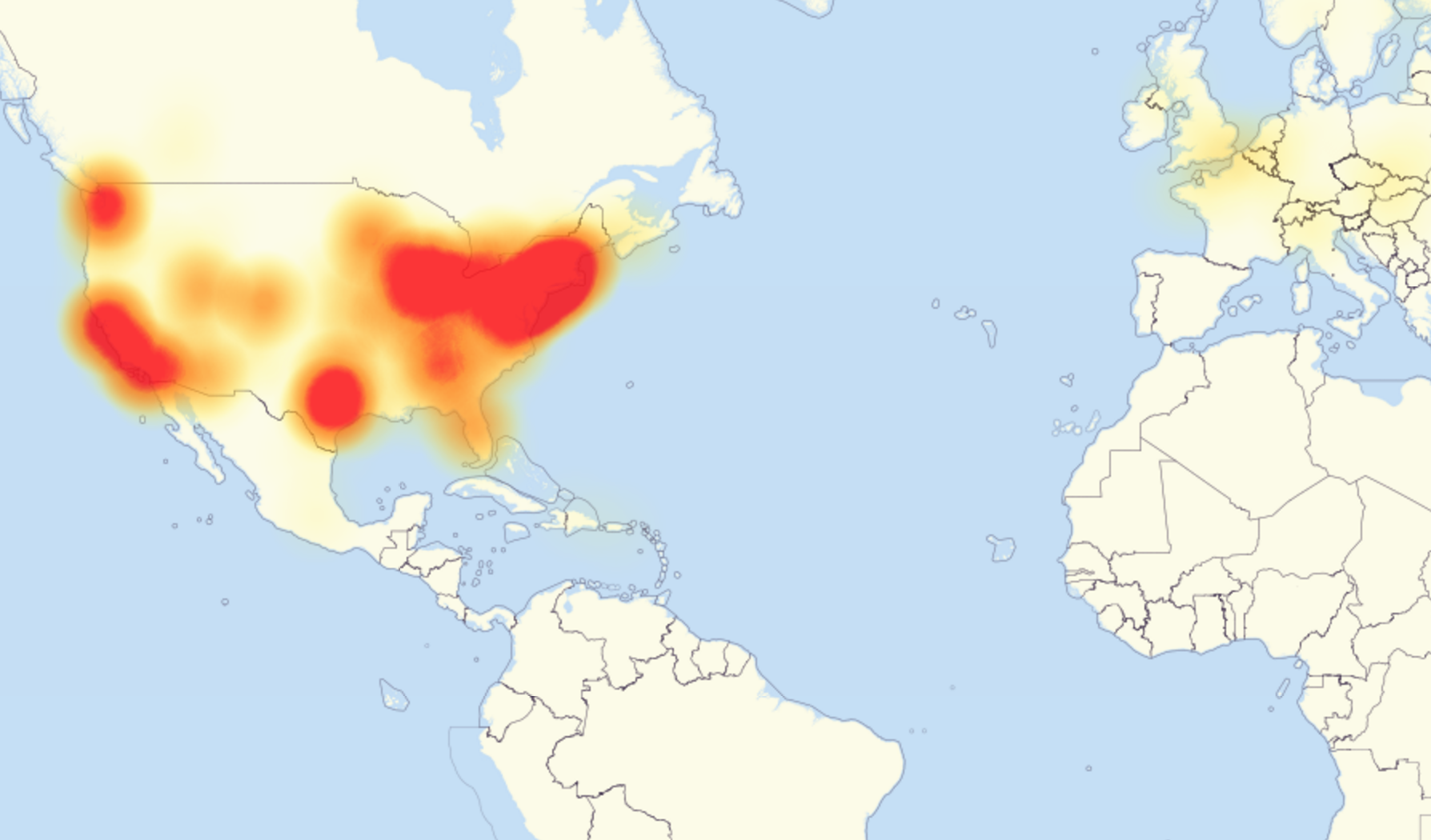
A new Mirai botnet campaign is actively exploiting CVE-2025-29635, a critical command-injection RCE flaw in end-of-life D-Link DIR-823X routers. Detected by Akamai SIRT in March 2026, this marks the first observed in-the-wild exploitation of the high-severity vulnerability, over a year after its initial disclosure. The campaign deploys the 'tuxnokill' Mirai variant, rapidly enlisting vulnerable devices into a distributed denial-of-service botnet.

Apple has issued an urgent out-of-band security update for iOS and iPadOS, patching a critical vulnerability, CVE-2026-28950, that caused notifications marked for deletion to remain persistently stored on devices. This flaw presents a significant privacy risk, as sensitive information intended to be erased could potentially be recovered, aligning with recent reports of forensic recovery of Signal messages from iPhone notification storage.
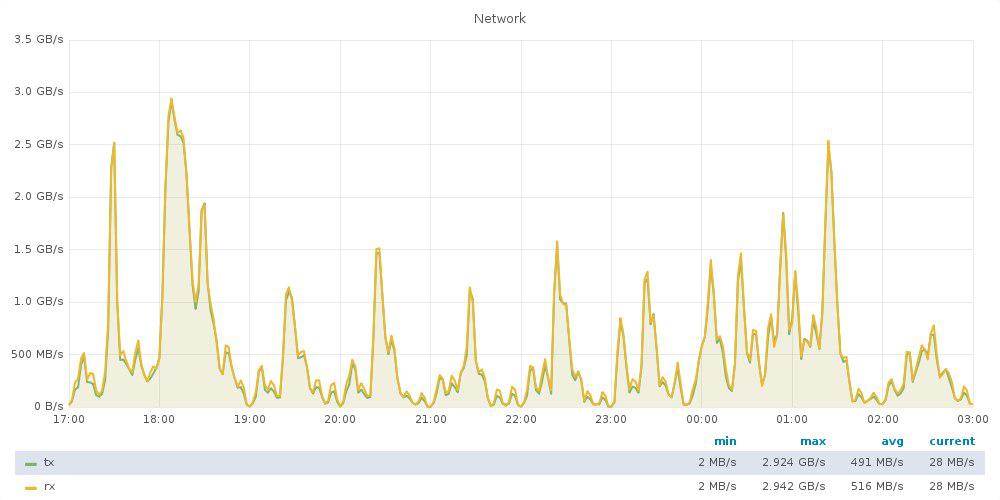
The individual behind the notorious Kimwolf botnet, responsible for a barrage of disruptive DDoS attacks, doxing, and swatting incidents, has been unmasked as Canadian teenager Jacob Butler, also known by the alias 'Dort'. This revelation follows an extensive OSINT investigation that meticulously pieced together online activities, aliases, and email addresses, connecting him to sophisticated cybercrime operations that escalated from Minecraft cheats to offering advanced attack tools. Butler's identity comes to light amidst a campaign of retaliation against the security researcher who initially exposed the vulnerability exploited by Kimwolf.
Microsoft's March 2026 Patch Tuesday brings a significant update addressing 77 vulnerabilities, notably without any active zero-day threats this month. However, the most compelling discovery comes from XBOW, an autonomous AI penetration testing agent, which identified a critical Remote Code Execution (RCE) flaw in Office, underscoring the escalating role of AI in vulnerability research. Organizations should prioritize patches for critical RCEs in Office and a high-severity Elevation of Privilege (EoP) bug in SQL Server 2016+.
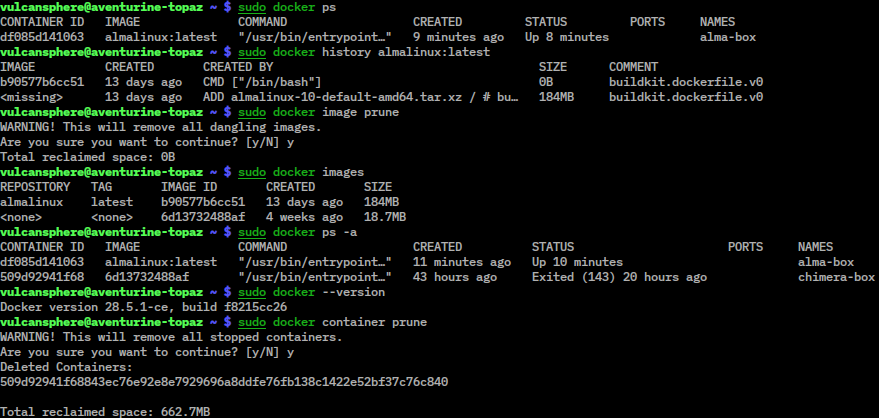
Checkmarx, a prominent application security vendor, has suffered a significant supply chain compromise, with malicious KICS Docker images and VS Code extensions discovered exfiltrating sensitive configuration data and enabling remote script execution. Cybersecurity researchers at Socket revealed that threat actors overwrote official Docker Hub tags and introduced new ones, posing a serious risk to users' infrastructure-as-code files and credentials. The compromised Docker repository has since been archived.
Artificial intelligence is dramatically escalating the threat posed by long-standing software vulnerabilities, transforming what were once considered manageable risks into critical cybersecurity challenges. The danger isn't AI's ability to invent novel flaws, but its unprecedented capacity to weaponize the vast landscape of existing, unpatched bugs and legacy system weaknesses. This shift demands an urgent re-evaluation of defensive strategies across all sectors.