Cybersecurity
540 articles · Coverage updated continuously

Two US cybersecurity professionals, formerly ransomware negotiators, have been sentenced to prison for their involvement in BlackCat and ALPHV ransomware attacks. Ryan Goldberg and Kevin Martin each received 4-year sentences after pleading guilty to conspiracy to commit extortion, highlighting a critical breach of trust within the industry. A third conspirator, Angelo Martino, awaits sentencing for his role in the scheme.

Google has significantly restructured its Vulnerability Reward Programs (VRPs) for Chrome and Android, directly responding to the increasing role of AI tools in vulnerability discovery. This overhaul sees substantially higher payouts for critical Android flaws, while standard Chrome bug rewards are being reduced. The move signals a major industry shift as organizations grapple with the implications of AI-driven security research.

Cybersecurity giant Trellix has confirmed it suffered a breach leading to unauthorized access to a portion of its source code repository. The incident, now under investigation with forensic experts and law enforcement, raises significant concerns regarding the security of critical software supply chains. This comes as the company navigates its relatively recent merger of McAfee Enterprise and FireEye assets.
French authorities have detained a 15-year-old suspected of orchestrating a significant data breach against France Titres (ANTS), the national agency managing administrative documents. The incident led to the exposure of 12 to 18 million records, including sensitive personal information, which the minor allegedly offered for sale on a cybercriminal forum. This development highlights the persistent threat posed by even young, technically proficient individuals to critical national infrastructure.

Instructure, the company behind the widely adopted Canvas learning management system, has disclosed a cybersecurity incident perpetrated by a criminal threat actor. The U.S.-based education technology giant is actively investigating the extent of the breach and its potential impact on its vast user base, including students and educational institutions globally.

Authorities have arrested a key member of the notorious Scattered Spider hacking group, signaling a significant win against high-profile cybercrime. This week's intelligence roundup also covers unprecedented US sanctions targeting Iran's crypto reserves and a critical vulnerability found in a deprecated NSA industrial control system tool, highlighting diverse threats across national security and critical infrastructure. These updates provide essential insights for defense and cybersecurity professionals navigating an evolving threat landscape.
Criminal IP and Securonix ThreatQ have announced a strategic integration, merging Criminal IP's real-time IP exposure intelligence directly into the ThreatQ platform. This collaboration aims to significantly enhance threat intelligence operations, providing security teams with more actionable context for faster analysis and response within existing workflows.
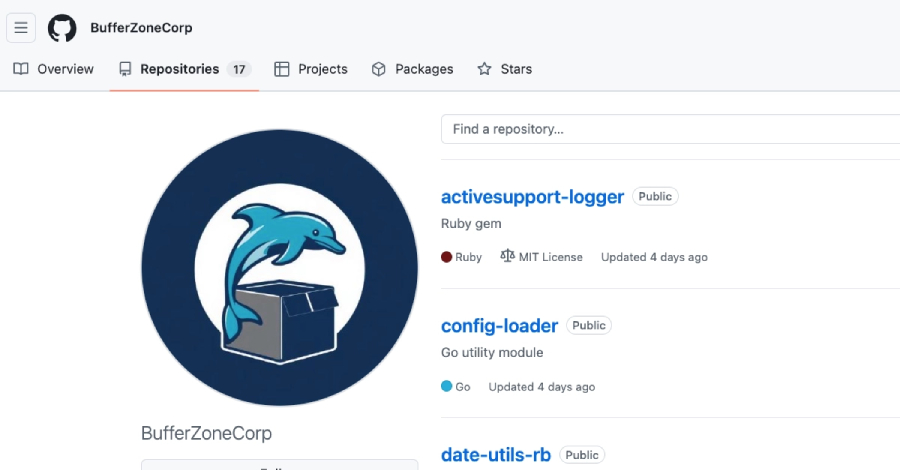
A sophisticated software supply chain attack campaign has been uncovered, utilizing "sleeper" packages within RubyGems and Go modules to infiltrate CI/CD pipelines. This campaign, attributed to the GitHub account "BufferZoneCorp," successfully deployed malicious payloads designed for credential theft, GitHub Actions manipulation, and establishing SSH persistence, posing a significant threat to development environments.

Two cybersecurity professionals have been sentenced to four years in prison each for their active roles in facilitating BlackCat ransomware attacks, a stark reminder of the insider threat within the industry. Ryan Goldberg and Kevin Martin were found to have leveraged their specialized skills not to defend, but to extort U.S. businesses, including a successful $1.2 million Bitcoin payout. This sentencing highlights the severe legal consequences for those who abuse their expertise for cybercrime.

The managed security services market is projected for explosive growth, soaring from $38.31 billion in 2025 to an estimated $69.16 billion by 2030. Despite this immense opportunity, many Managed Security Service Providers (MSPs) are failing to capture their share, leaving substantial revenue untapped. This shortfall stems from critical go-to-market execution gaps, primarily the inability to translate deep technical expertise into compelling business outcomes for clients.

A sophisticated cyber espionage campaign, attributed to China-aligned threat actors, is actively targeting government and defense sectors across South, East, and Southeast Asia, alongside a NATO member state in Europe. Researchers have detailed how these groups exploit N-day vulnerabilities and deploy advanced tooling to maintain persistent access and exfiltrate sensitive information, underscoring a broad intelligence-gathering effort. This widespread campaign highlights an escalating geopolitical cyber threat landscape.

Two distinct cybercrime groups, Cordial Spider and Snarky Spider, are executing highly sophisticated and rapid extortion attacks almost entirely within SaaS environments. These groups employ vishing and SSO (Single Sign-On) abuse to steal credentials, pivot directly into cloud applications, and exfiltrate sensitive data, posing significant detection challenges for defenders.