Cybersecurity
540 articles · Coverage updated continuously
The notorious RansomHouse group has asserted responsibility for a recent intrusion into Trellix, a leading cybersecurity firm. This development brings into sharp focus the pervasive and evolving threats challenging even core digital defense providers.

A prominent learning management system, widely used across thousands of educational institutions, experienced significant disruption this week due to a cyberattack. The incident, attributed to the hacking collective ShinyHunters, caused widespread chaos for students and faculty as academic deadlines and final exams approached, underscoring critical infrastructure vulnerabilities.
An AI evaluation and observability platform, Braintrust, has directed its customers to secure their API keys following a data breach. Unauthorized access to an internal AWS account has potentially exposed critical credentials used by client organizations to interact with various AI models. This incident underscores emerging supply chain vulnerabilities in the burgeoning AI ecosystem.

Poland's Internal Security Agency (ABW) has revealed a significant uptick in sophisticated cyber intrusions targeting the nation's critical industrial control systems, particularly within the water sector. These attacks, escalating throughout 2024 and 2025, show a dangerous shift towards leveraging digital access for potential physical disruption of essential public services. The agency's findings highlight a concerning trend of state-sponsored threat actors actively probing and compromising operational technology infrastructure.

Amidst evolving cyber threats, the U.S. government is poised for significant shifts in its cybersecurity leadership and operational protocols. A new frontrunner has emerged to head the Cybersecurity and Infrastructure Security Agency, signaling a potential new direction for federal cyber defense. Concurrently, new directives aim to drastically accelerate the remediation of critical vulnerabilities across federal agencies, reflecting heightened urgency in the face of rapidly weaponized exploits.

Despite significant increases in cybersecurity spending, security operations centers (SOCs) continue to grapple with an unmanageable volume of alerts, hindering effective threat detection and response. This persistent operational challenge points to a fundamental inadequacy in inherited security models, rather than a mere staffing deficit. The core issue lies in an architectural misalignment that assumes human-driven triage at a scale no longer reflective of modern threat landscapes.

A previously undetected Linux implant, now identified as Quasar Linux RAT (QLNX), is actively targeting developer systems to establish a covert presence and steal high-value credentials. This sophisticated malware poses a significant threat to the integrity of the software supply chain by compromising the foundational assets of development and DevOps environments.

A sophisticated campaign leveraging fraudulent Android applications has siphoned funds from users after accumulating significant downloads on the Google Play Store. These apps deceptively promised access to detailed call histories for any phone number, instead delivering fabricated information and incurring financial losses for victims. The scheme primarily targeted users in key Asian markets, highlighting persistent vulnerabilities within official app marketplaces.
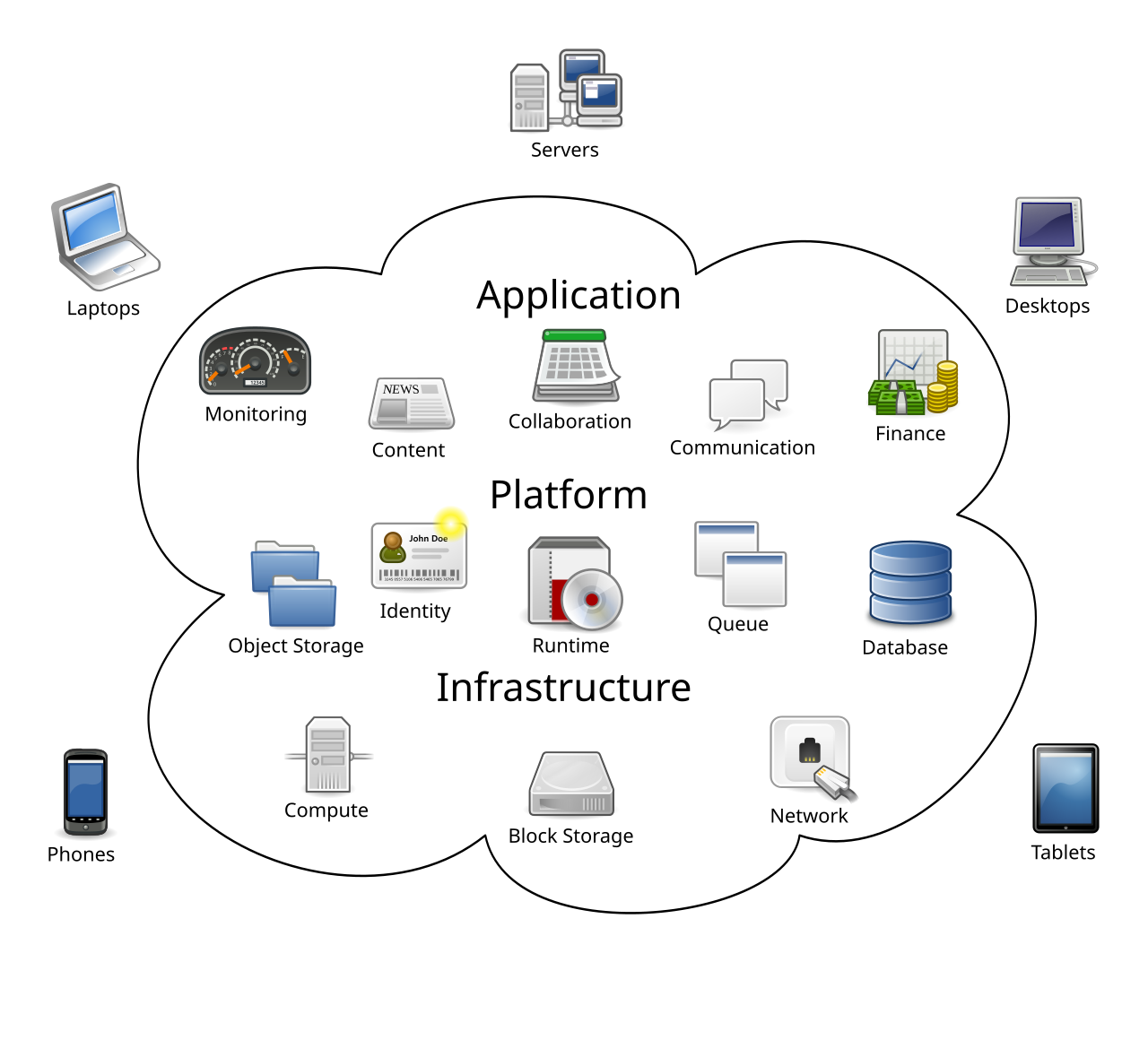
A sophisticated new malware, PCPJack, has emerged, actively compromising cloud infrastructure to steal credentials. What sets this threat apart is its unique behavior of aggressively removing rival malware, specifically TeamPCP infections, to claim compromised systems exclusively. This development signals a potential shift in the cybercrime landscape, highlighting an operational turf war among threat actors.
A significant data breach impacting fast-fashion giant Zara has resulted in the exposure of customer information for nearly two hundred thousand individuals. The incident, attributed to the notorious ShinyHunters cybercrime group, reportedly stemmed from a compromised former technology provider. This latest attack adds to a growing list of high-profile targets for the prolific threat actor.
The U.S. Cybersecurity and Infrastructure Security Agency (CISA) has issued an immediate directive for federal organizations to address a critical security vulnerability within Ivanti Endpoint Manager Mobile (EPMM). This high-severity flaw has already been actively exploited in the wild, prompting a stringent four-day deadline for remediation across government networks. The imperative highlights a persistent challenge with endpoint management solutions becoming prime targets for adversaries.

The unauthorized access to a segment of Trellix's source code repository, previously acknowledged by the company, has now been publicly claimed by the RansomHouse cybercrime group. This development introduces a new dimension to the investigation, as the attackers have presented purported evidence of their intrusion against the global cybersecurity firm.