Cybersecurity
540 articles · Coverage updated continuously

A coordinated wave of security advisories from leading enterprise software providers, including Ivanti, Fortinet, SAP, and VMware, has highlighted significant security risks this week. These patches address critical vulnerabilities ranging from remote code execution to SQL injection and privilege escalation, posing substantial threats to organizational data and operational integrity.
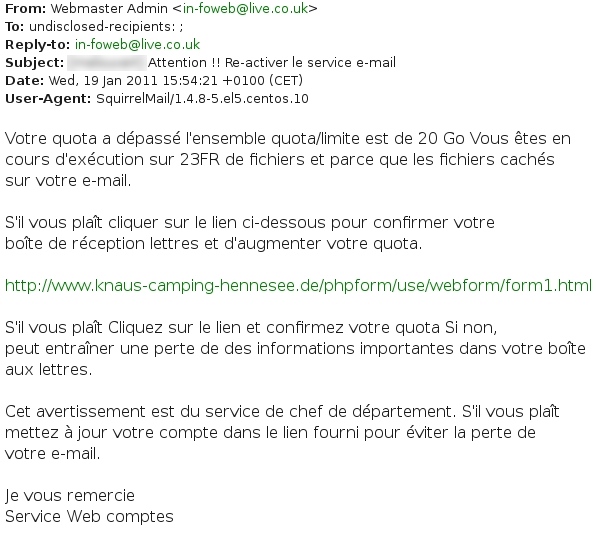
Modern phishing campaigns are increasingly sophisticated, designed to slip past initial defenses and rapidly escalate into widespread organizational compromise. A singular click can now trigger a complex chain of events, from credential theft to remote system access, transforming a seemingly isolated incident into a significant business disruption before security teams fully grasp the scope.
A significant multinational law enforcement effort, coordinated by INTERPOL, has dismantled key cybercrime infrastructure across the Middle East and North Africa. This extensive five-month operation resulted in hundreds of arrests and the identification of hundreds more suspects involved in sophisticated online illicit activities. It signals a heightened, coordinated response to digital threats in the region.
Organized criminal groups are increasingly leveraging sophisticated cyberattack methodologies to orchestrate large-scale physical cargo theft, moving beyond traditional hijacking to exploit digital vulnerabilities in logistics chains. This evolving threat sees established cybercrime playbooks, typically associated with data breaches or ransomware, repurposed to divert entire truckloads of valuable goods.
A critical supply chain attack, codenamed "Mini Shai-Hulud," is actively compromising prominent development and AI platform packages, impacting entities like TanStack and Mistral AI. This campaign innovatively exploits trusted publishing mechanisms and OIDC tokens, allowing malicious code to distribute seemingly legitimate, yet compromised, software components.

A sophisticated new variant of the TrickMo Android banking trojan has emerged, leveraging The Open Network (TON) blockchain for its command-and-control infrastructure. This evolution transforms compromised mobile devices into stealthy network pivots and traffic-exit nodes, significantly enhancing the threat actor's operational resilience and evasion capabilities.

Google has confirmed the emergence of a zero-day exploit developed with the assistance of artificial intelligence, signaling a significant shift in the cyber threat landscape. This unprecedented discovery, detailed in a new report, highlights the immediate operationalization of advanced AI by sophisticated cybercriminal elements.
Education technology provider Instructure has confirmed that a critical security flaw in its widely used Canvas learning management system was exploited, allowing threat actors to alter login portals. This intrusion, stemming from a cross-site scripting vulnerability, escalated into an overt extortion attempt following an initial data breach. The incident highlights persistent challenges in securing platforms vital to academic and organizational operations.

The speed of vulnerability exploitation has plummeted to mere hours, fundamentally reshaping the cybersecurity landscape. This dramatic acceleration renders traditional, human-centric purple teaming exercises largely ineffective against modern, rapid threat actors. Organizations face a critical challenge as their defense mechanisms struggle to keep pace with the evolving attack clock.

A recently unveiled local privilege escalation vulnerability impacting key Linux systems, dubbed Dirty Frag, may already be under active exploitation. This flaw allows an unprivileged user to gain root access, posing a significant threat to system integrity and data security across various deployments.
The escalating threat of supply chain compromises, exemplified by recent major incidents, reveals significant limitations in current application security practices, particularly within the CI/CD pipeline. As adversaries increasingly target the build process to inject malicious code and exfiltrate sensitive data, a paradigm shift toward real-time build environment protection is emerging.

Frame Security has officially launched its operations, securing a substantial capital infusion to advance its AI-driven platform for managing human-centric cybersecurity risks. The company aims to redefine security awareness and training by targeting individual vulnerabilities within an organization's digital defenses.