Cybersecurity
540 articles · Coverage updated continuously

Cybersecurity researchers have unveiled details of a Linux kernel vulnerability that lay dormant for nearly a decade, posing a significant risk to system integrity. This critical flaw allows unprivileged local users to elevate their privileges to root and access sensitive system files on widely used operating systems.

The cybersecurity landscape is witnessing a significant shift as advanced AI begins to power new intrusion campaigns, signaling a more sophisticated era of digital threats. Concurrently, long-standing Linux rootkits continue to evolve with new evasion techniques, posing a persistent challenge for defenders. These developments highlight a dual-pronged evolution in cyber warfare, from state-level admissions of espionage to critical software vulnerabilities.

Cisco has issued an urgent security update addressing a severe vulnerability within its Secure Workload platform. This flaw, carrying the highest possible criticality rating, could enable unauthorized remote access to sensitive data and system configurations across various deployments. The immediate patching highlights the critical need for organizations to secure their workload orchestration systems against sophisticated intrusion attempts.

Cybersecurity researchers have identified a sophisticated new Linux-based post-exploitation framework, dubbed "Showboat," actively deployed against a telecommunications provider in the Middle East since at least mid-2022. This modular malware facilitates a SOCKS5 proxy backdoor, enabling deep network penetration and suggesting a persistent threat from state-sponsored actors. Its discovery underscores the ongoing digital espionage efforts targeting critical infrastructure in strategic regions.

A critical vulnerability has been identified within Drupal Core, presenting a significant remote code execution threat to web applications leveraging PostgreSQL databases. This flaw allows malicious actors, even those without authentication, to exploit systems, potentially leading to widespread compromise and data exfiltration. Web administrators are urged to apply patches immediately to mitigate this severe risk.
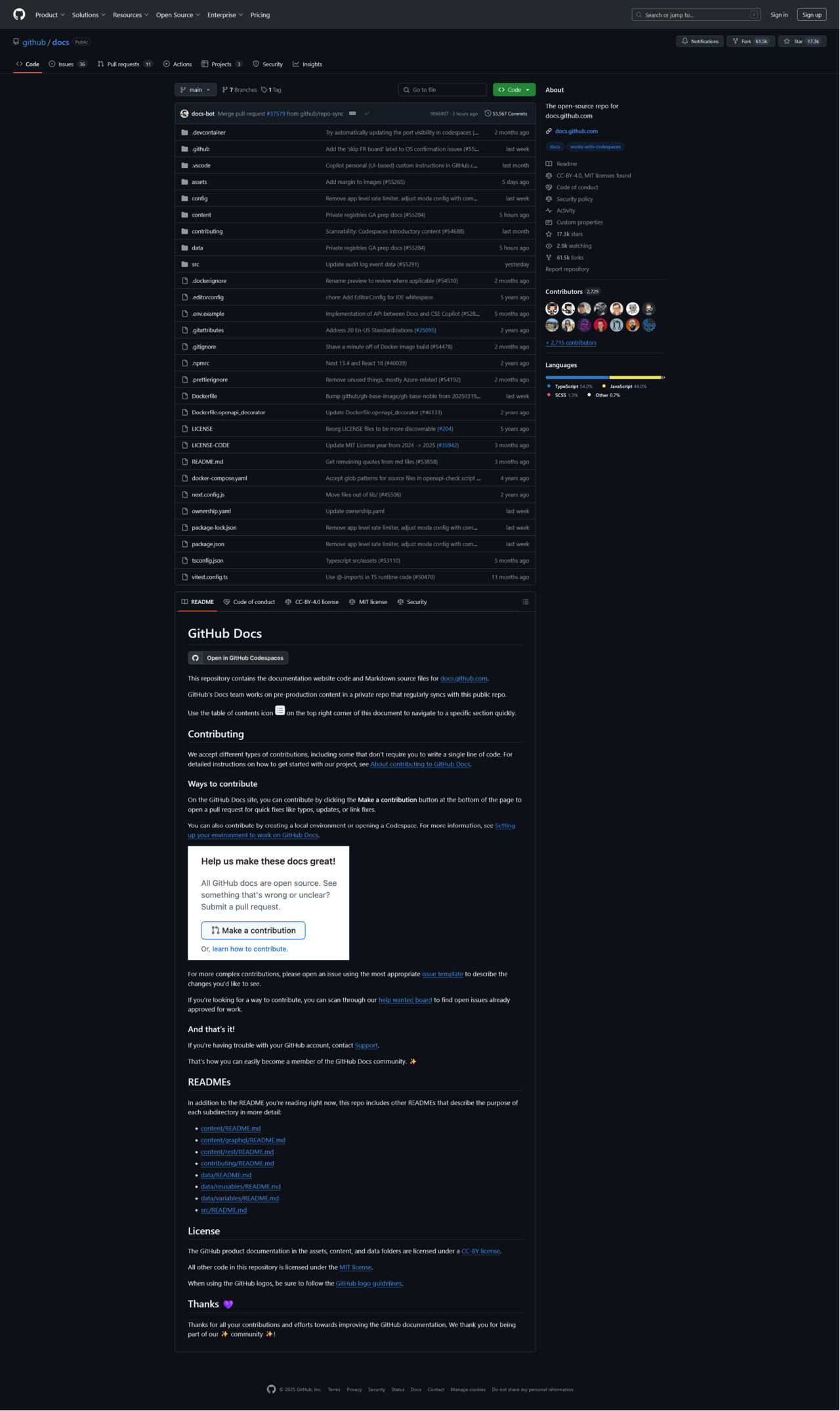
GitHub has confirmed that an attack on an employee's system, leveraging a trojanized VS Code extension, led to unauthorized access and exfiltration from its internal repositories. This incident highlights the critical and pervasive threat posed by sophisticated software supply chain compromises, even within leading technology companies. The breach underscores a growing trend where malicious actors exploit trusted developer tools to gain initial access.
Microsoft's ubiquitous Defender antivirus software is facing immediate threats, with the company confirming active exploitation of two distinct vulnerabilities in the wild. These critical security gaps could allow attackers to gain deep system control or trigger denial-of-service conditions, underscoring the constant battle against sophisticated cyber adversaries. The disclosure highlights a pressing need for organizations to ensure their endpoint protection remains robust and up-to-date against evolving threats.

The release of a proof-of-concept exploit for DirtyDecrypt, a local privilege escalation flaw in the Linux kernel, has intensified concerns across the cybersecurity landscape. This vulnerability, identified as CVE-2026-31635, capitalizes on specific memory handling oversights to bypass security controls in critical operating system components. Its public availability now elevates the urgency for system administrators to address patching.

A newly exposed ad fraud operation, dubbed Trapdoor, orchestrated a sophisticated malvertising pipeline targeting Android users, leveraging hundreds of deceptive applications. This multi-stage scheme facilitated an immense volume of illicit ad requests, generating fraudulent revenue through a complex network designed for stealth and persistence.
A series of critical vulnerabilities, collectively dubbed 'Claw Chain,' have been discovered in the OpenClaw platform, posing significant risks to system integrity and data security. These flaws could be exploited in sequence, allowing malicious actors to breach isolated environments, extract sensitive information, and establish long-term control over compromised systems. Cybersecurity researchers emphasize the sophisticated nature of these weaknesses, which leverage design oversights to achieve their objectives.

A significant software supply chain attack, identified as the "Mini Shai-Hulud" campaign, has extensively compromised numerous npm packages within the widely used @antv ecosystem. This sophisticated operation leveraged a stolen maintainer account to rapidly inject malicious code, posing a broad and immediate risk to downstream users and development environments globally.

A sophisticated supply chain attack has targeted widely used GitHub Actions workflows, leveraging a novel 'imposter commit' technique to hijack CI/CD pipelines. This compromise allowed malicious code to execute within development environments, specifically designed to harvest and exfiltrate sensitive credentials.