Cybersecurity
539 articles · Coverage updated continuously

A recent report outlines the potential for the United States military to establish a dedicated service branch for cyber operations as early as 2028, contingent on swift legislative or executive action this year. This move signifies a critical re-evaluation of how the nation cultivates and deploys its digital warfighting capabilities, aiming to address persistent structural and talent management challenges. The proposed force would consolidate existing expertise into a cohesive entity designed to master the complex and rapidly evolving cyber domain. This potential overhaul aligns with a broader strategic imperative to modernize national defense infrastructure, encompassing both human capital and technological innovation. It underscores a growing recognition that specialized approaches are essential to maintain a competitive edge in an era of accelerating digital threats and industrial base demands.

The Department of Defense's Chief Information Officer is advocating for a significantly more aggressive stance on foundational cybersecurity, urging both the military and its vast network of defense contractors to elevate their digital defenses. This critical pivot directly addresses the escalating threat where even a minor compromise within the defense industrial base (DIB) supply chain could directly impair critical real-time decisions made by warfighters on the front lines, creating an unacceptable vulnerability. This strategic emphasis reflects a broader recognition within national security circles that the integrity of the technological supply chain is paramount to operational effectiveness. As sophisticated state-sponsored adversaries relentlessly target weakest links, bolstering the DIB's foundational cyber hygiene becomes an imperative for maintaining geopolitical advantage and ensuring military readiness in an increasingly contested digital battlespace.

Artificial intelligence is fundamentally reshaping the cybersecurity landscape, enabling threat actors to launch attacks with unprecedented speed and scale, rapidly overwhelming conventional defenses. This aggressive escalation targets pre-existing vulnerabilities across legacy systems and operational networks, posing significant risks to critical data integrity and availability, particularly for defense operations. The convergence of increasingly complex digital infrastructure and sophisticated AI-driven exploits demands an urgent re-evaluation of current security postures. This dynamic shift places immense pressure on IT security professionals and military analysts to adopt a proactive, rather than reactive, approach to cyber defense. The global geopolitical climate, marked by persistent state-sponsored and criminal cyber activities, amplifies the imperative for resilient architectures and innovative countermeasures against adversaries empowered by advanced AI capabilities.

Artificial intelligence capabilities are significantly lowering the barrier for identifying exploitable weaknesses within the U.S. Army's modernized unified network. This development creates an unprecedented challenge for defense cybersecurity, demanding rapid adaptation from military IT leadership and operational units. The Army's strategic consolidation of enterprise and tactical networks into a single architecture, a modernization effort initiated in 2021, now faces heightened exposure due to these advanced adversarial tools. This situation underscores a critical inflection point in military cybersecurity, where emerging AI technologies empower threat actors with enhanced reconnaissance and exploitation capabilities. It highlights the escalating cyber arms race impacting global defense postures and the urgent need for proactive defensive innovation.
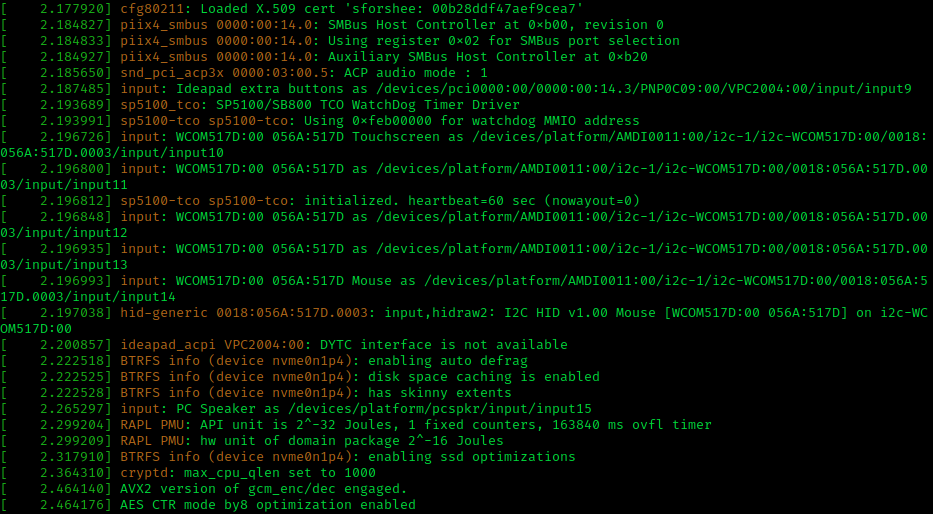
A critical vulnerability, active for nearly two decades within the Linux kernel, recently came to light, enabling low-privileged users to achieve root-level access across numerous distributions. Dubbed "CIFSwitch," this flaw exploits weaknesses in the Common Internet File System (CIFS) subsystem and its associated userspace helper, which are integral for handling network shared folders and authentication processes. The discovery underscores the deep-seated risks that can persist in foundational software components. This revelation highlights a recurring challenge in digital infrastructure: the potential for long-dormant security defects to undermine systems thought to be mature and stable. It serves as a stark reminder for the cybersecurity community about the persistent need for meticulous code scrutiny and robust defensive postures, even in widely deployed open-source projects.

Microsoft has rolled out a crucial fix addressing significant installation failures for a recent Windows 11 security update (KB5089549), which had prevented many systems from applying vital defenses. The core problem stemmed from insufficient free space within the EFI System Partition (ESP), a critical boot component, leading to automatic update rollbacks and exposing devices to known vulnerabilities. This technical impediment directly impacted organizations' ability to maintain a robust security posture, creating an unnecessary window of exposure. This incident underscores the inherent complexities and potential vulnerabilities in large-scale patch deployment, even for foundational operating system updates. Such technical snags can have profound operational security ramifications, particularly for military, government, and critical infrastructure entities that rely on consistent and timely application of security patches to ward off state-sponsored threats and sophisticated cyber adversaries.

A sophisticated supply chain campaign has compromised authentication tokens belonging to developers leveraging OpenAI Codex, exploiting a widely adopted npm package and associated mobile applications. This operation effectively transformed a seemingly benign development tool into a persistent credential exfiltration mechanism, granting attackers silent, indefinite access to user accounts. The nature of the stolen tokens, particularly the refresh tokens, elevates this incident beyond typical data breaches, offering long-term strategic compromise potential. This incident underscores the critical and evolving threats within the software supply chain, where trust in open-source components is weaponized against end-users. It reflects a growing trend of threat actors patiently building legitimate reputations before injecting malicious payloads, challenging conventional security paradigms and demanding advanced vigilance from the cybersecurity community.

Google has deployed a substantial security update for Chrome 148, addressing a considerable volume of vulnerabilities, including numerous critical-severity flaws. This significant patch cycle underscores the persistent threat landscape targeting widely adopted applications, directly impacting enterprise and governmental digital perimeters. Defenders must recognize the immediate need to update, mitigating severe risks such as remote code execution and sandbox escapes. This continuous stream of browser vulnerabilities highlights the ongoing arms race in software security, where sophisticated attack vectors constantly emerge against ubiquitous platforms. The update reflects a broader technological trend towards increasingly complex software architectures, necessitating vigilant and proactive security measures across all sectors.

California's Attorney General has initiated legal proceedings against 23andMe, now known as Chrome Holding Co., asserting the genetic testing firm failed to adequately safeguard highly sensitive user information in a 2023 cyber incident. This action follows a breach that compromised genetic and personal data belonging to approximately seven million individuals across the nation. The incident reportedly leveraged credential stuffing tactics, capitalizing on inadequate security measures and widespread user password reuse. This lawsuit underscores the escalating regulatory scrutiny on companies entrusted with unique and irreversible personal identifiers, such as genetic profiles, within a global landscape of persistent and sophisticated cyber threats. It highlights the critical need for proactive data protection strategies and robust incident response frameworks in an era where data monetization on illicit markets poses significant risks.

A critical zero-day vulnerability has been discovered in Gogs, a widely adopted open-source self-hosted Git service, exposing servers to remote code execution (RCE). This high-severity flaw, rated 9.4 on the CVSS scale, enables authenticated attackers to compromise server integrity through maliciously crafted pull requests. The issue primarily affects instances running default configurations across Windows, Linux, and macOS platforms. This incident underscores the pervasive risks within the software supply chain, particularly concerning the security posture of developer tools and open-source projects relied upon for critical infrastructure. The ease of exploitation highlights a recurring challenge in managing security for distributed development environments.

French cybersecurity innovator MokN has successfully closed a Series A funding round, raising $15 million to advance its distinctive "phish-back" platform designed for preemptive identity protection. This significant investment, bringing total capital to $18 million, underscores growing confidence in novel approaches to combating the persistent threat of compromised credentials across enterprise networks. Their solution involves strategically deploying deceptive access points to lure threat actors and identify stolen login details before exploitation. This development emerges amid a critical period for digital security, where sophisticated adversaries increasingly target user identities as a primary vector for network intrusion and data exfiltration. The strategic environment demands a shift from purely reactive incident response to more proactive and deceptive defense mechanisms that can neutralize threats at their earliest stages, fundamentally altering the attacker-defender dynamic.

The notorious ShinyHunters cyber extortion collective has made public a substantial cache of data purportedly stolen from Charter Communications, a major U.S. telecommunications provider. This incident signals a failure in ransom negotiations and exposes nearly five million unique customer records, underscoring the persistent threat posed by financially motivated groups leveraging sophisticated initial access methods. The group is recognized for employing voice phishing tactics to breach networks and rapidly exfiltrate sensitive information for extortion purposes. This breach of a critical infrastructure entity highlights the escalating challenge of data integrity and privacy within essential service sectors, where comprehensive customer profiles are a prime target. The repeated targeting of large enterprises by such groups contributes to a volatile strategic environment, compelling organizations to reassess their defense strategies against adaptable adversaries.