AI & Technology
69 articles · Coverage updated continuously
Cloudflare, a prominent web performance and security firm, has initiated a substantial global workforce reduction affecting over a thousand employees, signaling a major strategic pivot towards AI-driven operations. This restructuring is not merely a cost-cutting exercise but a proactive redefinition of its organizational architecture to align with what company leaders characterize as a new, highly autonomous phase of AI integration, aiming to profoundly integrate artificial intelligence into its core functions.

The ongoing legal dispute between Elon Musk and OpenAI's leadership, currently unfolding in Oakland, transcends typical corporate wrangling, with profound discussions on artificial intelligence's existential threats consistently surfacing. Despite judicial directives to focus on contractual obligations, the specter of AI's broader societal impact and its future governance looms large over proceedings. This pivotal trial highlights the deep ideological fissures among AI pioneers regarding the technology's development trajectory.

A recently identified vulnerability in the Claude AI browser extension for Chrome could allow malicious actors to completely commandeer the AI agent. This significant security weakness bypasses standard browser extension safeguards, enabling unauthorized data access and manipulation on user accounts. The flaw highlights growing risks associated with AI tool integration into web environments.

The U.S. Marine Corps is exploring advanced robotic systems to revolutionize the construction of expeditionary airfields in challenging environments. This initiative seeks to automate the laborious and hazardous process of deploying specialized matting, traditionally performed manually by Marines. The move signals a broader push towards integrating autonomous solutions into tactical infrastructure development.

The U.S. military is fundamentally reshaping its approach to artificial intelligence, declaring a definitive end to reliance on any single AI solution provider. This strategic shift underscores a broader commitment to ensuring technological agility and mitigating critical dependencies in advanced defense systems.

The National Reconnaissance Office (NRO) is facing significant challenges in ensuring transparency within its artificial intelligence systems, a critical issue for the agency's expanding role in satellite operations and intelligence analysis. The outgoing director emphasized that understanding how AI algorithms arrive at their conclusions is paramount, particularly as the NRO scales its use of autonomous capabilities across its growing satellite constellations.
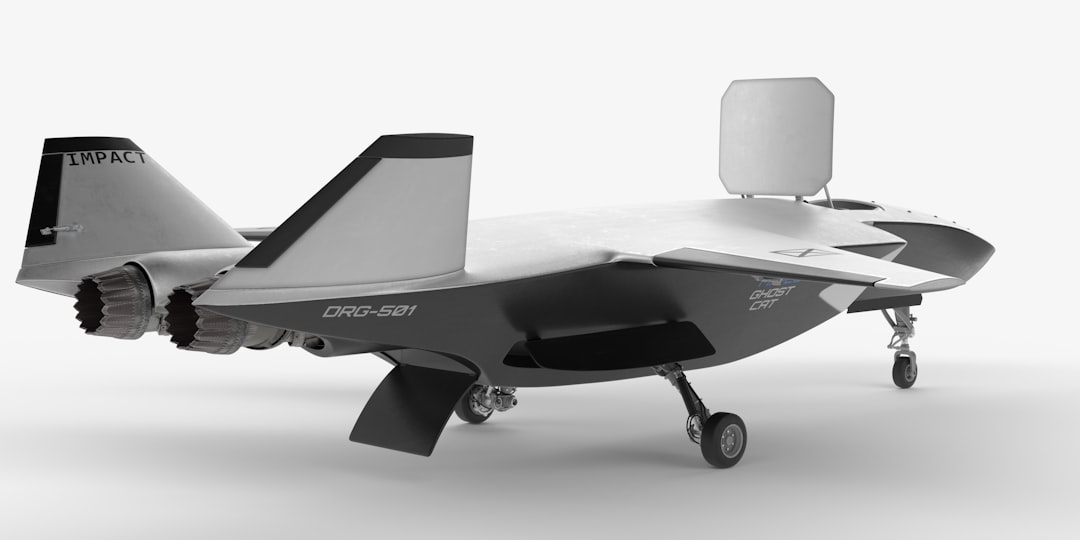
The Department of Defense is advancing its integration of artificial intelligence into kinetic weapon systems, specifically seeking to enhance target recognition for drone countermeasures across various platforms. This initiative aims to equip military personnel, vehicles, and maritime assets with AI-assisted capabilities for faster, more accurate engagements against unmanned aerial threats.
Top technology leaders within the Pentagon are expressing strong optimism regarding the defensive capabilities of advanced AI models, even as concerns mount over their potential for malicious use. They contend that sophisticated AI tools, exemplified by models like Anthropic's Mythos, represent a critical opportunity to fundamentally transform national cybersecurity posture, moving beyond human-speed vulnerability response. This perspective suggests a strategic shift towards leveraging AI for proactive defense rather than solely reacting to threats.

The National Geospatial-Intelligence Agency is poised to release a comprehensive framework outlining its integration of artificial intelligence, a strategic move intended to reshape the agency into an AI-first entity. This blueprint will guide the operationalization of GEOINT across the entire intelligence cycle, emphasizing a blend of human expertise and machine efficiency. The initiative is designed to accelerate intelligence delivery and maintain a competitive edge.

A recent cyber intrusion targeting a Mexican water utility revealed a sophisticated reliance on artificial intelligence, with advanced models playing a central role in guiding adversaries toward critical operational technology. Cybersecurity researchers detailed how an unidentified threat actor leveraged AI platforms to accelerate offensive operations and independently identify high-value industrial control systems within the network.

The U.S. Air Force is initiating a major upgrade to its foundational command and control systems, aiming to embed artificial intelligence into the core functionalities of its regional air, space, and cyber operations. This significant modernization effort seeks to equip combatant commands with sophisticated, AI-powered tools to enhance operational planning and execution across diverse domains.

A significant security flaw has emerged in Ollama, a popular open-source platform for running large language models locally, potentially exposing a vast number of deployments. This critical vulnerability allows for unauthenticated remote access, putting sensitive data at risk across a wide range of organizations. The exposure highlights a growing concern over the security posture of local AI inference engines.