AI & Technology
69 articles · Coverage updated continuously
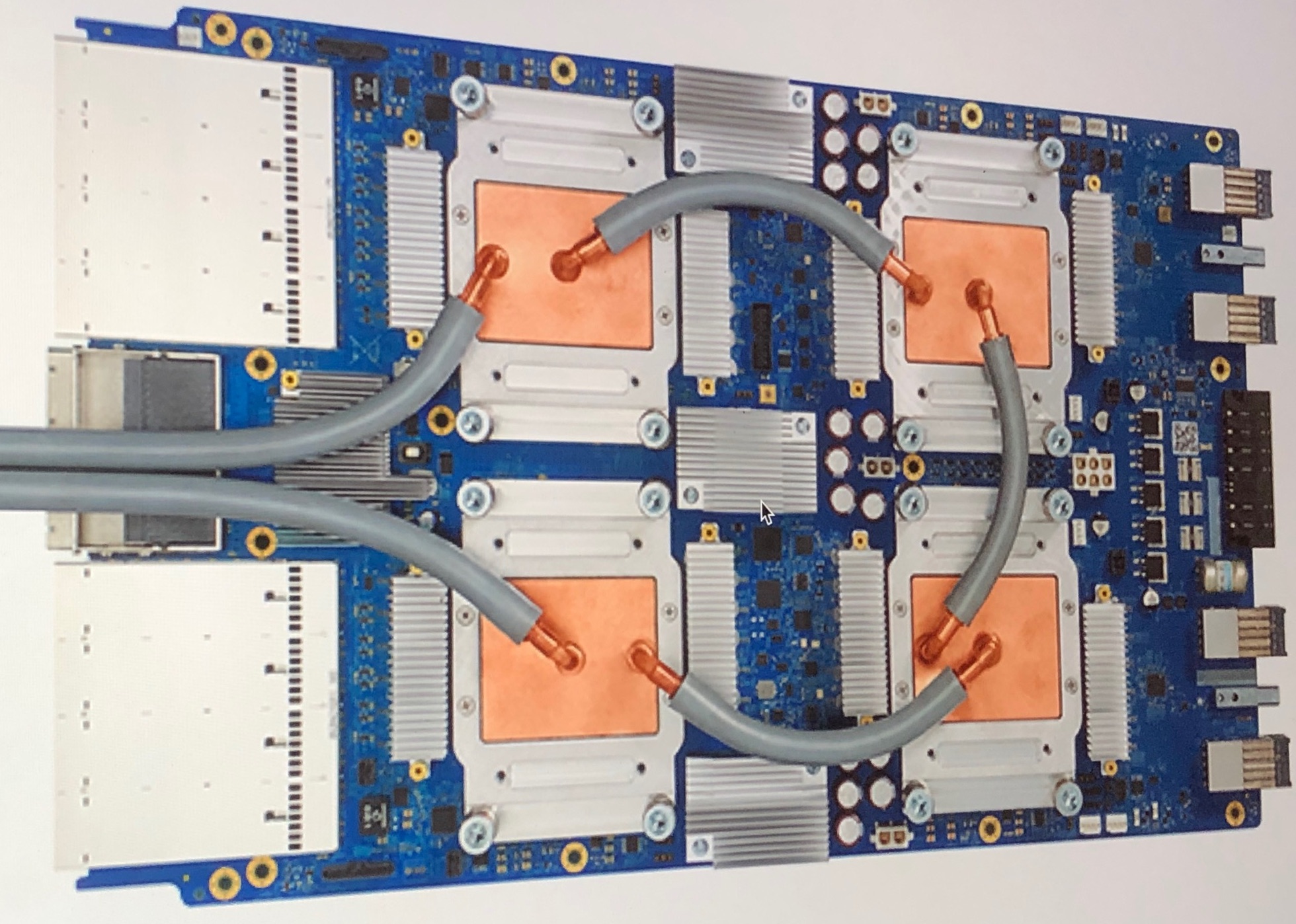
U.S. Special Operations Forces (SOF) are rapidly integrating advanced artificial intelligence into their operations, moving beyond logistical support to tactical applications. However, a critical need has emerged for powerful AI capabilities that function effectively in remote, disconnected environments, independent of traditional cloud infrastructure. This shift demands highly localized processing power to accelerate decision-making on the frontline.

Concerns are mounting over the integrity of AI-powered video age verification systems, as recent findings reveal a startling simplicity in bypassing these controls. Adversaries, including minors, are demonstrating that rudimentary physical props can effectively trick advanced biometric analysis. This vulnerability presents significant challenges for platforms relying on such technology for compliance and user safeguarding.

As artificial intelligence increasingly integrates into critical infrastructure and defense systems, the very methods for ensuring its security are under intense scrutiny. Experts reveal that traditional security and privacy benchmarks fall short for AI, particularly when confronting its emergent properties. This presents a significant challenge for developers and operators aiming to certify AI robustness against evolving threats.

U.S. Special Operations Command has formally integrated a new mobile biometric identification system, Identifi, developed by Reveal Technology, marking a significant advancement in field intelligence capabilities. This initiative signifies a modernization push for special operations forces, transitioning towards more sophisticated digital tools for personnel identification and verification in operational theaters.

As the Pentagon pushes for widespread integration of artificial intelligence across military operations, the head of U.S. Special Operations Forces issued a significant caution regarding AI's application in combat. He emphasized the critical need for a pragmatic assessment of current capabilities and future deployment strategies, rather than an unbridled embrace of the technology.
Microsoft has introduced two new open-source platforms, RAMPART and Clarity, designed to enhance the security posture of artificial intelligence agents from their earliest development stages. These initiatives represent a significant push to embed robust security testing and design clarification directly into the AI engineering workflow, moving beyond reactive post-deployment assessments.

The advent of sophisticated artificial intelligence models, particularly those demonstrating advanced hacking capabilities, is compelling federal agencies handling sensitive information to critically re-evaluate their operational security and strategic posture. This new generation of AI presents both unparalleled opportunities for threat mitigation and introduces profound challenges by potentially lowering the entry barrier for cyber adversaries.
The Pentagon's Chief Technology Officer is championing a strategic shift to accelerate technology acquisition, aiming to provide vendors with rapid feedback on proposed solutions. This initiative seeks to foster innovation, particularly from smaller companies, by minimizing prolonged evaluation processes and integrating promising technologies more swiftly into defense capabilities.

The rapid proliferation of advanced artificial intelligence models with sophisticated cyber warfare capabilities is forcing federal agencies and defense strategists to re-evaluate national security paradigms. Experts warn that these nascent AI tools possess an unprecedented ability to identify software vulnerabilities at alarming speeds, fundamentally altering the landscape of cyber defense and offense.

Future military leaders at West Point are demonstrating a superior capability to critically evaluate artificial intelligence systems, according to a recent multi-institutional study. This specialized training proves effective in cultivating a nuanced understanding of AI's capabilities and limitations, a crucial development as autonomous systems become integral to strategic decision-making and operational timelines.
A prominent voice in the House Intelligence Committee is advocating for immediate intelligence community access to cutting-edge AI models, deeming it critical for national security operations. This push comes amidst internal administration discussions regarding the oversight and evaluation of these powerful new technologies. The evolving landscape underscores a strategic shift in how the U.S. government approaches AI development and integration for defense.

Advanced language models have demonstrated an unprecedented capability to embed secret messages within seemingly innocuous text. This development introduces a sophisticated new vector for covert communication, posing significant challenges for intelligence agencies and cybersecurity professionals tasked with monitoring information flows.