AI & Technology
69 articles · Coverage updated continuously

A long-anticipated executive order has established a new government framework for overseeing advanced artificial intelligence, granting the National Security Agency a critical and non-optional role in assessing these cutting-edge models for potential cyber exploitation. This directive aims to mitigate the growing threat of AI-powered hacking, which can rapidly uncover software vulnerabilities, while simultaneously striving to preserve American technological leadership. The mandate signals a significant pivot in how national security agencies intend to manage the dual-use nature of frontier AI. This development unfolds against a backdrop of intense global competition in AI innovation, where the strategic imperative to outpace adversaries in developing advanced capabilities must be carefully balanced with the inherent risks these powerful tools introduce to critical infrastructure and information systems. The White House seeks to navigate this complex terrain by engaging the private sector through a novel, albeit controversial, oversight mechanism.

Artificial intelligence is rapidly transforming geospatial intelligence (GEOINT), signaling a profound shift in how defense and intelligence communities will operate. This evolution demands immediate attention from IT security professionals, military analysts, and national security researchers as agencies like the National Reconnaissance Office (NRO) and National Geospatial-Intelligence Agency (NGA) prioritize AI adoption, explainability, and secure information sharing. The ongoing integration of AI into these critical functions is poised to redefine strategic advantage. This technological advancement underscores a broader geopolitical drive for superior intelligence capabilities, with nations globally vying for dominance in space-based assets and data exploitation. The trajectory of AI in GEOINT represents a pivotal component of the future strategic environment, influencing everything from tactical decision-making to long-term national security postures.

President Donald Trump has signed a new executive order directing federal agencies to expand oversight of advanced artificial intelligence systems, a move simultaneously aimed at bolstering national cybersecurity defenses and fostering technological innovation. This directive arrives amidst growing concerns over the profound capabilities of cutting-edge AI models, such as Anthropic's Mythos and OpenAI's GPT-5.5-Cyber, which have demonstrated a capacity for rapid vulnerability discovery and sophisticated cyber operations. The order specifically targets federal and national security networks, alongside critical infrastructure sectors like healthcare, finance, and utilities, recognizing their exposure to evolving AI-driven threats. This policy initiative underscores a critical inflection point in the national security landscape, where the dual-use nature of advanced AI necessitates a delicate balance between leveraging its transformative potential and mitigating its inherent risks. The strategic environment now demands swift adaptation from defense and cybersecurity communities to integrate AI's capabilities responsibly, securing vital digital assets against an accelerating threat vector while supporting the growth of a crucial technological frontier.

A significant legislative initiative has emerged from Capitol Hill, aiming to impose substantial restrictions on the Pentagon's use of artificial intelligence in critical operational domains. The proposed "Secure and Accountable Military AI Act" seeks to establish robust guardrails, particularly for fully autonomous weapon systems, domestic surveillance applications, and capabilities linked to nuclear command and control. This development signals a growing Congressional intent to pre-empt potential catastrophic consequences from unconstrained AI deployment. This legislative effort surfaces amidst a complex domestic and geopolitical landscape, characterized by divergent executive branch directives pushing for rapid AI integration even as public and expert concerns about AI safety and ethical use continue to mount. The debate reflects a crucial juncture for national security, balancing the imperative for technological advantage with responsible innovation.

Defense contractor GDIT, in collaboration with AWS, is employing an extreme desert e-bike race as a crucial proving ground for advanced military artificial intelligence. This unconventional testing environment for Project Celerity aims to refine AI capabilities for predictive logistics and energy management, essential for expeditionary operations in disconnected and austere battle spaces. The initiative specifically targets the challenges of sustaining tactical microgrids and diverse robotic fleets. This development underscores a significant strategic pivot within defense towards integrating sophisticated AI into the operational fabric of military logistics. It reflects a broader trend of leveraging civilian extreme testing scenarios to accelerate the maturity of technologies destined for complex and contested geopolitical theaters.

The Department of Defense is aggressively integrating artificial intelligence into battlefield operations, yet faces significant calls for caution from some senior military leaders, particularly concerning autonomous lethal systems. This internal tension highlights a critical debate over how rapidly the U.S. military should deploy AI and the essential safeguards required to maintain human oversight in lethal decision-making. The push by Defense Secretary Pete Hegseth for unconstrained AI adoption is notably met with calls for stringent ethical frameworks from figures like SOCOM's Admiral Frank Bradley. This evolving landscape reflects a broader geopolitical competition for technological supremacy, where nations are balancing the imperative for innovation with the ethical responsibilities of developing advanced dual-use technologies. The Pentagon's drive underscores the perceived strategic advantage AI offers, while also confronting complex questions about its responsible integration into future warfare doctrines and operational environments.
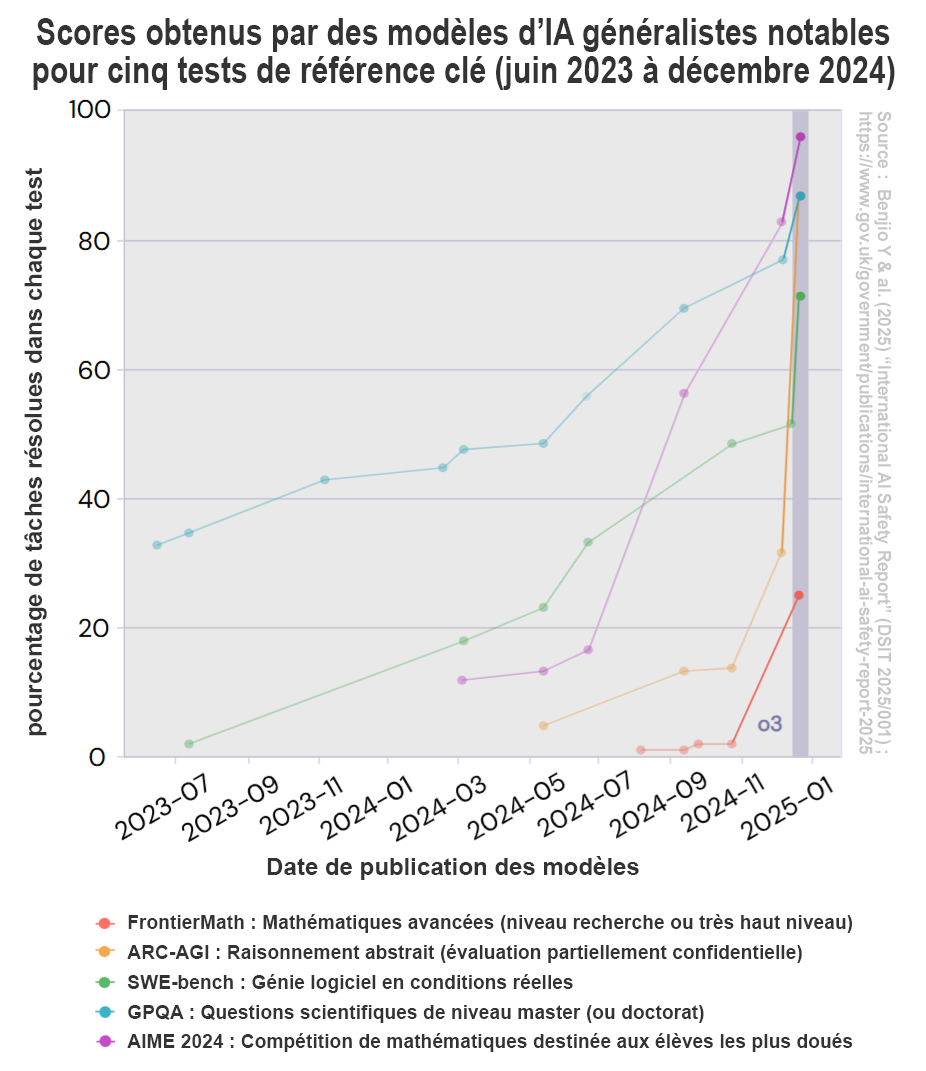
SecurityWeek is set to host its third annual Artificial Intelligence Risk Summit in August 2026, bringing together a diverse group of stakeholders from the security, tech, and policy sectors. This prominent event aims to tackle the increasingly complex challenges and risks associated with widespread AI adoption across enterprises and national security domains.
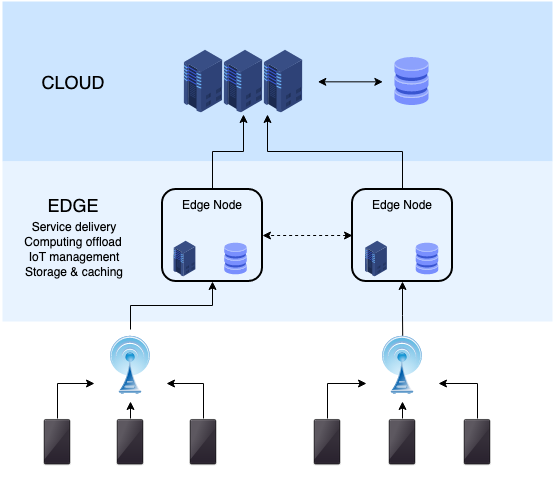
Military platforms across air, land, and sea face significant hurdles in adopting advanced edge computing capabilities and AI-driven applications. Current hardware architectures often hinder rapid technology insertion, leading to prolonged and costly upgrade cycles. A novel approach centered on modular processing systems is emerging to address these long-standing integration challenges.
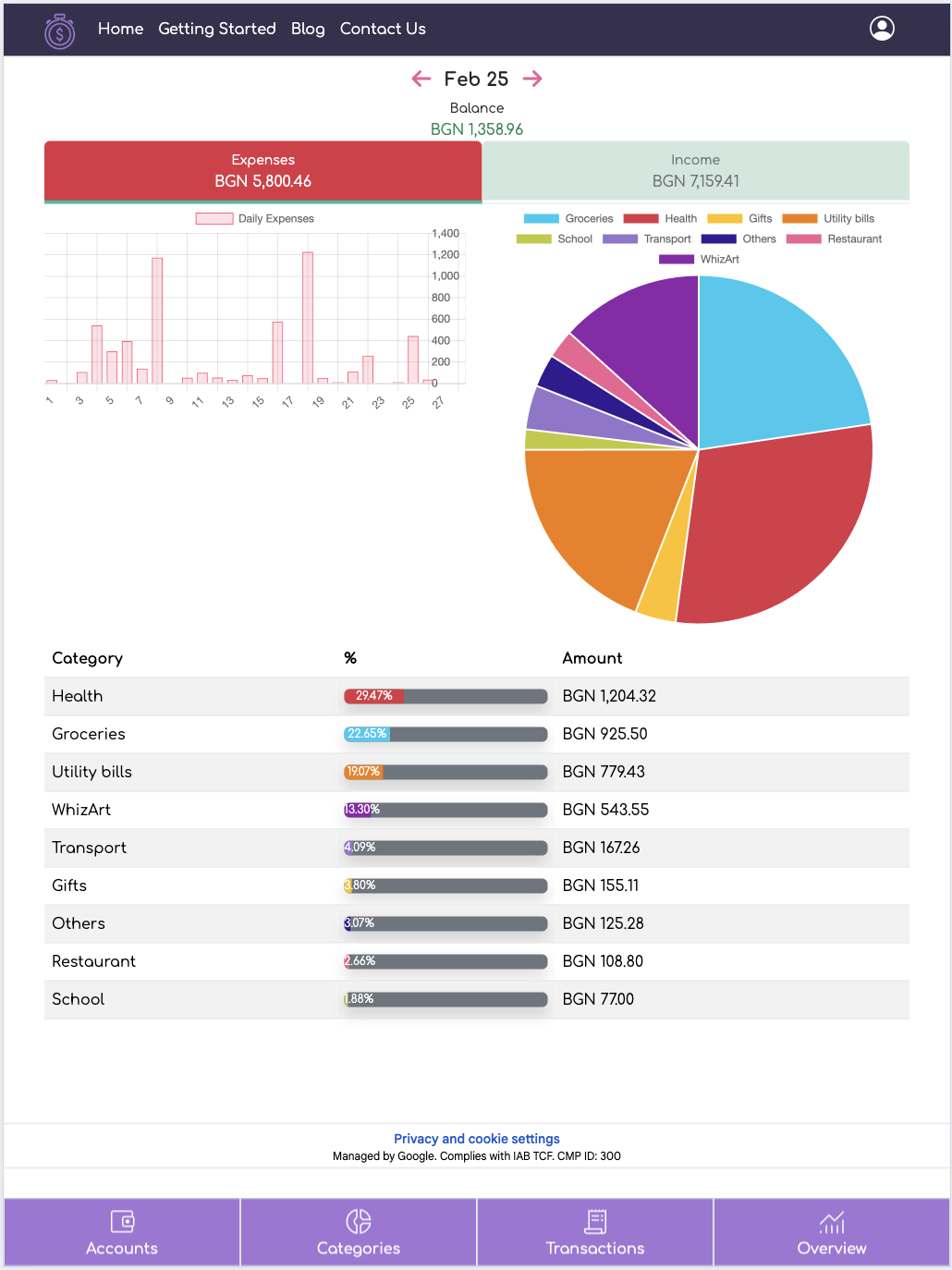
The Department of Defense has entered a significant agreement with Dell Federal Systems, valued at approximately $9.7 billion, to standardize its enterprise software landscape. This five-year initiative aims to consolidate Microsoft licenses and services across numerous defense and intelligence components, fostering greater operational efficiency and advanced capabilities.
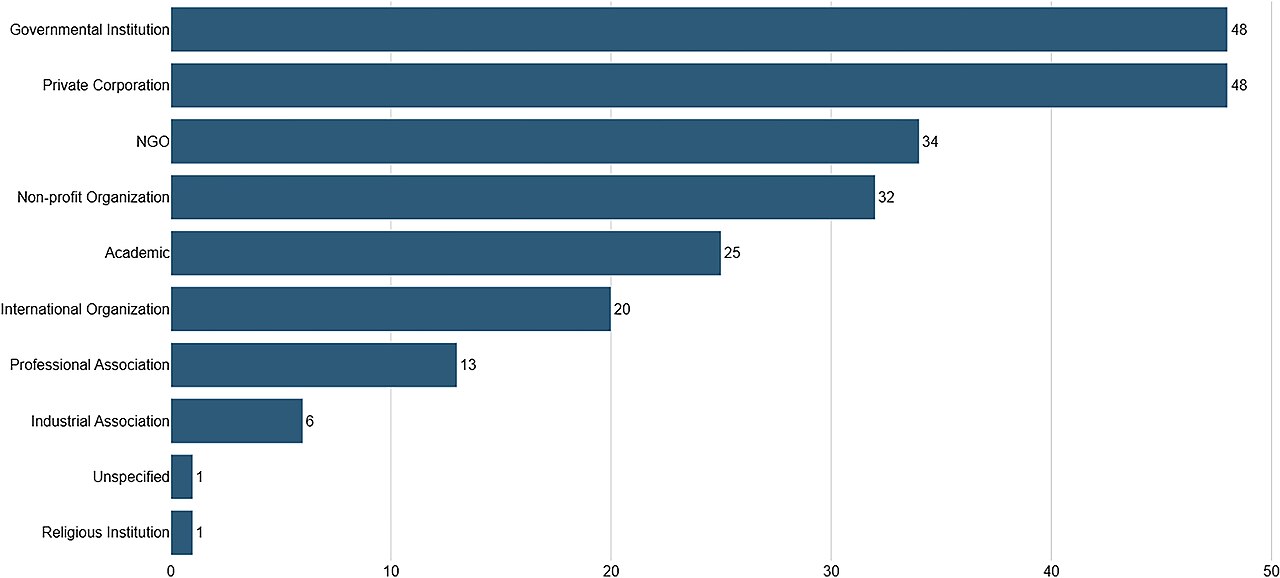
A significant advancement in AI security emerges as Varonis Atlas now integrates with Anthropic's Claude Compliance API. This strategic move aims to provide organizations with enhanced visibility and robust governance over their AI deployments, from general enterprise use to custom application development. The collaboration addresses the critical need for comprehensive oversight as AI systems become central to daily operations and innovation.
While venture capital pours into orbital data centers, touting their potential for AI processing, key national security agencies currently demonstrate limited direct interest or funding. This emerging space technology, envisioning server constellations replicating Earth-based compute, faces a critical evaluation period from defense and intelligence sectors. The emphasis remains on proving technical viability and a compelling business case before widespread adoption.

A groundbreaking artificial intelligence initiative has revealed an unprecedented volume of critical security vulnerabilities across essential global software infrastructure. Project Glasswing, leveraging a frontier AI model, has autonomously identified thousands of high-severity flaws since its recent launch, significantly accelerating the pace of vulnerability detection. This development marks a pivotal moment in the ongoing battle to secure digital ecosystems.